District of Columbia
Why Lawmakers Across the Country Support a Cryptocurrency Kiosk Ban
States and cities across the country are cracking down on cryptocurrency kiosks as financial scams involving the ATM-like machines continue to mount, costing Americans nearly $389 million last year alone. Four states — Indiana, Minnesota, Tennessee and Vermont — enacted…


Last updated:
Key points
- Four states enacted statewide bans on cryptocurrency kiosks in 2026 as national consumer fraud losses reached $389 million.
- Older Americans were hit hardest by kiosk fraud, accounting for over $302 million in stolen funds reported to the FBI.
- State prosecutors and local cities are eliminating the machines, while industry operators push for regulation instead of total prohibitions.
NewsWK — State lawmakers and city councils across the United States are taking aggressive action against standalone digital currency machines. This crackdown comes after financial fraud linked to cash-to-crypto transactions skyrocketed nationwide.
What does a cryptocurrency kiosk ban mean for local communities?
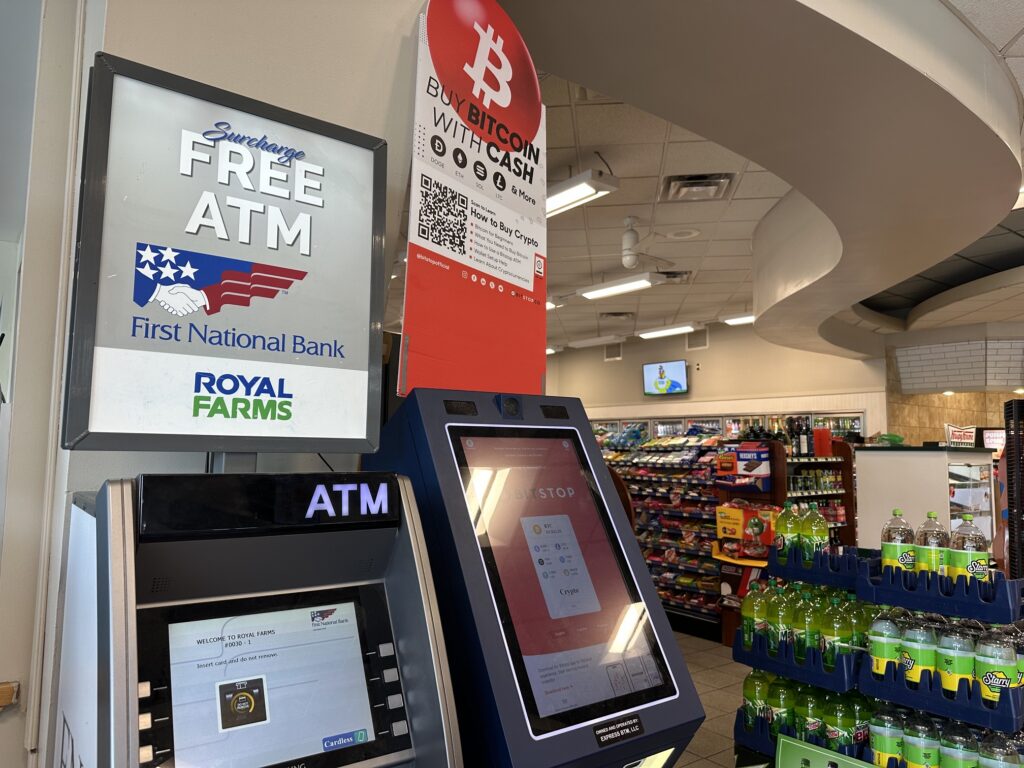
A cryptocurrency kiosk ban removes cash-to-digital currency converter machines from neighborhood gas stations, convenience stores, and grocery outlets. Local leaders aim to stop immediate financial theft from vulnerable residents. Phone scammers often instruct these victims to deposit cash. Police departments across many towns report a growing burden of fraud investigations. Authorities link these cases directly to these store locations.
In Jackson, Michigan, city leaders enacted a complete prohibition on the machines. Local officials ordered operators to remove every device by January. Similarly, the city of Star, Idaho, passed a ban requiring kiosks to shut down. Furthermore, at least 20 municipalities in Massachusetts restricted or outlawed the hardware.
These localized decisions reflect growing alarm over how rapidly criminals exploit unattended hardware. First, scammers coerce victims into placing physical bills into a kiosk. Next, the machine converts cash into digital tokens. The funds then move immediately into overseas digital wallets. Because transactions on public ledgers process instantly without bank oversight, local police face immense hurdles recovering stolen assets.
Why are states enacting state crypto kiosk bans across the nation?
States are adopting state crypto kiosk bans because reported fraud losses jumped significantly. Meanwhile, recovering stolen funds remains nearly impossible. FBI statistics show Americans lost almost $389 million through kiosk schemes in a single year.
Indiana became the first state to pass a complete ban in March. Subsequently, Tennessee and Vermont followed with statewide bans in July, while Minnesota enacted its prohibition in August. Meanwhile, Hawaii took a targeted approach. The state banned cash deposits into kiosks for digital currency purchases.
In total, at least 35 state legislatures have addressed kiosk rules since 2023. Additionally, state attorneys general have launched aggressive legal action. For instance, state prosecutors in Iowa, Massachusetts, and the District of Columbia sued major kiosk operators. They alleged systemic exploitation of consumers.
An extensive three-year investigation by the Iowa Attorney General revealed alarming findings. Specifically, officials discovered that 98 percent of transactions at Bitcoin Depot kiosks in Iowa connected to fraudulent schemes. Furthermore, the investigation found a 94 percent scam rate at CoinFlip kiosks. Facing heavy regulation and litigation, Bitcoin Depot filed for bankruptcy protection. The company also suspended its physical machine network.
How do scammers exploit crypto ATM scams to target seniors and youth?
Scammers exploit crypto ATM scams by impersonating government officials, police, or bank representatives over the phone to panic victims. Next, criminals guide victims to local convenience stores to deposit cash using provided scanning codes. Older Americans suffer the heaviest financial losses. However, predators also use machines to extort money from teenagers.
Federal cybercrime data shows alarming trends in crypto ATM fraud across demographics. In fact, the FBI recorded 13,460 complaints involving kiosks in 2025. This figure marks a 23 percent increase from the previous year. Moreover, financial losses spiked by 58 percent during the same timeframe.
Senior citizens bear the brunt of these financial attacks. Specifically, people over the age of 50 accounted for more than half of all reported complaints. That age group suffered over $302 million in total losses last year alone.
Meanwhile, law enforcement officers warn that these machines facilitate crimes against younger residents as well. Financial crime investigators note that perpetrators of online extortion schemes frequently demand payment through kiosks. For example, criminals target teenagers with threats involving explicit images. They instruct victims to deposit cash immediately. Furthermore, federal financial authorities warned that illicit networks use unmonitored kiosks for money laundering and drug trade settlements.
What are the arguments around bitcoin kiosk regulation and outright bans?
The debate over bitcoin kiosk regulation centers on balancing consumer protection against free enterprise. Industry representatives argue that strict licensing, fraud warnings, and holding periods protect consumers without destroying legal businesses. Conversely, lawmakers argue that high fraud rates and predatory fees justify total prohibitions to protect vulnerable citizens.
Industry leaders strongly oppose absolute prohibitions. Instead, representatives from major operators argue that kiosks serve law-abiding customers who prefer cash transactions. Consequently, some companies implemented voluntary safety features. These measures include customer identity checks, transaction delay periods, and victim refund policies.
CoinFlip general counsel Larry Lipka testified against state-level prohibitions during legislative hearings. “It is inappropriate to ban a legal product because fraud is happening,” Lipka stated.
Law enforcement officials also express nuanced concerns about total bans. For instance, some financial crime detectives worry that banning physical kiosks will not eliminate crime. Instead, sophisticated actors might pivot toward unmonitored online channels. As a result, tracing funds becomes even harder.
However, state lawmakers remain focused on immediate harm reduction. During legislative debates in Indiana, lawmakers abandoned proposed licensing rules in favor of a total shutdown. Republican state Sen. Scott Baldwin defended the decisive move during committee hearings. “I can think of no legitimate reasons, no substantial legitimate reasons,” to permit the machines, Baldwin stated.
This article was produced with the assistance of AI and reviewed by our editorial team.
Sources
Related: House Resolution 1499 Clears Way for Critical Votes on Mining, Higher Education, and Maritime Rules
Related: Study Examines Women on Parole Mental Health and Reentry Crises Across the US