Health News
How to Spot the Hidden Signs of Heart Trouble Before Complications Arise
6 hidden signs of heart trouble you should never ignore, US-based cardiologist warns: One of them starts in your legs Heart doctor names early leg symptom that means your heart is in trouble High cholesterol symptoms: Six warning signs in…


Last updated:
Key points
- Cardiothoracic specialists highlight six subtle signs of vascular trouble, including lower leg hair loss, walking cramps, persistent fatigue, and non-healing foot wounds.
- Circulatory blockages in peripheral arteries often serve as early indicators of underlying heart disease and systemic arterial narrowing.
- Non-invasive diagnostic tools like the Ankle-Brachial Index (ABI) allow patients to detect peripheral artery disease early and take proactive health management steps.
NewsWK — Cardiovascular health remains a critical factor in maintaining long-term physical independence across the United States. Many Americans associate heart conditions exclusively with severe chest pain or sudden shortness of breath. However, medical specialists emphasize a different reality. Critical vascular blockages frequently present outside the chest area years before a major cardiac event occurs. Therefore, recognizing these subtle bodily signals early allows patients to take proactive control of their healthcare choices.
What Are the Primary Hidden Signs of Heart Trouble in Your Daily Life?
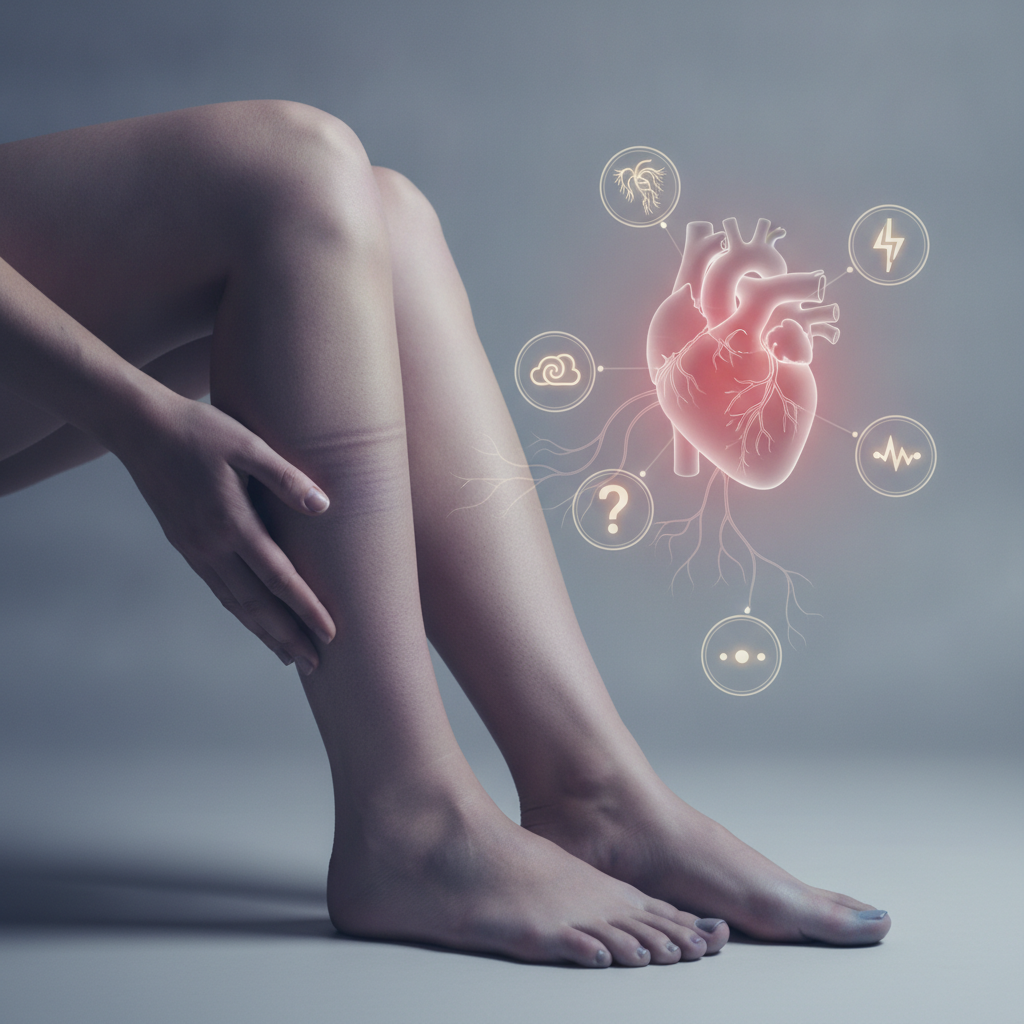
The primary hidden signs of heart trouble often involve compromised blood flow to the lower extremities. Dr. Jeremy London, a cardiothoracic surgeon, highlights six distinct warning indicators that individuals frequently overlook. Specifically, these signals include unexplained leg hair loss, ongoing erectile dysfunction, persistent ankle swelling, constant exhaustion, walking cramps, and cold or non-healing lower limbs.
Vascular system blockages restrict oxygenated blood from reaching peripheral tissues efficiently. For example, when arteries narrow, hair follicles on the shins, ankles, and toes lose essential nourishment. Consequently, sudden hair loss on the lower legs can indicate underlying arterial disease rather than simple aging.
Additionally, chronic fatigue presents another overlooked warning sign. Patients often struggle with basic daily physical tasks that used to feel effortless. Because the heart muscle struggles to pump blood effectively, the body receives reduced oxygen. As a result, patients experience deep physical exhaustion.
How Do Early Leg Symptoms of Heart Disease Signal Vascular Problems?
Early leg symptoms of heart disease serve as direct physical indicators of compromised arterial flow. When peripheral arteries develop plaque buildup, blood struggles to reach muscles during routine physical movement. Consequently, individuals experience distinct aching, sharp cramping, or heavy discomfort in their calves or thighs while walking moderate distances.
Physicians refer to this specific walking pain as intermittent claudication. However, many adults mistakenly attribute these muscular cramps to ordinary joint stiffness or general aging. Typically, the pain subsides after a brief period of sitting or resting. Still, its recurring presence strongly signals narrowing peripheral vessels.
Furthermore, poor arterial flow affects skin temperature and wound healing capability. Individuals facing restricted leg circulation frequently report cold feet or numb toes even in warm environments. Minor cuts or skin breaks on the feet may also fail to heal promptly. Ultimately, this slow recovery creates dangerous risks for severe tissue infections.
Why Are Swollen Ankles Heart Disease Warning Signs?
Persistent swelling around the lower legs, ankles, and feet frequently serves as a key warning sign of heart failure. When cardiac pumping efficiency declines, fluid gradually accumulates in peripheral tissues due to gravity and impaired venous return. Medically termed edema, this fluid retention signals that blood flow balance requires urgent clinical evaluation.
While temporary swelling can stem from kidney issues or specific medications, unexplained retention in both legs demands attention. Prompt evaluation helps doctors distinguish between localized joint inflammation and systemic circulatory failure. Therefore, recognizing swollen ankles heart disease connections early can prevent severe hospitalizations.
What Do These Cardiovascular Warnings Mean for Everyday Health Management?
Understanding peripheral symptoms empowers individuals and families to take personal responsibility for their long-term medical care. Early detection of signs of heart disease in legs allows patients to address vascular blockages before severe cardiac events occur. Moreover, early medical consultation reduces overall healthcare costs and prevents emergency medical interventions down the road.
Patients who identify these warning signs should request routine vascular assessments from their healthcare providers. Effective diagnostic evaluations include key medical checks:
- Ankle-Brachial Index (ABI) testing: A quick check compares ankle blood pressure to arm pressure to detect vessel narrowing.
- Routine blood pressure monitoring: Regular tracking catches hypertension early and protects arterial walls from chronic strain.
- Comprehensive circulation checks: Physical evaluations assess lower limb pulse strength, skin temperature, and overall tissue health.
helps tackle heart issues before things go south Meanwhile, simple non-invasive tests offer clear answers without requiring immediate invasive procedures.
What Is the Background Behind Vascular Health Screening?
Cardiovascular disease remains a leading health challenge across the nation, often operating silently for decades. Major medical organizations, including the American College of Cardiology, emphasize this arterial connection. Specifically, peripheral vascular issues often share identical root causes with coronary artery blockages.
For instance, persistent erectile dysfunction frequently precedes overt coronary symptoms by several years due to smaller vascular diameters. Historically, patients only sought medical intervention after experiencing acute chest pressure or severe distress. Today, however, modern preventive cardiology stresses early screening for peripheral arterial disease and early heart failure indicators. Paying close attention to leg symptoms, fluid retention, and systemic fatigue helps Americans safeguard their independence. In turn, patients can manage their wellness proactively.
This article was produced with the assistance of AI and reviewed by our editorial team.
Sources
Related: Hidden Signs of Heart Disease: What Experts Say About Leg Symptoms and Vascular Health
Related: Cardiologist Warns of Hidden Signs of Heart Trouble and Leg Symptoms
Related: Cardiologists Warn of 6 Hidden Signs of Heart Trouble That Signal Danger Beyond Chest Pain