Health News
Hidden Signs of Heart Trouble: Why Your Legs and Feet May Hold Vital Clues
6 hidden signs of heart trouble you should never ignore, US-based cardiologist warns: One of them starts in your legs Heart doctor names early leg symptom that means your heart is in trouble High cholesterol symptoms: Six warning signs in…



Last updated:
Key points
- Cardiovascular disease can show early warning signs in the legs, including hair loss, muscle cramping while walking, and cold or numb feet.
- Swollen ankles and persistent fatigue may signal fluid buildup and reduced oxygen delivery linked to heart failure.
- Doctors use simple, non-invasive tests like the ankle-brachial index to evaluate circulation and catch vascular blockages early.
NewsWK — Cardiovascular health remains a top concern for millions of Americans across the country. Most people look for sudden chest pain or acute pressure during a cardiac event. However, serious arterial blockages can develop quietly for years before severe symptoms appear. Therefore, doctors emphasize that vascular disease often shows up in surprising areas outside the chest.
What Are the Hidden Signs of Heart Trouble Beyond Chest Pain?
Hidden signs of heart trouble often appear in distant blood vessels before chest pain occurs. Arteries carry oxygen-rich blood throughout the body. When plaque restricts this flow, peripheral organs and tissues suffer early damage. Consequently, identifying these subtle markers helps individuals seek timely medical care and prevent severe complications.
Cardiothoracic surgeon Dr. Jeremy London cardiologist expertise highlights how vascular issues affect the circulatory system. Furthermore, blood vessels supply every muscle, organ, and skin layer in the human body. Therefore, arterial damage frequently creates noticeable physical changes far from the chest. Ultimately, early detection gives patients a critical window for proactive medical intervention.
What Are the Early Warning Signs of Heart Disease in Your Lower Extremities?
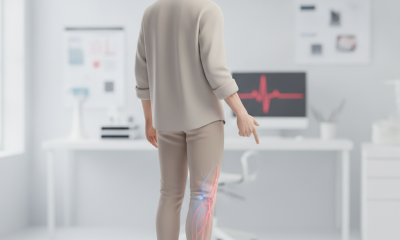
Early warning signs of heart disease frequently involve poor circulation in the feet and legs. Specifically, restricted blood flow starves leg muscles and skin of vital oxygen. This restriction leads to pain, hair loss, and cold skin. Thus, recognizing these signs helps patients identify vascular blockages before a cardiac event occurs.
Why Are Leg Symptoms of Heart Disease Easy to Ignore?
Leg symptoms of heart disease often mimic routine fatigue, natural aging, or mild muscle strain. Consequently, many adults dismiss walking leg cramps or slow-healing foot sores as minor issues. However, these symptoms frequently point to peripheral artery disease. This condition directly mirrors dangerous blockages inside the coronary arteries.
For example, physicians point to several lower-limb warning signs that indicate reduced arterial blood flow:
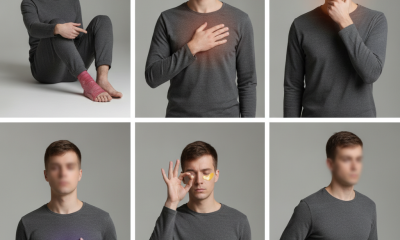
- Shin and toe hair loss: Bald patches develop on the shins, ankles, or toes due to diminished follicle nourishment.
- Intermittent leg pain: Muscle cramping or aching in calves occurs while walking. It quickly resolves during short rest breaks.
- Cold or numb extremities: Patients notice cold feet, numb toes, or persistent skin sores. These sores refuse to heal normally over time.
Additionally, reduced blood circulation deprives skin cells of vital nutrients needed for normal tissue repair. Consequently, small scrapes or cuts on feet can turn into stubborn, non-healing ulcers.
How Do Swollen Ankles Heart Symptoms Point to Fluid Retention?
Swollen ankles heart symptoms usually indicate that the heart muscle cannot pump blood efficiently. When cardiac pumping action weakens, fluid accumulates in lower body tissues due to gravity. As a result, this pooling creates persistent swelling in the ankles, feet, and legs. Ultimately, this swelling signals potential underlying heart failure.
However, lower-extremity swelling can also stem from kidney trouble, blood clots, or specific prescription medications. Therefore, patients should not attempt to self-diagnose complex circulatory issues. Still, unexplained fluid retention requires prompt professional evaluation to determine the true underlying cause.
What Other Body Changes Signal Cardiovascular Risk?
Cardiovascular risk extends beyond leg symptoms to affect overall energy levels and vascular performance. For instance, persistent exhaustion and chronic erectile dysfunction frequently signal impaired arterial lining function. Therefore, addressing these warnings early helps prevent severe heart attacks and strokes.
Specifically, unyielding fatigue that persists after rest often stems from compromised oxygen delivery. As a result, simple daily tasks like climbing stairs or carrying groceries become unusually difficult. Meanwhile, recurring erectile dysfunction often indicates early damage to delicate blood vessel linings. damaged vessel linings affect blood flow
How Can Patients Get Evaluated for Poor Blood Flow?
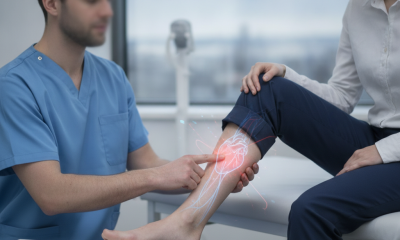
Patients can get evaluated for poor blood flow through quick, non-invasive vascular tests at clinics. During visits, doctors perform targeted physical exams and measure circulation levels to detect arterial blockages. Consequently, early testing provides clear baseline data to protect long-term heart health.
First, healthcare providers inspect skin integrity, check peripheral pulses, and record blood pressure. Additionally, clinicians frequently use an ankle-brachial index test. This exam compares blood pressure readings in the arms against those in the ankles. Overall, this simple test pinpoints peripheral artery disease quickly and accurately.
Furthermore, medical experts emphasize that isolated symptoms do not offer definitive proof of heart disease. Nevertheless, persistent or unexplained physical signs warrant a thorough medical evaluation. Ultimately, taking proactive steps today protects overall vascular health for years to come.
This article was produced with the assistance of AI and reviewed by our editorial team.
Sources
Related: Cardiologist Warns of Hidden Signs of Heart Trouble and Leg Symptoms
Related: Hidden Signs of Heart Disease: What Experts Say About Leg Symptoms and Vascular Health
Related: Cardiologist Warns of Hidden Signs of Heart Disease Appearing in Lower Body