Health News
6 Hidden Signs of Heart Disease You Should Never Ignore
6 hidden signs of heart trouble you should never ignore, US-based cardiologist warns: One of them starts in your legs Heart doctor names early leg symptom that means your heart is in trouble High cholesterol symptoms: Six warning signs in…


Last updated:
Key points
- Cardiovascular warnings often show up far from the chest, including leg hair loss, swollen ankles, and persistent fatigue.
- Peripheral artery disease and vessel lining issues can cause leg pain during walking and early reproductive system warnings.
- Early screening through primary care doctors helps prevent expensive emergency medical visits and long-term health complications.
NewsWK — Heart disease remains the leading health challenge for families across the United States. Often, many Americans assume cardiovascular trouble begins with sudden chest pressure or acute shortness of breath. However, crucial circulatory warning signals frequently appear in unexpected places. These signs often emerge long before a major medical event occurs.
Therefore, paying close attention to subtle physical changes helps protect long-term personal health. It also supports household stability. Early detection allows individuals to address vascular problems through routine primary care visits. As a result, patients can avoid emergency room visits. Furthermore, cardiovascular specialists stress that recognizing these subtle changes early helps preserve independence. It also reduces overall healthcare expenses.
What are the main signs of heart disease in legs that doctors warn about?
Lower extremity changes often serve as the earliest indicators of reduced blood circulation. When narrowed arteries limit blood flow, tissues in the lower legs and feet suffer first. Consequently, physicians identify hair loss, fluid swelling, muscle cramping, and skin temperature drops as critical warning signals. These symptoms demand professional medical evaluation.
Typically, vascular changes in the lower extremities develop gradually over several months. US cardiothoracic surgeon Dr. Jeremy London emphasizes a key point about circulation. Specifically, blood flow issues in distant parts of the body reflect overall heart performance. Therefore, patients should monitor several distinct indicators on their lower limbs:
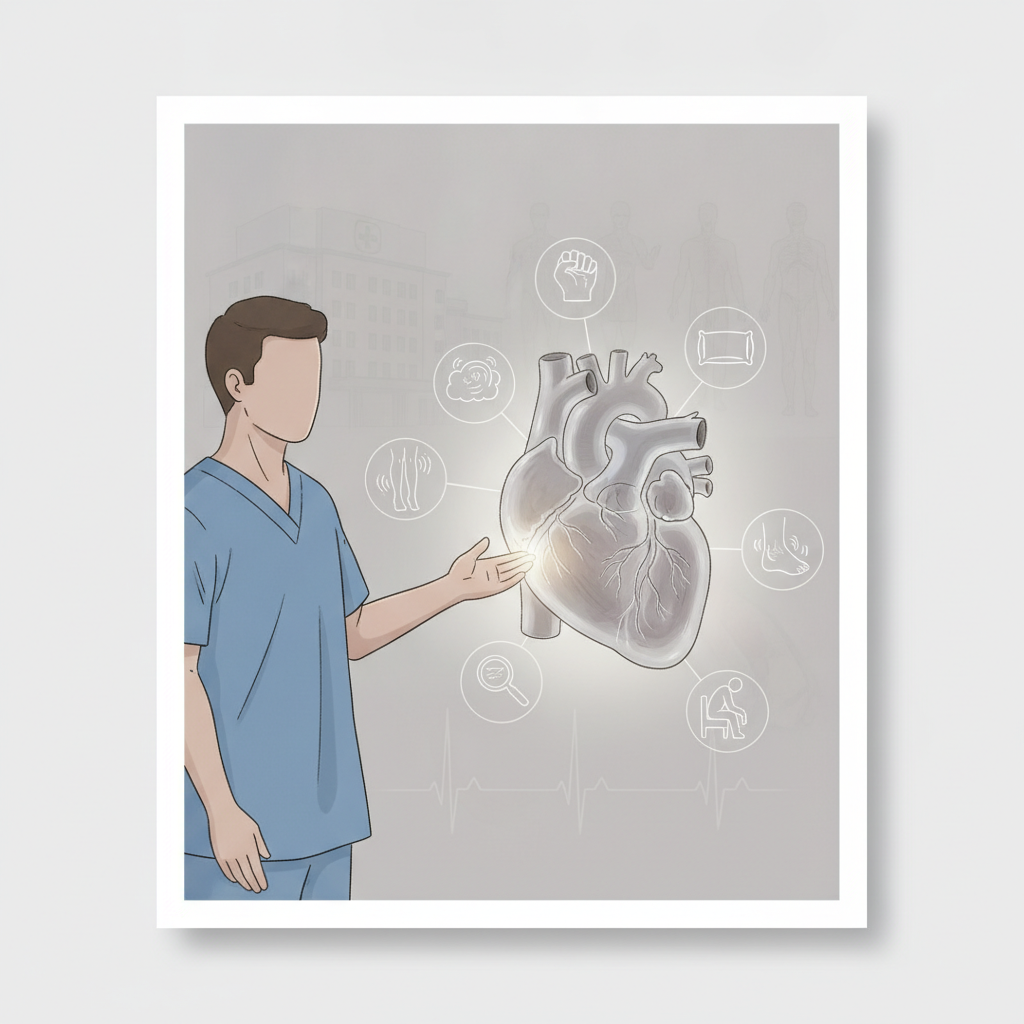
- Bald patches on the shins and feet: Sudden hair loss on lower legs signals reduced blood flow. Specifically, restricted blood vessels deprive hair follicles of vital oxygen and nutrients.
- Persistent ankle and foot swelling: Fluid accumulation is known medically as edema. It frequently signals that a weakened heart cannot pump blood efficiently back up to the chest.
- Leg cramps during routine walking: Muscle tightness or aching often hits the calves during light exertion. When this pain eases with rest, it points toward arterial blockages.
- Cold toes and stubborn skin sores: Poor circulation leaves feet feeling unusually cold. Additionally, it prevents minor cuts or ulcers from healing properly.
Why are peripheral artery disease signs often overlooked during routine daily activities?
Many adults mistakenly dismiss lower body discomfort as normal aging, temporary muscle strain, or simple arthritis. Because peripheral artery disease signs develop slowly, individuals frequently adjust their walking pace or daily routines. Consequently, they often delay consulting a doctor. Recognizing these circulatory signals early prevents severe arterial blockages and helps maintain long-term mobility.
When arteries narrow due to plaque buildup, muscles experience oxygen deprivation during simple physical tasks. This condition is known as intermittent claudication. It creates recurring pain that subsides only when physical activity stops. Ultimately, ignoring these signals allows vascular blockages to worsen unchecked.
What do hidden signs of heart disease outside the chest reveal about blood vessel health?
Vascular health impacts every internal organ because arteries create an interconnected delivery network across the body. Damage inside smaller blood vessels generally reflects systemic arterial stiffening. In turn, this stiffening also affects the heart. Consequently, conditions like persistent erectile dysfunction or unrelenting daily fatigue serve as critical markers of widespread cardiovascular stress.
Medical organizations, including the American College of Cardiology, highlight a key warning indicator for coronary artery disease. Specifically, they recognize persistent erectile dysfunction as an early sign. The delicate blood vessels supplying the reproductive system often display lining damage early. In fact, this damage appears long before larger cardiac arteries show severe blockages. Therefore, addressing these symptoms early offers a vital window for preventive intervention.
Similarly, unexplained exhaustion that persists despite adequate sleep signals potential heart failure. When the heart struggles to pump effectively, the body must ration its energy. It prioritizes oxygen delivery to vital organs over skeletal muscles. Consequently, routine household chores or short walks can leave individuals feeling completely drained.
Proactive health management allows families to avoid sudden hospitalizations and expensive intensive treatments through basic preventive care. Furthermore, timely consultations with local primary care doctors help patients address root causes. Doctors can guide them toward practical lifestyle choices and affordable prescription medications.
Otherwise, unmanaged cardiovascular disease places heavy financial burdens on families through lost workdays and urgent clinical interventions. Regular health screenings empower individuals to take charge of their wellness. As a result, they can act before minor circulation issues turn into life-threatening emergencies.
When should patients seek medical evaluations for unexpected physical changes?
Individuals should schedule a medical evaluation whenever physical symptoms remain persistent or unexplained. They should also seek care if symptoms grow progressively worse over time. Simple diagnostic tests can evaluate circulatory function and measure blood vessel performance in a regular clinic setting. Ultimately, prompt medical reviews provide clear diagnostic answers and allow physicians to create effective preventative care plans.
In practice, doctors rely on quick non-invasive tests to evaluate arterial flow in the office. For example, clinicians often perform an ankle-brachial index test. This exam compares blood pressure readings in the ankle against readings in the arm. Consequently, this straightforward comparison identifies peripheral artery restrictions quickly and accurately.
Still, cardiologists stress that experiencing one of these symptoms does not automatically confirm advanced heart failure. It also does not guarantee severe blockages. However, unexplained changes in leg hair, skin temperature, or stamina warrant a thorough checkup. Seeking a professional opinion early remains the most reliable way to safeguard heart function. Moreover, it helps patients maintain their quality of life.
This article was produced with the assistance of AI and reviewed by our editorial team.
Sources
Related: How to Spot the Critical Signs of Heart Trouble in Legs and Feet
Related: Cardiologist Warns of Hidden Signs of Heart Trouble and Leg Symptoms
Related: Hidden Signs of Heart Disease Every American Should Know