
Health News
Hidden Signs of Heart Disease: Key Warning Symptoms to Watch in Your Body
6 hidden signs of heart trouble you should never ignore, US-based cardiologist warns: One of them starts in your legs Heart doctor names early leg symptom that means your heart is in trouble High cholesterol symptoms: Six warning signs in…


Last updated:
Key points
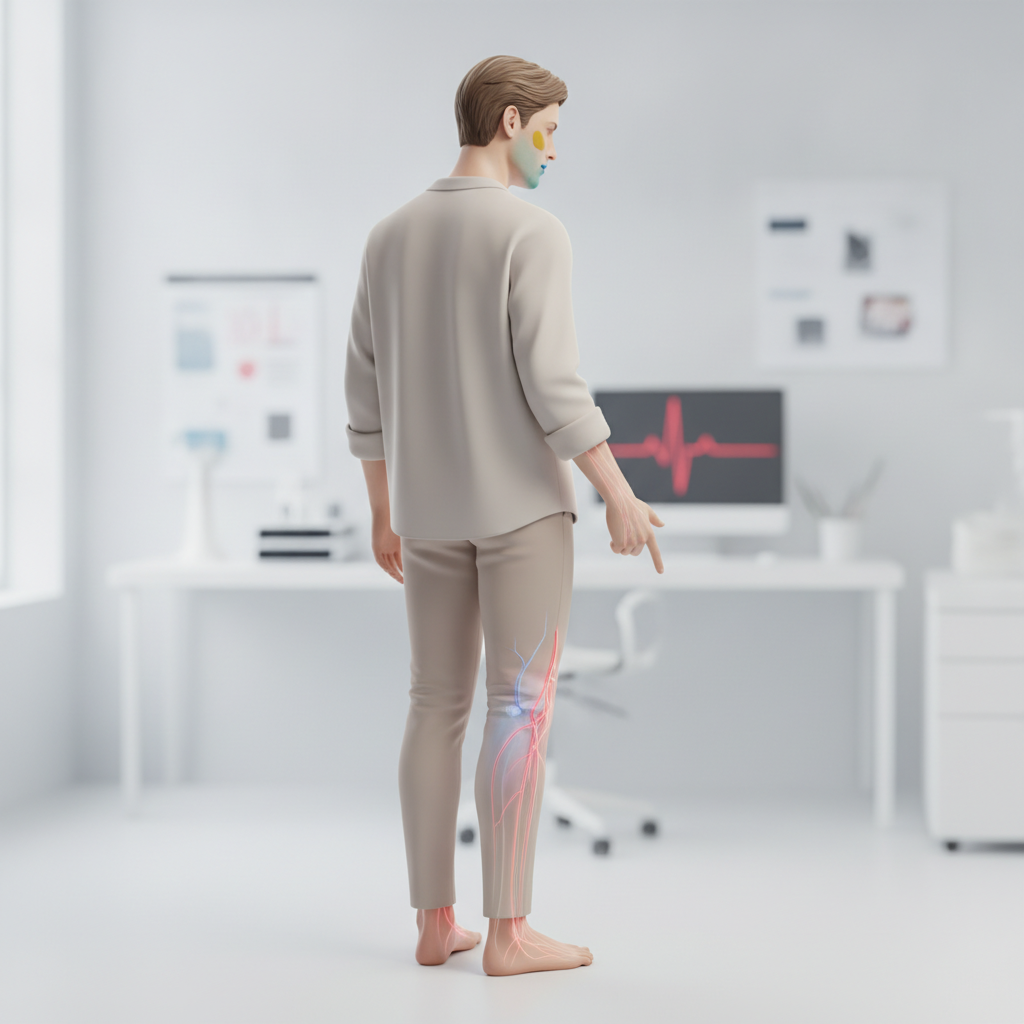
- Cardiovascular disease often manifests early subtle symptoms far from the heart, particularly in the legs and lower feet.
- Symptoms like leg hair loss, swollen ankles, calf cramps, and chronic fatigue can signal peripheral artery disease or heart failure.
- Early non-invasive testing and routine health screenings help prevent serious cardiac events and lower long-term healthcare costs.
NewsWK — Cardiovascular health remains a top priority for millions of American families. They seek to maintain their independence and active lifestyles. Most people look for sudden chest pressure or extreme shortness of breath as red flags. However, medical specialists warn that serious circulatory problems often begin with subtle changes in distant body parts.
What Are the Early Warning Signs of Heart Disease in Unexpected Areas?
Many Americans associate cardiovascular disease primarily with sudden chest pain or acute shortness of breath. However, medical experts emphasize that arterial blockages often produce subtle physical changes far from the chest. These signs appear long before major cardiac events occur. Therefore, recognizing these early signals allows individuals to seek proactive care. This lowers long-term medical costs and protects personal well-being.
The human circulatory system relies on clear pathways to deliver oxygenated blood to every organ. When plaque accumulates within blood vessels, peripheral tissues suffer first. Consequently, arterial blockages in lower limbs frequently indicate broader arterial damage near the heart.
How Do Hidden Signs of Heart Disease Impact Local Healthcare Systems and Families?
Unrecognized cardiovascular problems place a heavy burden on local emergency rooms across the United States. They also strain family finances and community resources. Early detection through routine medical exams reduces the need for costly emergency procedures. As a result, patients can stay active and working. Furthermore, taking personal responsibility for health monitoring helps families prevent unexpected medical crises.
Preventative health awareness empowers individuals to manage their wellness without relying on expensive emergency care. Furthermore, managing health proactively keeps workers on the job and protects household stability.
What Are the 6 Subtle Physical Symptoms You Should Watch For?
Cardiothoracic specialists highlight six distinct physical markers that frequently indicate underlying vascular or cardiac trouble. These symptoms range from localized changes in lower extremities to persistent systemic fatigue. Therefore, tracking these changes helps patients discuss specific indicators with their healthcare providers during routine visits.
Doctors track key changes in skin, circulation, and energy levels. This helps them spot potential cardiovascular risks early. Important physical indicators include:
- Loss of leg hair: Sudden hair loss on the shins, ankles, or toes often signals reduced blood flow. Peripheral artery disease frequently causes this issue.
- Persistent erectile dysfunction: Vascular damage frequently affects smaller blood vessels first. Consequently, it limits proper arterial circulation.
- Swelling in feet and ankles: Fluid accumulation in lower extremities can indicate declining heart muscle pumping efficiency.
- Chronic fatigue: Ongoing exhaustion during basic tasks suggests that vital tissues are not receiving adequate oxygen.
- Painful leg cramping: Severe calf discomfort occurs while walking and eases with rest. This points toward arterial blockage in the legs.
- Cold feet and slow-healing sores: Reduced tissue perfusion prevents skin wounds from healing properly over time.
Why Are Leg Symptoms of Heart Trouble So Frequently Ignored?
Patients often attribute leg discomfort or swelling to normal aging, minor muscle strain, or daily standing. Because the legs seem distant from the heart, many people miss the connection to central circulation. Consequently, serious arterial conditions progress without early intervention. This increases the risk of severe cardiovascular complications.
Ignoring subtle leg changes allows arterial blockages to worsen over time. Therefore, recognizing foot and leg warning signs is critical for long-term health.
Why Do Swollen Ankles Heart Issues Require Medical Evaluation?
Swollen ankles occur when weak heart pumping allows fluid to accumulate in lower tissues. Fluid retention can also stem from kidney problems or medication side effects. Nevertheless, persistent swelling requires careful clinical evaluation. Early diagnostic testing helps doctors distinguish between localized vein issues and systemic heart muscle weakness.
Medical providers evaluate fluid retention alongside overall blood pressure and pulse quality. Consequently, identifying fluid buildup early allows doctors to adjust care plans before symptoms worsen.
What Diagnostic Tools Can Identify Peripheral Vascular Disease?
Physicians use non-invasive tests to evaluate arterial blood flow and assess cardiovascular risk accurately. Simple clinical checks provide objective data on vascular performance without requiring complex hospital stays. As a result, prompt testing enables targeted lifestyle modifications and medical therapies. These treatments protect vital organs and restore circulatory efficiency.
Cardiothoracic surgeon Dr. Jeremy London, cardiologists, and vascular experts emphasize that routine screening protects patients. For example, doctors often use an ankle-brachial index test. This exam compares blood pressure in the arms and legs.
Ultimately, taking charge of personal health begins with observing daily bodily changes. While an isolated symptom does not confirm heart disease, persistent combination patterns justify prompt medical advice. By seeking timely evaluation, Americans can safeguard their health. They also protect family resources and maintain long-term physical independence.
This article was produced with the assistance of AI and reviewed by our editorial team.
Sources
Related: How to Spot the Critical Signs of Heart Trouble in Legs and Feet
Related: Why Heart Attacks Under 50 Are Rising Rapidly Across America


