US News
US Blockade of Iran Triggers Tensions as Tehran Threatens Maritime Countermeasures
Iran vows ‘every means’ to counter US blockade after Trump threat Live Updates: Iran says it will use all means to end U.S. blockade as Trump plays down escalating attacks Iran war live: Hormuz standoff brings escalation threat against US…


Last updated:
Key points
- Iranian spokesman Esmaeil Baghaei warned Iran will use all available means to counter the U.S. naval blockade.
- The statements followed President Donald Trump‘s warning that Iranian vessels breaching the blockade would be sunk.
- The U.S. reinstated the naval blockade in July 2026 after a brief draft understanding collapsed.
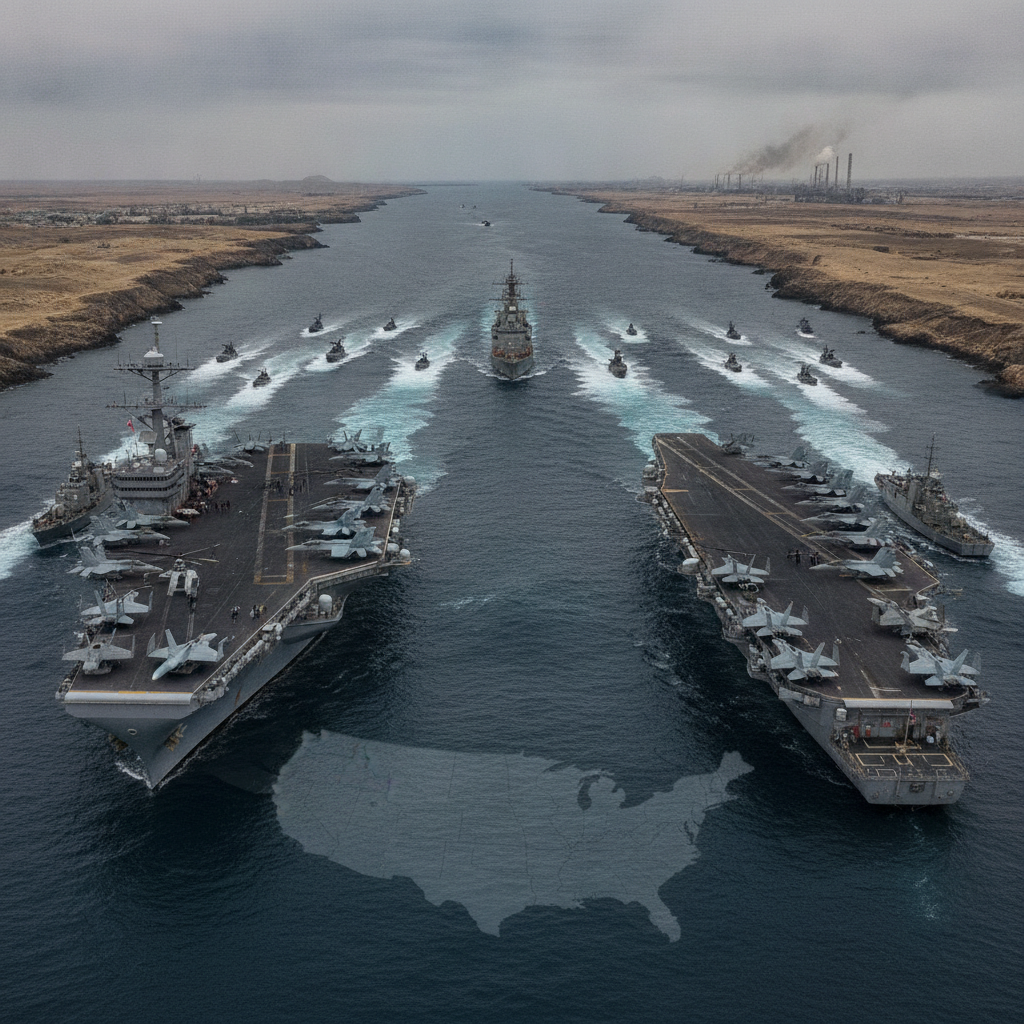
NewsWK — Tensions between Washington and Tehran reached a critical flashpoint this week. Specifically, Iranian officials threatened military countermeasures against American naval operations in the Middle East. Meanwhile, American military leaders remain positioned across strategic regional waterways to enforce trade restrictions. Consequently, energy analysts warn of potential supply disruptions and closely monitor maritime transit zones.
How will the Iran response US blockade clash affect American consumers?
The intensifying naval standoff poses direct risks to international shipping routes and global energy markets. Price hikes occur if maritime trade encounters military friction in critical bottlenecks. Furthermore, prolonged operational deployments in foreign waters directly impact U.S. defense resources and federal taxpayer spending.
Energy analysts emphasize that any trade disruption in major sea lanes quickly reaches domestic supply chains. For American consumers, higher Oil Prices Typically Drive up shipping fees. This affects consumer goods, agricultural products, and retail merchandise. Moreover, business owners face unpredictable fuel overhead. Therefore, they must decide whether to absorb rising transportation costs or pass them along to shoppers. Additionally, defense experts point out that maintaining robust naval operations requires significant logistics support. Thus, national defense priorities in the region remain a central focus for lawmakers in Washington.
What happened during the Esmaeil Baghaei Iran briefing in Tehran?
On November 23, 2026, Iranian Foreign Ministry spokesman Esmaeil Baghaei held a press conference. During the briefing, he declared that Tehran would use all available tools to resist American naval enforcement. Furthermore, he categorized the ongoing blockade as an act of illegal military aggression against his country. He also cited specific provisions of international law.
Speaking to journalists in Tehran, Baghaei sharply criticized American foreign policy decisions. He stated that “what the Americans have described as economic sanctions, an economic blockade and a naval blockade undoubtedly constitute an act of military aggression against Iran.” Additionally, the spokesman asserted that Iran retains a legal right to self-defense. Specifically, he pointed to Article 51 of the United Nations Charter. Officials in Tehran maintain that economic restrictions and maritime interdictions together violate national sovereignty.
Why did the Donald Trump Iran threat escalate the maritime conflict?
The recent exchange followed explicit warnings from President Donald Trump regarding naval enforcement. Specifically, Trump warned that Iranian ships attempting to breach maritime boundaries would face destruction at sea. Consequently, Tehran responded with immediate rhetoric. This reaction raised fears of direct naval confrontation in contested shipping channels.
In a broadcast interview on November 22, 2026, President Trump delivered a firm warning to Iranian leadership. He stated that any Iranian vessel attempting to force its way past American ships would “go to the bottom of the sea.” Furthermore, this strong stance underscored the administration’s determination to enforce economic pressure through a firm military posture. Subsequently, Iranian diplomats characterized the statement as an unacceptable escalation. Meanwhile, military analysts observe that both governments are signaling resolve. Therefore, this dynamic increases the necessity for precise operational management on the open ocean.
How does the Strait of Hormuz standoff impact global trade and security?
The broader maritime confrontation highlights ongoing vulnerability in critical international shipping corridors. Currently, commercial maritime traffic near the Arabian Gulf remains sensitive to military activity. As a result, the conflict raises insurance premiums for commercial cargo vessels. Furthermore, international partners continue watching how Washington balances regional deterrence with broader diplomatic goals.
The operational history of the naval initiative reflects multiple phases of diplomatic negotiation and enforcement. First, United States forces established the sea blockade on April 13, 2026, to curtail unauthorized maritime trade. Later, officials temporarily suspended operations in June 2026 after Washington and Tehran negotiated a draft understanding. However, that agreement collapsed shortly thereafter when diplomatic talks stalled. As a result, the U.S. military restored the maritime blockade on July 14, 2026. Ultimately, this decision created the framework for current enforcement actions.
Today, defense analysts track commercial shipping patterns continuously. Here are key factors driving the ongoing maritime friction:
- Strategic waterways: Middle Eastern sea lanes transport a major share of global petroleum supplies daily.
- Re-imposition of maritime limits: The naval blockade was restored after a draft understanding collapsed.
- Self-defense arguments: Tehran invokes UN Charter provisions while Washington maintains naval rights to conduct security operations.
Looking ahead, lawmakers in Washington continue assessing the long-term strategic costs of extended naval deployments. While strong foreign policy actions project national strength, military leaders must manage operational readiness carefully. Meanwhile, domestic consumers and logistics firms remain watchful. Ultimately, they know that distant maritime disputes can quickly influence economic conditions at home.
This article was produced with the assistance of AI and reviewed by our editorial team.
Sources
Related: House Resolution 1499 Clears Way for Critical Votes on Mining, Higher Education, and Maritime Rules
Related: Study Examines Women on Parole Mental Health and Reentry Crises Across the US