US News
El Chapo Isidro Arrest: Mexican Forces Capture FBI Most Wanted Cartel Leader in Sinaloa Raid
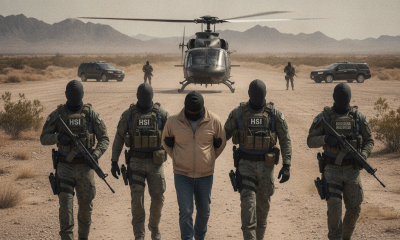
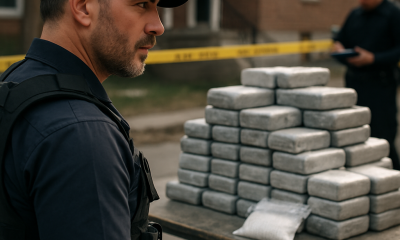
‘Chapo Isidro’: Mexican soldiers attacked in wake of drug lord’s arrest Is Mexico Stepping Up in the War on Drugs? Cartel kingpin on FBI’s most wanted list captured in dramatic Mexican military operation Mexico arrests drug kingpin on FBI’s 10…


Last updated:
Key points
- Mexican special forces captured FBI Most Wanted fugitive Fausto Isidro Meza Flores (‘El Chapo Isidro‘) during a military raid in Guasave, Sinaloa.
- The raid resulted in 11 fatalities—four Mexican Army soldiers and seven cartel gunmen—and triggered widespread cartel blockades and violent shootouts.
- Meza Flores faces extradition to the United States on major federal drug trafficking indictments involving fentanyl, heroin, cocaine, and weapons charges.
NewsWK — Mexican military special forces captured drug kingpin Fausto Isidro Meza Flores on Friday night. The bloody Sinaloa raid targeted the fugitive known as “El Chapo Isidro.” For over a decade, United States law enforcement pursued Meza Flores. Specifically, he smuggled massive quantities of deadly fentanyl and other narcotics across the southern border. However, the raid triggered immediate violence across northwestern Mexico. Multiple soldiers and gunmen died, while the clashes sent shockwaves through local communities.
How did Mexican forces carry out the Chapo Isidro Sinaloa raid?
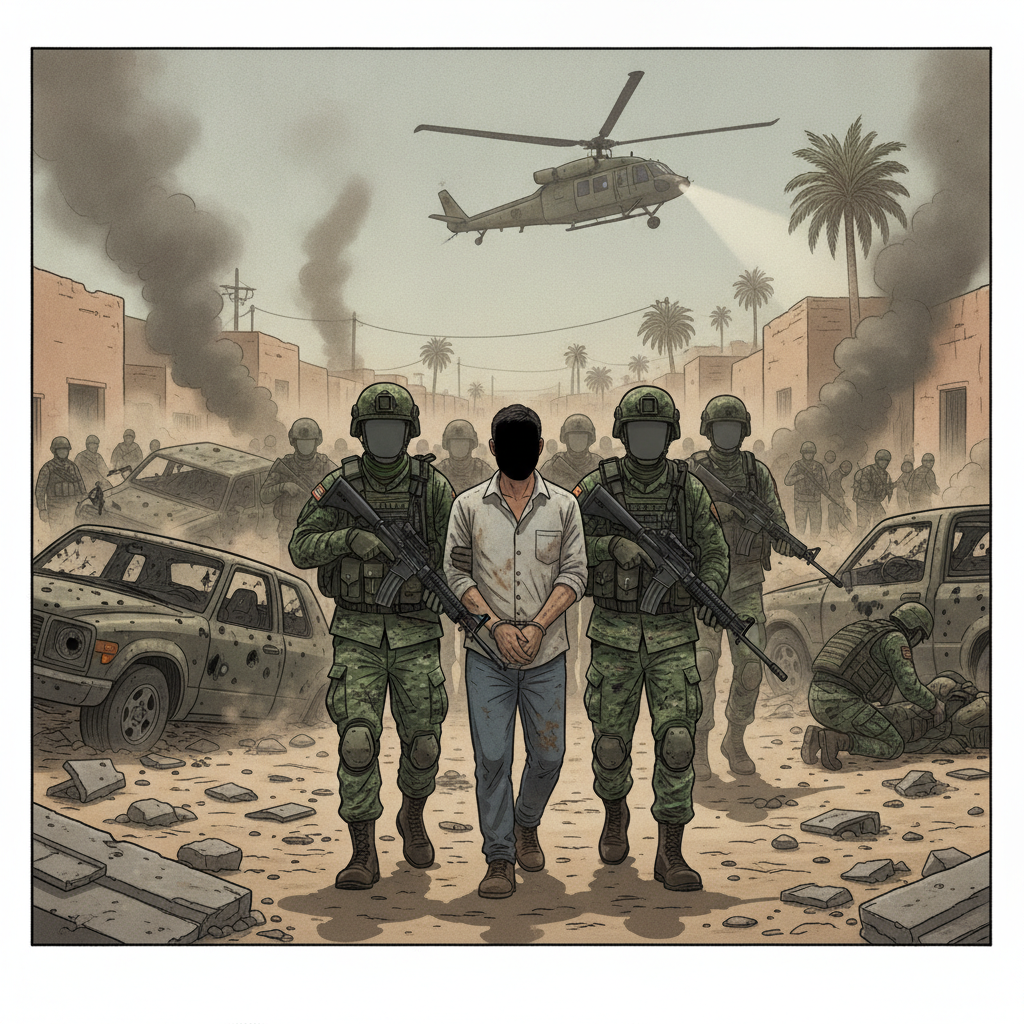
Mexican special forces and the National Guard raided a residence in Guasave, Sinaloa, on Friday, November 20, 2026. First, military units received vital United States intelligence support. Next, troops fought a fierce gunbattle against heavily armed cartel operatives. Ultimately, federal forces captured Fausto Isidro Meza Flores and seven key syndicate associates.
During the assault, cartel gunmen attacked troops with automatic weapons and explosive devices. Consequently, the initial firefight resulted in 11 confirmed deaths. Security Secretary Omar García Harfuch confirmed the casualties. Four Mexican Army soldiers and seven cartel gunmen died during the battle.
Afterward, cartel operatives quickly retaliated across Guasave. Gunmen torched civilian vehicles and built flaming roadblocks to block military access routes. Nearby, panic erupted at Kuroda Park during a professional baseball game. The match featured the Venados de Mazatlán and Algodoneros de Guasave. Players and terrified spectators fled the field for cover as gunfire echoed outside. Therefore, officials suspended the game.
By Saturday morning, November 21, 2026, military authorities took decisive action to secure the kingpin. The Mexican Air Force flew Meza Flores to Mexico City on a specialized aircraft. Authorities immediately delivered him to the Federal Specialized Prosecutor’s Office for Organized Crime. Additionally, two senior lieutenants traveled on the same flight. One was his cousin and alleged second-in-command, “Germán N” (alias “Serafín”). The other was his brother-in-law, “José N,” who managed financial operations. Meanwhile, state prosecutors in Culiacán took custody of the remaining five suspects from the initial raid.
What does this major capture mean for American communities fighting fentanyl?
The arrest of Meza Flores removes a major narcotics supply node. Specifically, his network trafficked massive shipments of deadly fentanyl, heroin, and methamphetamine into American cities. For years, illicit narcotics flowed across the border under his direction. Thus, his capture serves as a vital victory for law enforcement, border security, and public safety.
Currently, fentanyl overdose deaths continue to devastate American families, small towns, and urban centers. Federal prosecutors have long identified Meza Flores as a primary architect of cross-border smuggling pipelines. Therefore, dismantling his leadership structure deals a direct blow to transnational cartels. These networks have flooded United States streets with lethal synthetic drugs.
Furthermore, the successful joint intelligence operation highlights the critical need for strong international security partnerships. Conservative lawmakers and law enforcement leaders have repeatedly urged aggressive action against foreign drug cartels. Dismantling these powerful syndicates protects innocent citizens and strengthens border integrity. Above all, it holds violent transnational criminals accountable for their crimes.
Who is Fausto Isidro Meza Flores and why was he wanted?
Fausto Isidro Meza Flores, 44, directed major transnational drug trafficking operations out of Sinaloa for nearly two decades. Accordingly, United States authorities listed him among the world’s most dangerous fugitives. He oversaw vast distribution networks that supplied dangerous narcotics into American markets. At the same time, he maintained brutal control over regional smuggling corridors.
Meza Flores led his own dangerous faction. Authorities know this group as the Meza-Flores Transnational Criminal Organization, the Guasave Cartel, or Los Mazatlecos. Additionally, he maintained high-level leadership within the broader Beltrán Leyva criminal network. During ongoing turf wars in Sinaloa, he strategically aligned his forces with the “Los Mayos” cartel faction.
A United States federal grand jury indicted Meza Flores in 2012 on major drug trafficking and firearms charges. Because he evaded capture for over a decade, federal authorities escalated their pursuit. In 2025, officials added him to the FBI’s Ten Most Wanted Fugitives list. Moreover, they offered a reward of up to $5 million for information leading to his arrest.
Why was a Beltran Leyva cartel leader captured now after a decade on the run?
Intensified pressure from federal law enforcement and expanded intelligence sharing created the breakthrough needed to locate Meza Flores. Specifically, United States and Mexican agencies worked together closely. Furthermore, ongoing turf warfare within Sinaloa exposed critical vulnerabilities in his security network. Consequently, elite military units struck precisely.
For years, Meza Flores operated from deep strongholds in rural Sinaloa. However, heightened military patrols and targeted intelligence operations gradually constricted his movement. Meanwhile, United States law enforcement tracked his financial operations and logistics networks for years. This persistent pressure ultimately paved the way for Friday’s decisive military strike in Guasave.
How did cartel violence unfold in Sinaloa following the arrest?
Cartel operatives launched immediate counter-attacks across Sinaloa to disrupt security forces and avenge the arrest. First, gunmen targeted military patrols, hijacked vehicles, and constructed armed blockades. However, Mexican special forces deployed swiftly across the region. Troops repelled violent ambushes and restored order through decisive tactical actions.
Still, the violence extended well past the initial Friday night raid. On Sunday, November 22, 2026, armed cartel members ambushed special forces troops patrolling Guasave. Soldiers swiftly returned fire and repelled the assault without sustaining further military fatalities.
During the Sunday engagement, soldiers arrested eight additional cartel operatives, including one minor suspect. These individuals had participated in the weekend blockades. In addition, military personnel seized a significant arsenal of high-caliber rifles and six vehicles. Notably, two seized trucks featured custom improvised armor and turrets built for heavy machine guns.
Finally, authorities confirmed that all eight newly detained suspects belonged to the Beltrán Leyva syndicate. Mexican defense officials emphasized that military forces will maintain a heavy presence in Sinaloa. Ultimately, this deployment aims to prevent further cartel retaliation and safeguard local residents.
This article was produced with the assistance of AI and reviewed by our editorial team.
Sources
Related: Democrats aim to emulate Republicans in building state power
Related: Sanctuary Policies Block Federal Jail Transfers as ICE Ramps Up Enforcement Across U.S. Communities
Related: Federal Measure Targets Double Taxation on Remote Workers Across the United States