Health News
Cardiologists Warn of 6 Hidden Signs of Heart Trouble That Signal Danger Beyond Chest Pain
6 hidden signs of heart trouble you should never ignore, US-based cardiologist warns: One of them starts in your legs Heart doctor names early leg symptom that means your heart is in trouble High cholesterol symptoms: Six warning signs in…


Last updated:
Key points
- Cardiothoracic surgeon Dr. Jeremy London warns that non-chest symptoms in the lower body often indicate severe cardiovascular disease.
- Leg hair loss, foot sores, leg cramps, ED, and ankle swelling frequently signal reduced blood flow or peripheral artery disease.
- Early diagnostic screenings like the ankle-brachial index can identify arterial blockages before major cardiac events occur.
NewsWK — American families often associate cardiovascular illness with sharp chest discomfort or sudden arm pain. However, medical experts emphasize that dangerous vascular conditions frequently announce themselves far lower in the body. Subtle blood flow changes can signal serious arterial blockages long before a medical emergency occurs. Recently, US-based cardiothoracic surgeon Dr. Jeremy London highlighted several non-chest symptoms that demand immediate attention.
How Do Hidden Signs of Heart Trouble Impact Daily Health and Local Families?
Unchecked circulation issues can gradually strip away physical independence across American communities. Therefore, promptly recognizing systemic vascular decay helps patients secure early medical care and preserve their quality of life.
Cardiovascular disease remains a leading health threat across the United States. Still, many residents assume that heart problems always produce dramatic symptoms like crushing chest pressure. Consequently, millions of people ignore subtle physical warnings in their legs and feet. This delay often leads to avoidable complications, emergency hospitalizations, and costly medical treatments. Furthermore, untreated arterial disease can limit mobility.
What Are the Major Warning Signs Outside the Chest?
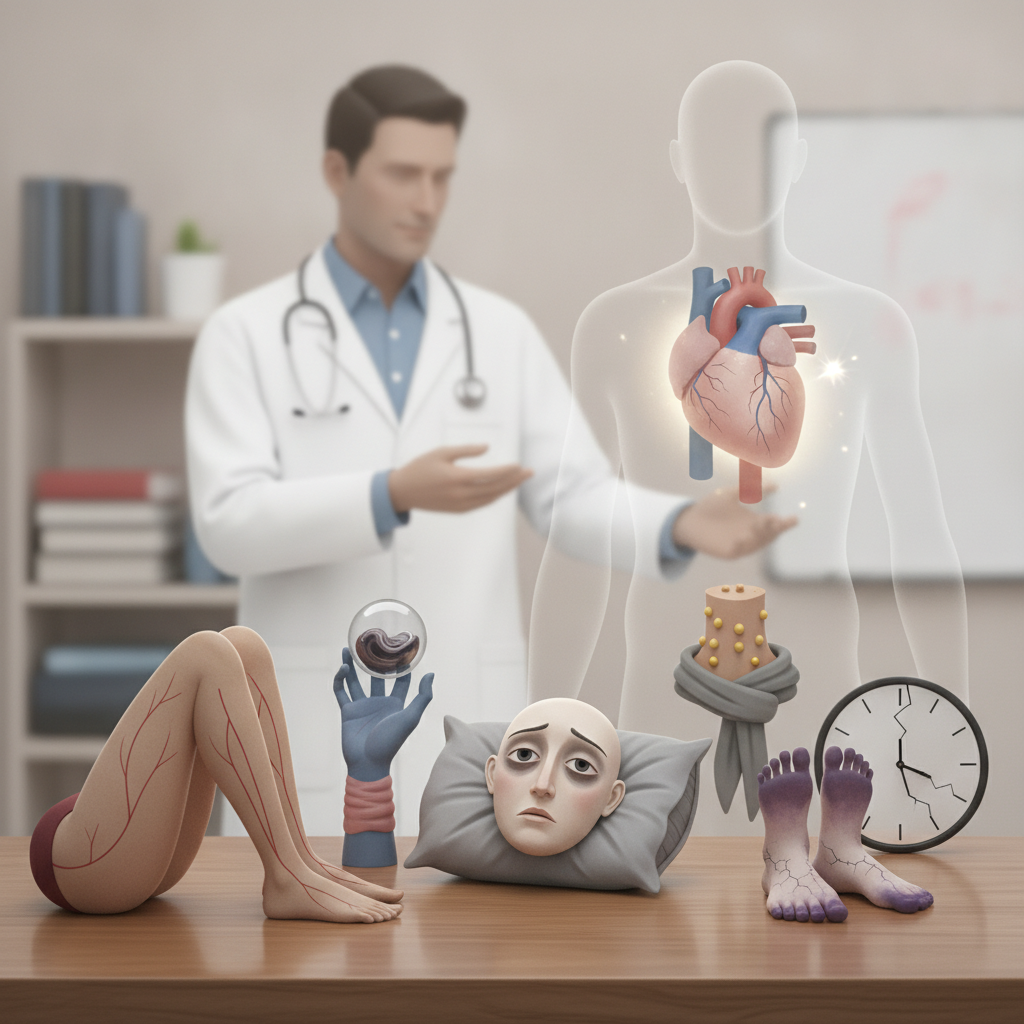
Cardiothoracic surgeon Dr. Jeremy London highlights six key non-chest indicators of heart trouble. Specifically, these signs point toward vascular blockages or reduced pumping efficiency. They include unexplained leg hair loss, non-healing foot wounds, and persistent leg cramping while walking. Additionally, patients should watch for lower extremity swelling, chronic fatigue, and unresolved erectile dysfunction.
Peripheral arteries nourish the lower body. Because of this, blockages in those vessels directly impair tissue health. Therefore, recognizing these warning signs early can help individuals seek timely medical care.
Can Leg Hair Loss Heart Disease Symptoms Signal Circulation Blockages?
Hair loss on the shins, ankles, or feet often signals peripheral artery disease symptoms. Narrowed arteries cause this condition by restricting circulation. When blood flow declines, oxygen-starved hair follicles simply stop functioning normally. Consequently, medical providers frequently evaluate this subtle physical change alongside other circulatory tests to catch arterial blockages early.
In addition to hair loss, several distinct indicators alert doctors to impaired systemic circulation:
- Loss of leg hair: Sudden leg hair loss heart disease warnings stem from reduced blood flow. This poor circulation starves hair follicles on the shins, toes, and feet.
- Persistent ED: Ongoing erectile dysfunction can precede overt cardiac issues by several years. The American College of Cardiology notes this important connection.
- Ankle and foot swelling: Persistent fluid accumulation in lower extremities can reflect early warning signs of heart failure.
- Unexplained exhaustion: Chronic fatigue after light exertion occurs because weakened hearts deliver less oxygen to vital muscles.
- Claudication pain: Leg cramping or aches during routine walking represent classic leg symptoms of heart disease.
- Cold feet and slow-healing sores: Stubborn skin wounds and numb toes indicate severe peripheral vascular starvation.
Why Is Early Diagnosis Crucial for Vascular Health?
Cardiovascular disease frequently acts as a silent threat. Arterial plaque builds up gradually over many years without obvious pain. Fortunately, detecting circulation problems through simple diagnostic tests can prevent major cardiac events. Early identification allows healthcare providers to start medical therapies before permanent tissue damage or critical arterial blockage occurs.
Patients who notice these changes should consult their primary care providers promptly. Doctors typically assess circulatory function using non-invasive screenings. For instance, the ankle-brachial index test compares blood pressure readings between the arms and legs. This simple comparison helps doctors detect arterial narrowing. In addition, routine blood pressure checks and vascular exams help physicians identify high-risk individuals early. Ultimately, early detection improves long-term outcomes. Therefore, addressing these warning signs promptly provides the best defense against severe cardiovascular disease.
This article was produced with the assistance of AI and reviewed by our editorial team.
Sources
Related: Cardiologist Warns of Hidden Signs of Heart Trouble and Leg Symptoms
Related: 6 Hidden Signs of Heart Trouble American Adults Should Never Ignore