Health News
6 Hidden Signs of Heart Trouble American Adults Should Never Ignore
6 hidden signs of heart trouble you should never ignore, US-based cardiologist warns: One of them starts in your legs Heart doctor names early leg symptom that means your heart is in trouble High cholesterol symptoms: Six warning signs in…


Last updated:
Key points
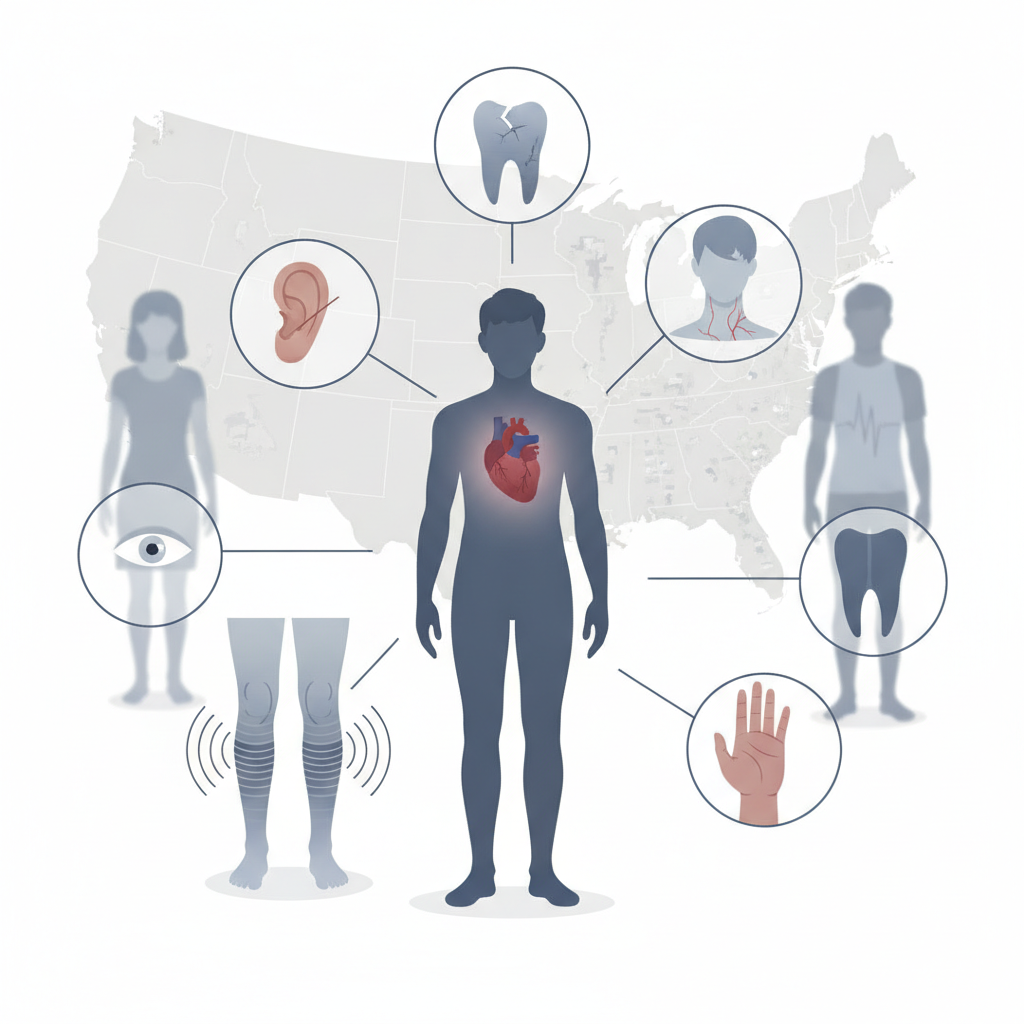
- Cardiothoracic surgeon Dr. Jeremy London highlights subtle non-chest symptoms of cardiovascular disease, including leg hair loss, cramping, and swelling.
- Persistent erectile dysfunction and unexplained chronic fatigue can signal underlying arterial blockages years before major cardiac events occur.
- Early screening tests like the Ankle-Brachial Index allow doctors to detect peripheral artery disease and intervene early.
NewsWK — Heart disease remains the leading cause of death across the United States. Typically, many Americans expect cardiovascular illness to strike with sudden chest pain. However, dangerous blood vessel blockages often develop quietly throughout the body. Recently, US-based cardiothoracic surgeon Dr. Jeremy London highlighted several subtle physical indicators. Sadly, patients and families frequently overlook these early warnings.
Circulatory problems can affect organs far away from the chest. Consequently, early warning signals frequently appear in the lower extremities and daily energy levels. Spotting these red flags early allows doctors to intervene before severe medical events occur.
How can signs of heart disease in legs reveal hidden circulatory risks?
Cardiologists warn that changes in your lower legs often point directly to compromised blood circulation. When plaque buildup narrows arteries, oxygenated blood struggles to reach the legs, feet, and toes. Therefore, recognizing these early subtle indicators helps individuals seek timely medical evaluation from local healthcare providers.
Specifically, Dr. London identified four lower-body warning signs linked to reduced vascular health:
- Leg hair loss: Sudden hair loss on the shins, toes, or feet can signal poor nutrient delivery to hair follicles.
- Leg cramping during walking: Walking may cause pain or cramping that resolves with rest. This pattern often indicates intermittent claudication.
- Persistent swelling: Unexplained fluid accumulation in ankles and feet can signal heart failure or kidney complications.
- Cold feet and slow-healing sores: Reduced blood flow prevents tissue repair. As a result, minor cuts or ulcers stay unhealed for weeks.
What are common peripheral artery disease symptoms to watch out for?
Peripheral artery disease symptoms usually develop when fatty deposits constrict arteries outside the heart. Recognizing these warning signs of heart disease early enables doctors to run non-invasive screening tests before blockages worsen.
What do subtle leg symptoms of heart disease mean for daily health?
Ignoring persistent leg symptoms of heart disease can severely impact your independence and daily mobility. Furthermore, it reduces your overall quality of life. Reduced blood flow forces many adults to slow down, limit physical activities, or miss work.
For active adults and seniors across American communities, early detection protects long-term lifestyle freedom. Fortunately, local primary care clinics can quickly assess circulatory health using simple bedside tools. Therefore, patients should report leg cramps, swelling, or skin changes during routine physical exams. This step remains vital for proactive health management.
What other non-chest warning signs of heart disease exist?
Heart issues do not always present as chest pressure or shortness of breath. Instead, vascular damage often affects smaller arteries throughout the body long before major cardiac events happen. Dr. London noted two critical systemic indicators. Often, patients dismiss these signs as normal aging or temporary stress.
First, persistent erectile dysfunction in men can precede obvious heart problems by several years. In fact, the American College of Cardiology recognizes persistent erectile dysfunction as a potential indicator of vascular disease.
Second, unexplained chronic fatigue serves as another major red flag. Patients might feel unusually exhausted after light tasks or after sleeping full hours. This exhaustion indicates that the heart struggles to pump oxygenated blood efficiently. When muscle tissues lack adequate oxygen, routine household chores become difficult.
Why is early detection critical for cardiovascular health?
Cardiovascular disease earns its reputation as a silent threat. Arterial blockages build up over many years without dramatic symptoms. By the time chest pain appears, vascular narrowing is often advanced. Therefore, evaluating early physical signs gives physicians a vital window to introduce preventative therapies.
Additionally, healthcare providers use several routine tests to diagnose circulatory issues quickly:
- Ankle-Brachial Index (ABI): This test compares ankle blood pressure with arm blood pressure.
- Blood pressure screening: Regular checks identify systemic arterial stiffening early.
- Circulation physical exams: Physicians check peripheral pulses in the feet and legs to evaluate blood flow.
Of course, leg hair loss, swelling, or fatigue do not guarantee heart disease. Nevertheless, these symptoms justify a medical consultation. Patients experiencing persistent symptoms should schedule an evaluation with their physician promptly.
This article was produced with the assistance of AI and reviewed by our editorial team.
Sources
Related: Cardiologist Warns of Hidden Signs of Heart Trouble and Leg Symptoms
Related: Hidden Signs of Heart Trouble: Why Your Legs and Feet May Hold Vital Clues