Health News
Hidden Signs of Heart Disease: What Experts Warn You Should Never Ignore
6 hidden signs of heart trouble you should never ignore, US-based cardiologist warns: One of them starts in your legs Heart doctor names early leg symptom that means your heart is in trouble High cholesterol symptoms: Six warning signs in…



Last updated:
Key points
- Cardiovascular problems often display subtle early indicators in the lower body, including leg hair loss, calf cramps, and swollen ankles.
- Cardiothoracic surgeon Dr. Jeremy London highlights persistent erectile dysfunction and chronic fatigue as potential warnings of systemic vascular damage.
- Doctors recommend non-invasive screenings like the ankle-brachial index test for anyone experiencing persistent, unexplained extremity symptoms.
NewsWK — However, many people still associate heart trouble solely with sudden, severe chest pain. In reality, cardiovascular specialists stress that circulatory failure often presents through quiet, unexpected physical changes throughout the body.
How Can Your Lower Body Reveal Hidden Signs of Heart Disease?
Lower body symptoms frequently appear when the heart struggles to pump oxygenated blood efficiently to distant extremities. As blood vessels narrow or heart pump strength wanes, fluid backs up. Consequently, tissues suffer from poor nutrition. Recognizing these early signals helps patients seek medical testing long before a catastrophic cardiac event occurs.
Cardiothoracic surgeon Dr. Jeremy London notes that cardiovascular disease impacts the entire arterial network. The legs and feet sit farthest from the heart. Therefore, they often display the initial red flags of arterial blockages. For instance, reduced blood delivery damages delicate tissues, hair follicles, and small nerve endings in lower limbs.
Additionally, systemic vascular issues do not stop at reduced stamina. Poor circulation restricts oxygen delivery to vital organ systems and extremity muscle groups. Consequently, daily activities like climbing stairs or walking around the block become surprisingly difficult for affected individuals.
What Are the Primary Heart Disease Leg Symptoms to Watch For?
Specific physical changes in the lower extremities serve as vital clues to underlying arterial blockages or heart failure. Accordingly, doctors urge patients to monitor unexplained hair loss on shins and calf cramping during exertion. Cold extremities and persistent ankle swelling also point directly toward circulation breakdowns requiring prompt clinical evaluation.
Medical experts highlight several specific signs of heart trouble in legs that warrant prompt medical review:
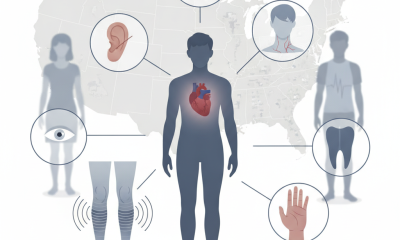
- Loss of shin hair: Sudden hair loss on the shins, ankles, or feet often signals peripheral artery disease. Deprived of oxygen, hair follicles wither away.
- Exercise-induced calf pain: Cramping or pain in the calves during walking that resolves with rest indicates intermittent claudication. Specifically, this common symptom reflects restricted blood flow to leg muscles.
- Persistent ankle edema: Swelling in the lower legs, feet, or ankles often stems from weak heart pumping. In short, fluid accumulates in tissue when the circulatory pump loses efficiency.
- Cold toes and slow-healing sores: Reduced arterial supply leaves feet feeling abnormally cold. Furthermore, it causes small skin cuts or ulcers to heal very slowly.
How Do Dr Jeremy London Heart Signs Reveal Silent Vascular Damage? Hidden Signs of Heart Disease
Dr Jeremy London heart signs emphasize that arterial damage harms smaller blood vessels before larger coronary arteries completely fail. For example, persistent erectile dysfunction occurs because tiny blood vessels in the reproductive system deteriorate first. Thus, identifying these subtle vascular indicators gives physicians an early opportunity to intervene.
Cardiovascular research confirms that endothelial dysfunction affects blood vessels throughout the entire body. Furthermore, the American College of Cardiology recognizes persistent erectile dysfunction as an early warning sign of broader arterial disease. Small blood vessels show damage earlier than major coronary arteries. As a result, reproductive health issues frequently precede acute heart events by several years.
Similarly, chronic fatigue that does not resolve with adequate rest indicates that muscles lack sufficient oxygen. Patients often dismiss persistent exhaustion as simple aging or stress. However, severe fatigue points toward impaired cardiac output when it accompanies peripheral blood flow issues.
What Does This Mean for Daily Health and Patient Safety?
Recognizing early warning signs of heart disease allows individuals to consult healthcare providers before severe complications arise. Specifically, patients experiencing new or unexplained leg symptoms should request non-invasive diagnostic tests. These evaluations include blood pressure screenings and ankle-brachial index tests. Ultimately, early lifestyle adjustments and medical management significantly improve long-term survival rates.
Moreover, simple outpatient tests can confirm whether leg pain stems from joint arthritis or serious peripheral vascular blockages.
Primary care physicians typically perform an ankle-brachial index test to compare blood pressure readings between arms and legs. This fast, painless procedure accurately measures arterial flow. Therefore, patients who act quickly can adopt preventative treatments. They can also start tailored exercise programs or dietary changes to protect their long-term heart health.
What Context Helps Differentiate Heart Issues From Other Conditions?
Isolated leg swelling or muscle aches do not automatically confirm a heart failure diagnosis. In fact, swollen extremities can also result from kidney dysfunction, blood pressure medication side effects, or localized venous blood clots. However, a comprehensive cardiovascular evaluation becomes essential when multiple peripheral symptoms occur alongside unexplained fatigue.
Major medical institutions, including the Mayo Clinic and the American College of Cardiology, emphasize that symptoms rarely occur alone. Kidney failure or venous insufficiency can certainly cause leg edema. Still, heart-related swelling usually accompanies shortness of breath or persistent tiredness.
Consequently, medical professionals advise against self-diagnosis. Instead, patients who notice persistent, unexplained physical changes should maintain a detailed symptom log. Finally, sharing these precise timelines with a doctor ensures accurate diagnostic testing and timely intervention.
This article was produced with the assistance of AI and reviewed by our editorial team.
Sources
Related: Cardiologist Warns of Hidden Signs of Heart Disease Appearing in Lower Body
Related: Hidden Signs of Heart Disease: Why Leg Symptoms and Fatigue Require Medical Attention