Health News
Hidden Signs of Heart Disease: Why Doctors Focus on Lower Extremity Symptoms
6 hidden signs of heart trouble you should never ignore, US-based cardiologist warns: One of them starts in your legs Heart doctor names early leg symptom that means your heart is in trouble High cholesterol symptoms: Six warning signs in…



Last updated:
Key points
- Unusual leg symptoms like shin hair loss, cold feet, and calf cramps can signal peripheral artery disease and cardiovascular issues.
- Swollen ankles and persistent fatigue may reflect reduced heart pumping capacity or fluid backup requiring medical evaluation.
- Simple non-invasive tests, including blood pressure checks and ankle-brachial index screenings, help detect circulation problems early.
NewsWK — Heart disease remains the leading cause of death across the United States. Often, many Americans associate cardiovascular illness strictly with sudden chest pressure or severe shortness of breath. However, medical experts emphasize that arterial blockages frequently signal trouble far from the chest. US cardiothoracic surgeon Dr. Jeremy London recently highlighted several subtle physical indicators. In fact, these physical markers show up in the lower extremities and daily energy levels well before a cardiac crisis occurs. Therefore, recognizing these subtle signs helps families take charge of their health early.
What are the subtle warning signs of poor circulation?
Cardiovascular disease limits the body’s ability to circulate oxygenated blood efficiently to distant organs and tissues. Consequently, peripheral tissues suffer from reduced blood supply when vessels narrow. This happens long before a major cardiac event occurs. Patients often notice subtle physical changes in their legs, feet, or endurance levels. Yet, they rarely realize these symptoms stem from arterial issues.
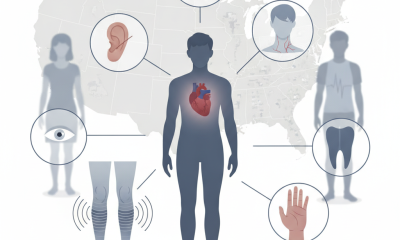
Dr. Jeremy London points out that vascular damage often creates subtle external clues. For instance, unexplained bald patches on the shins, toes, or lower legs may indicate peripheral vascular obstruction. When narrowed arteries cut off vital nutrients, hair follicles stop functioning normally. Similarly, persistent numbness or unusually cold feet point toward compromised arterial flow. Small sores on the feet that heal slowly also signal circulation trouble.
How do peripheral artery disease leg warning signs appear in daily life?
Peripheral artery disease leg warning signs frequently manifest during simple daily routines. These include walking, climbing stairs, or working around the home. bald patches on the front of your legs Because these changes develop slowly, many active adults ignore them. Instead, they mistakenly attribute their discomfort to ordinary aging or simple joint stiffness.
A classic physical indicator is intermittent claudication. Specifically, this condition causes painful muscle cramping in the calves or thighs during light physical effort. However, the discomfort typically subsides after a few minutes of quiet rest. Additionally, tissue deterioration can cause pale or bluish skin discoloration in the feet. Ultimately, catching these early signals enables patients to pursue conservative treatments before severe arterial blockages develop. For example, doctors may recommend exercise programs or cholesterol management.
What leg symptoms of heart trouble should families monitor?
Families should monitor recurring lower leg swelling, persistent soreness, and unexpected changes in physical stamina. In many cases, fluid accumulation around the ankles and lower legs reflects impaired cardiac pumping capacity. Therefore, recognizing these leg symptoms of heart trouble early allows individuals to seek timely medical guidance. In turn, this avoids costly emergency room visits and severe health complications later.
Swollen feet and ankles, medically known as edema, occur when a weakened heart cannot pump blood efficiently. As a result, gravity causes excess fluid to back up into the lower limbs. Medical institutions like the Mayo Clinic and the Merck Manual note that fluid buildup often accompanies chronic fatigue or breathlessness. Of course, leg swelling can also stem from kidney problems or specific prescription drugs. Nevertheless, sudden or worsening fluid retention warrants a doctor’s evaluation.
In addition to physical swelling, health professionals warn about several other warning signs:
- Persistent erectile dysfunction, which often reflects damage in smaller arterial linings preceding coronary blockages.
- Exhausting fatigue that leaves individuals tired even after a full night of restful sleep.
- Constant tightness or aching in the lower legs during normal daily movement.
What do these cardiovascular warnings mean for everyday preventive health?
For local communities and working families, recognizing early arterial symptoms preserves personal independence. Moreover, it reduces long-term medical expenditures. Proactive health management relies on individual accountability rather than reactive emergency care. Thus, identifying physical warning signs allows patients to consult trusted primary care physicians early. They can address minor circulatory problems before those issues escalate into life-threatening conditions.
Heart disease places a heavy burden on family budgets and local healthcare systems. Fortunately, when patients recognize subtle physical indicators early, they can make informed lifestyle adjustments. For example, healthy dietary choices, regular physical movement, and routine checkups help maintain vascular health without high medical costs. Furthermore, the American College of Cardiology emphasizes that early intervention significantly reduces the risk of heart attacks and strokes. Ultimately, empowering individuals with accurate medical knowledge fosters stronger, healthier communities grounded in personal responsibility.
When should patients request an evaluation for heart disease early warning signs?
Patients should request a professional medical checkup whenever they observe new or unexplained physical changes. Specifically, they should watch for persistent issues in their lower extremities or daily stamina. Seeking an objective evaluation ensures accurate diagnostic testing. Then, medical providers can perform non-invasive circulatory checks to identify hidden heart attack risks long before an emergency arises.
Physicians utilize several simple, non-invasive diagnostic tools to evaluate circulatory health:
- Ankle-brachial index (ABI) tests to compare blood pressure in the ankles and arms.
- Standard blood pressure screenings to assess arterial tension throughout the body.
- Pulse evaluations in the feet and lower legs to measure peripheral blood flow strength.
Dr. London stresses that having one isolated symptom does not automatically confirm heart disease. However, persistent physical clues warrant a professional discussion. Ultimately, proactive healthcare choices allow patients to work closely with their doctors and select appropriate testing. Consequently, individuals can protect their long-term health through timely preventive action.
This article was produced with the assistance of AI and reviewed by our editorial team.
Sources
Related: Cardiologist Warns of Hidden Signs of Heart Trouble and Leg Symptoms
Related: Hidden Signs of Heart Disease: What Experts Say About Leg Symptoms and Vascular Health