Health News
Cardiologist Warns of Hidden Signs of Heart Trouble Appearing in the Legs
6 hidden signs of heart trouble you should never ignore, US-based cardiologist warns: One of them starts in your legs Heart doctor names early leg symptom that means your heart is in trouble High cholesterol symptoms: Six warning signs in…


Last updated:
Key points
- Cardiovascular disease can develop without chest pain, showing early warning signs in the lower limbs and daily energy levels.
- Leg symptoms such as shin hair loss, calf cramping during activity, cold feet, and swollen ankles often indicate poor peripheral circulation.
- Persistent fatigue and early vascular changes justify a physician evaluation, while acute chest pressure or severe shortness of breath requires immediate emergency care.
NewsWK — Heart disease remains a leading health threat across American communities. Many people expect chest pain as the first sign of arterial danger. However, medical experts warn that dangerous arterial blockages often develop quietly. They frequently occur without obvious chest discomfort. Recognizing subtle physical changes early empowers families to seek timely care and protect their long-term health.
What do early warning signs of heart disease mean for patient care?
Recognizing early warning signs of heart disease allows patients to pursue preventive care before a sudden medical crisis occurs. helps tackle heart issues before things go south Instead, they mistake serious circulatory issues for standard aging.
Healthcare costs continue to burden working families and senior citizens alike. Catching cardiovascular disease in its earliest stages offers a proactive way to avoid costly surgical procedures later. Primary care doctors can perform simple screenings right in their local clinics. Therefore, staying informed about unusual physical symptoms helps patients control their personal wellness and healthcare expenses.
Which leg symptoms of heart disease should patients watch for?
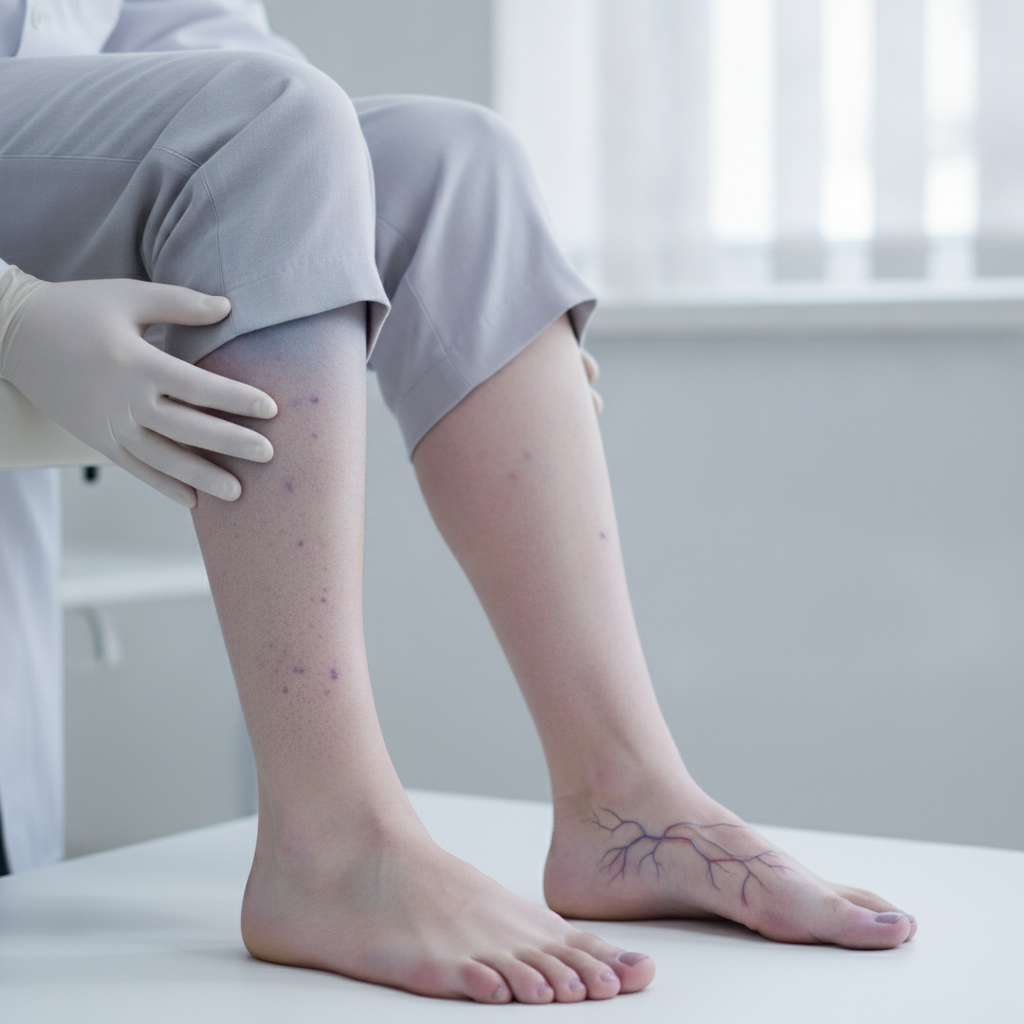
Cardiothoracic surgeons emphasize that circulation problems frequently show up in the lower extremities first. Reduced arterial blood flow starves leg tissue of critical oxygen and nutrient supplies. Consequently, patients should monitor their lower legs for unexplained hair loss and persistent coldness in the feet. They should also watch for calf cramping during exertion and swollen ankles.
Dr. Jeremy London is a board-certified cardiothoracic surgeon. He holds credentials in general, vascular, and thoracic surgery. Recently, he highlighted key warning indicators that patients frequently overlook. For example, sudden hair loss on the shins, feet, or toes can indicate peripheral artery disease. Fatty deposits narrow the blood vessels supplying the legs. As a result, sensitive hair follicles die off from a lack of nourishment.
Additionally, physical activity can trigger noticeable leg pain or muscle cramping. Narrowed arteries restrict the oxygen delivery needed during routine walking or exercising. Because the calf muscles cannot receive adequate blood flow, patients experience aching discomfort. This pain subsides only after resting. Furthermore, the Centers for Disease Control and Prevention notes that cold feet, numb toes, and slow-healing sores also indicate restricted blood delivery.
Why are signs of poor circulation in legs easily overlooked?
Many individuals dismiss early signs of poor circulation in the legs as minor muscle fatigue or joint stiffness. However, the vascular network in the lower limbs acts as an early indicator for the entire cardiovascular system. When small peripheral blood vessels suffer blockages, larger cardiac arteries may already face similar underlying stress.
Fluid accumulation in the lower body provides another critical warning. Because the heart operates as a muscle pump, inefficient blood movement causes fluid to back up into body tissues. Gravity naturally pulls this excess fluid down toward the feet and lower legs. As a result, persistent swelling around the ankles and feet is a vital warning sign. It often signals that the heart muscle struggles to maintain effective circulation throughout the body.
What other hidden signs of heart trouble indicate cardiovascular stress?
Beyond lower body discomfort, hidden signs of heart trouble can manifest as severe fatigue or subtle vascular dysfunction. When the heart cannot pump oxygen-rich blood efficiently, routine daily tasks become exhausting. Additionally, smaller blood vessels in other parts of the body often show blockage symptoms first. These warnings appear long before major cardiac arteries fail completely.
Dr. London pointed out that persistent erectile dysfunction frequently stems from underlying vascular disease rather than simple hormonal shifts. The blood vessels supplying these tissues are roughly half the size of the coronary arteries. Consequently, arterial narrowing restricts blood flow in these smaller vessels much earlier. Addressing this issue early can help doctors detect widespread vascular disease before a heart attack occurs.
Unexplained and constant tiredness also deserves serious attention. Many adults attribute persistent exhaustion to busy work schedules or aging. However, a sharp drop in daily stamina can occur alongside ordinary activities. This change may indicate that the heart cannot meet the body’s baseline oxygen demands.
When should patients seek a professional cardiovascular evaluation?
Experiencing one of these symptoms does not automatically prove a patient has advanced heart disease. However, persistent circulatory changes justify a prompt medical evaluation by a qualified doctor. Physicians can conduct non-invasive vascular tests to evaluate blood flow accurately. These screenings include blood pressure checks and ankle-brachial index assessments.
Cardiovascular disease refers to conditions affecting the heart and blood vessels. It usually stems from fatty plaque buildup inside the arteries. Early screening allows physicians to recommend lifestyle adjustments, medication, or targeted therapies before severe damage occurs.
While subtle symptoms warrant a routine doctor visit, certain acute warning signs require urgent medical intervention. Patients must watch for sudden chest pressure, severe shortness of breath, sudden fainting, or intense unexpected exhaustion. Anyone experiencing these symptoms must seek immediate emergency care. Ultimately, recognizing these critical signals saves lives and minimizes long-term heart muscle damage.
This article was produced with the assistance of AI and reviewed by our editorial team.
Sources
Related: Cardiologist Warns of Hidden Signs of Heart Trouble and Leg Symptoms
Related: Hidden Signs of Heart Trouble: Why Your Legs and Feet May Hold Vital Clues