Health News
How Prebiotic Supplements Brain Health Findings Offer Affordable Memory Support for Aging Adults
A Cheap Daily Supplement Seems to Boost Brain Function in Older Adults This Compound May Help Calm Brain Inflammation (& It’s Found In Fruit) Scientists Tested a Gut-Made Supplement for Heart Health. But the Most Promising Result Appeared in the…


Last updated:
Key points
- A 12-week double-blind study of twin pairs over age 60 showed that daily prebiotic supplements improved memory performance.
- Researchers found that inexpensive plant fibers like inulin increased beneficial Bifidobacterium levels in the gut.
- The findings suggest low-cost over-the-counter prebiotics could serve as an accessible, non-prescription option to support cognitive health in older adults.
NewsWK — American families face the emotional and financial challenges of cognitive decline. Consequently, they constantly search for practical solutions. High healthcare costs make preventative wellness options increasingly attractive to senior citizens across the nation. Recent clinical findings suggest that simple plant-based fiber supplements may offer a low-cost method to support memory.
How do prebiotics for memory older adults impact daily independent living?
Affordable over-the-counter dietary fibers could give older Americans a low-cost, low-risk way to support memory and mental clarity. Because these plant-based supplements require no prescription, seniors can easily buy them. Furthermore, families can integrate them into daily routines without heavy healthcare expenses.
Many elderly Americans wish to maintain their cognitive independence as long as possible. However, high-priced pharmaceuticals and complex medical regimens often strain household budgets. In contrast, inexpensive plant fibers offer a practical self-care strategy. Therefore, discovering that low-cost prebiotics enhance memory performance provides immediate hope for budget-conscious households. When seniors remain sharp and self-sufficient, local communities thrive. At the same time, family caregivers experience less stress.
What does the Kings College London prebiotic study reveal about cognitive aging?
Researchers at King’s College London made a promising discovery. Taking plant-based prebiotic fiber daily improved memory scores in older adults within just twelve weeks. Furthermore, the placebo-controlled twin trial showed that targeting the digestive tract directly enhanced cognitive test performance among participants aged sixty and older.
Studying twins allows scientists to isolate environmental factors cleanly. Over 12 weeks, researchers gave one twin a daily dose of plant-based prebiotics mixed into protein powder. Meanwhile, the other twin received a matching protein powder placebo. This double-blind design ensured that neither participants nor scientists knew who received the active supplement. At the end of three months, participants completed rigorous mental testing.
The results demonstrated clear cognitive differences between the two groups. Twins who took the prebiotic supplements scored significantly higher on memory tests than their siblings. Mary Ni Lochlainn, a geriatric medicine researcher who worked on the trial, highlighted the potential impact.
“We are excited to see these changes in just 12 weeks,”
Ni Lochlainn stated.
“This holds huge promise for enhancing brain health and memory in our aging population.”
What did researchers learn from an inulin brain function study?
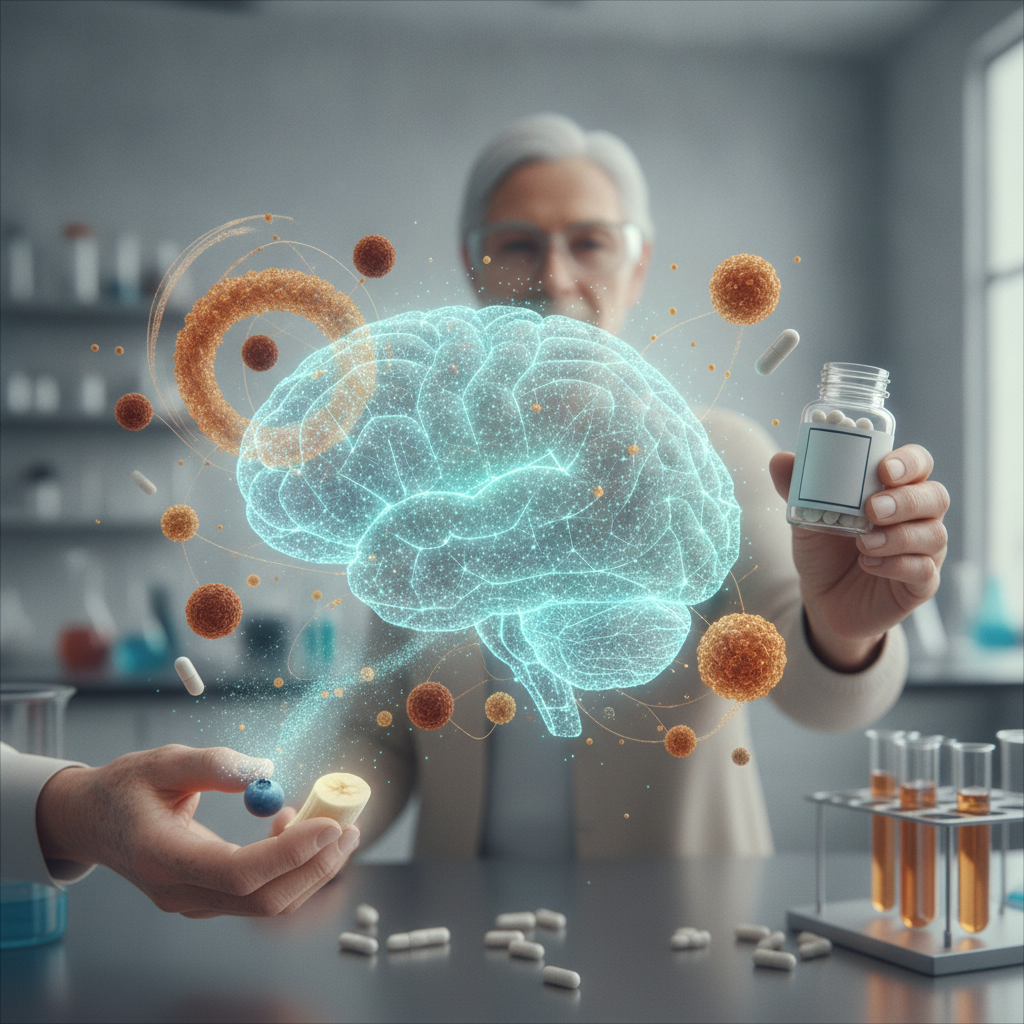
The trial demonstrated that daily doses of inulin and fructooligosaccharides fostered beneficial gut bacteria like Bifidobacterium. At the same time, these fibers boosted short-term memory performance. By comparing twin pairs over three months, scientists confirmed that simple dietary fiber adjustments produced measurable gains in brain function.
The intervention relied on two specific plant-based prebiotic fibers: inulin and fructooligosaccharides. These compounds feed beneficial bacteria in the lower digestive tract. Laboratory tests showed that participants taking the fiber supplement experienced a marked increase in Bifidobacterium levels. However, the supplements did not yield significant physical improvements, such as preventing age-related muscle loss. Instead, the primary benefit appeared in cognitive processing and recall.
Researchers noted that these fibers are inexpensive and non-prescription. Claire Steves, a researcher involved in the study, noted that these plant fibers are “cheap and available over the counter.” She added that they remain “safe and acceptable” for daily use.
Why is the gut microbiome brain connection gaining attention among medical researchers?
Scientists increasingly view the digestive system as a critical factor in neurological health. Specifically, gut microbes produce key chemical signals for the central nervous system. This growing understanding encourages researchers to explore targeted dietary changes as proactive, non-pharmacological tools to preserve long-term cognitive vitality.
The biological mechanism relies on communication between gut microbes and the brain. Microorganisms in the digestive tract process dietary fiber and release metabolic byproducts. Consequently, improving gut flora balance directly supports memory processing in older adults.
Although the initial 12-week trial yielded promising outcomes, researchers acknowledge several limitations. Most study participants were female. However, analysts adjusted their statistical models to account for sex differences. Additionally, scientists must determine whether memory gains persist after participants stop taking the supplements. To address these questions, Wageningen University in the Netherlands launched a longer 26-week study called PRECODE. That trial compares chicory inulin, resistant dextrin, and seaweed polysaccharides against a placebo. Final results are expected by 2027.
In the meantime, the initial findings highlight the power of simple, free-market nutritional choices. Seniors looking to protect their cognitive vitality do not always need to wait for costly pharmaceutical drugs. Instead, aging Americans can incorporate affordable prebiotic fiber into daily diets. By doing so, they take proactive, budget-friendly steps toward preserving their mental sharpness.
This article was produced with the assistance of AI and reviewed by our editorial team.
Sources
Related: Galatians 5:14 — Daily Bible Verse
Related: Colossians 3:1 — Daily Bible Verse