Health News
CDC Respiratory Virus Data Tracks Rise in Autumn Hospitalizations Across the Nation
People Most Impacted by Respiratory Viruses


Last updated:
Key points
- Hospitalizations for COVID-19 and influenza are highest among adults aged 65 and older as autumn illness spreads.
- Emergency department visits for flu and RSV are increasing primarily among children and teenagers under age 18.
- Federal surveillance networks covering over 40 million Americans show low overall mortality rates across all demographics through early November.
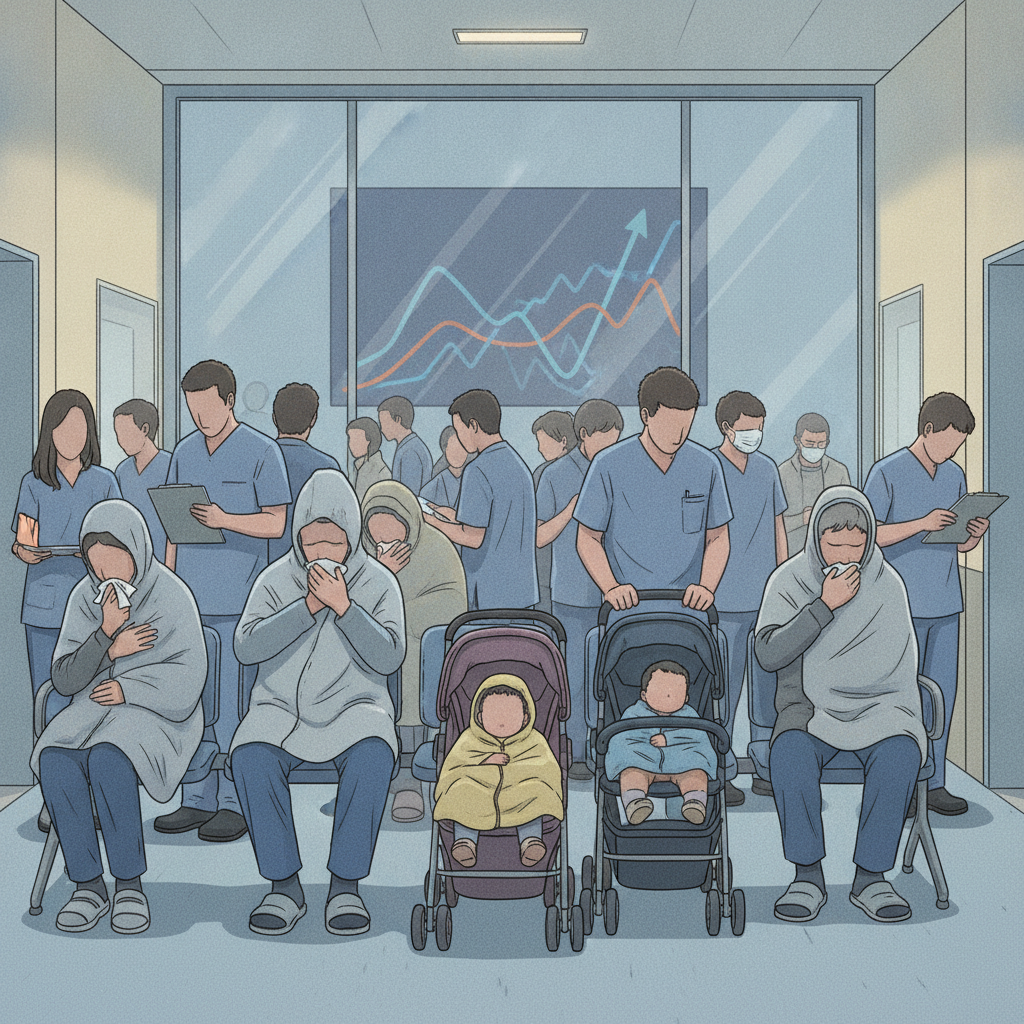
NewsWK — Autumn weather is settling across American communities. Meanwhile, public health officials are tracking seasonal trends in hospital emergency rooms. Recent federal figures show distinct risk patterns among different age groups for common winter illnesses. Consequently, hospitals across the country are managing higher patient volumes.
What Does the Latest CDC Respiratory Virus Data Reveal About Current Trends?
Federal tracking systems indicate a distinct rise in seasonal infections as colder weather takes hold. In addition, the data shows varying impacts across different age groups for influenza, COVID-19, and respiratory syncytial virus. Public health monitoring systems collected these metrics through mid-November. Therefore, healthcare providers can prepare for incoming patient loads.
Surveillance systems updated key figures on November 20, 2026. Specifically, the information combines measurements from emergency departments and hospital admissions across participating regions. These surveillance platforms collect records covering more than 40 million people. That total represents roughly 12 percent of the United States population.
Meanwhile, national mortality records provide additional context on severe illness outcomes. Death records current through November 7 show low overall proportions across broad demographic groups. However, health officials note that early data requires continuous evaluation as winter progresses.
How Are Families and Older Adults Affected in Local Communities?
Households face growing healthcare decisions as emergency rooms handle seasonal surges. In particular, vulnerable groups like seniors and infants represent the majority of serious hospital admissions. Therefore, community hospitals rely on these national surveillance trends. This data helps them manage staffing, room availability, and medical supplies effectively.
Who Falls Into Respiratory Illness High Risk Groups?
Health authorities identify three main groups facing elevated danger from seasonal viruses. Specifically, young children, seniors, and individuals with underlying health conditions suffer severe complications most frequently. Medical experts closely track these vulnerable populations during peak transmission months to guide hospital preparedness.
For example, infants under one year old experience high hospital admission rates after respiratory pathogen exposure. Similarly, adults with weakened immune systems face heightened risk during peak transmission months.
What Do COVID-19 Hospitalization Rates by Age Show This Season?
Recent federal statistics show sharp differences in hospital stays based on patient age. Most notably, infants under one year old and seniors over age 65 suffer the highest complication rates. Meanwhile, emergency room visits for COVID-19 remain highest among children under five years of age.
Why Are Flu Hospitalizations Adults 65 Older Rising Right Now?
Influenza activity continues to expand nationwide as winter approaches. Surveillance metrics through November 14 show fast-rising emergency department flu visits among youth under 18. However, older adults face the highest rates of severe inpatient admissions because aging immune systems struggle against severe strains.
Indeed, severe outcomes present a different clinical picture across age demographics. Flu hospitalizations for adults 65 and older represent the highest rate of inpatient admissions nationwide. Consequently, hospitals report steady increases in senior admissions as seasonal cases multiply.
How Do CDC Flu and RSV Updates Measure National Health Impacts?
Federal updates track multiple viruses simultaneously to evaluate overall hospital capacity. Specifically, combining data on influenza, RSV, and COVID-19 provides a complete picture of seasonal illness burdens. Consequently, this multi-virus approach helps public health leaders identify which age brackets face the greatest strain.
For instance, Respiratory Syncytial Virus, commonly called RSV, shows distinct patterns this season. Emergency room visits linked to RSV remain low overall nationwide. Nevertheless, cases are steadily rising among children under five years old. Also, hospitalizations for this young demographic are ticking upward in recent tracking reports.
Furthermore, demographic breakdowns by race and ethnicity show consistent pattern distributions across the country. Through mid-November, weekly emergency room visits for combined respiratory illnesses ranged between 0.5 percent and 0.6 percent across all reported groups. Similarly, hospitalization percentages ranged from 0.5 percent to 1.3 percent across the same demographic categories. Finally, to protect patient privacy, officials suppress public reporting for categories with fewer than ten recorded deaths.
This article was produced with the assistance of AI and reviewed by our editorial team.
Related: CDC Respiratory Illness Hospitalizations Update Shows Flu Rising Across America
Related: CDC Respiratory Illness Levels Show Low Nationwide Activity Heading into Winter