National Policy
Federal Officials Launch USDA Screwworm Response to Protect Livestock and Trade
Screwworm.gov | Animal and Plant Health Inspection Service


Last updated:
Key points
- The USDA launched Screwworm.gov to track cases and assist producers following confirmed pest detections in Texas and New Mexico.
- A $100 million federal funding initiative will enhance sterile fly production to halt the parasite’s spread.
- Federal officials emphasize that the U.S. food supply remains safe and overall risk to humans and animals stays very low.
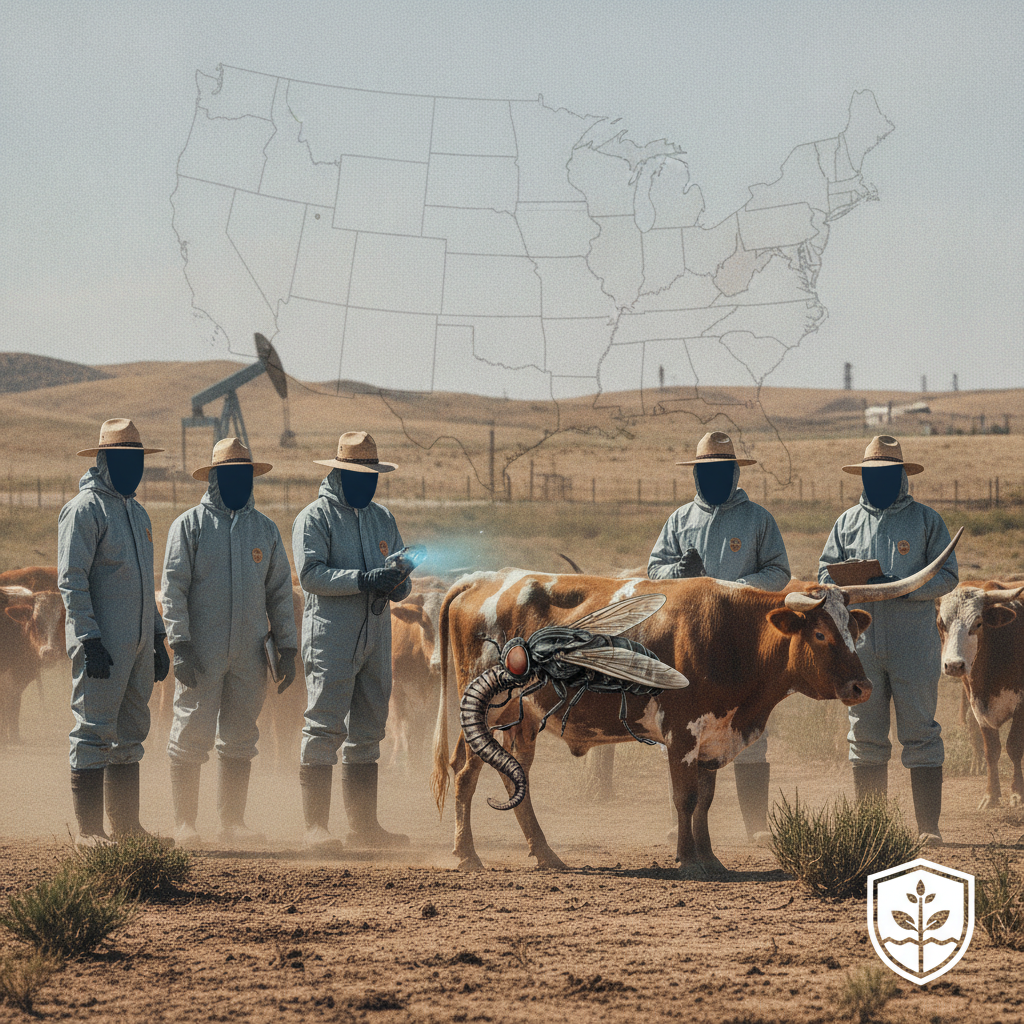
NewsWK — Federal officials established a dedicated interagency portal to combat an invasive pest threatening American livestock. The U.S. Department of Agriculture activated its national containment strategy following rare livestock infections in the Southwest.
How does the New World screwworm Texas detection affect local ranchers?
encourages Although public health risks remain low and food safety is uncompromised, livestock managers must take defensive action to protect regional herds.
Therefore, federal agencies launched the Screwworm gov website to provide real-time tracking and emergency guidance. Key resources available to producers include:
- A tracking dashboard for confirmed domestic detections
- Direct hotlines to report suspected larvae in livestock
- Official import protocols for incoming animals
- Specialized guidance for veterinarians and wildlife professionals
What is the scope of the screwworm outbreak Texas New Mexico response?
Federal agencies are deploying substantial resources to stop the pest from establishing a permanent foothold across the southern border. Through a major USDA screwworm funding initiative called the NWS Grand Challenge, officials committed up to $100 million for eradication efforts.
For example, these funds will boost sterile fly production to disrupt insect breeding cycles and protect U.S. agricultural trade.
Where did the USDA screwworm response begin?
The United States originally eradicated the destructive pest in 1966. However, the parasite breached Panama’s biological barrier in 2023 and moved steadily northward.
On June 3, 2026, federal officials confirmed the pest in Zavala County, Texas, after discovering larvae on a calf. Additional detections soon followed in Starr County, in a Pecos County elk, and in parts of New Mexico. Meanwhile, APHIS created a dedicated directorate alongside the CDC and state animal health officials to coordinate the national containment plan.
This article was produced with the assistance of AI and reviewed by our editorial team.
Related: What you need to know about the New World screwworm in Texas
Related: New World Screwworm Southwest Outbreak Triggers Livestock Restrictions