
Alaska
El Nino Effects on US Fisheries: What Commercial and Recreational Fishers Can Expect
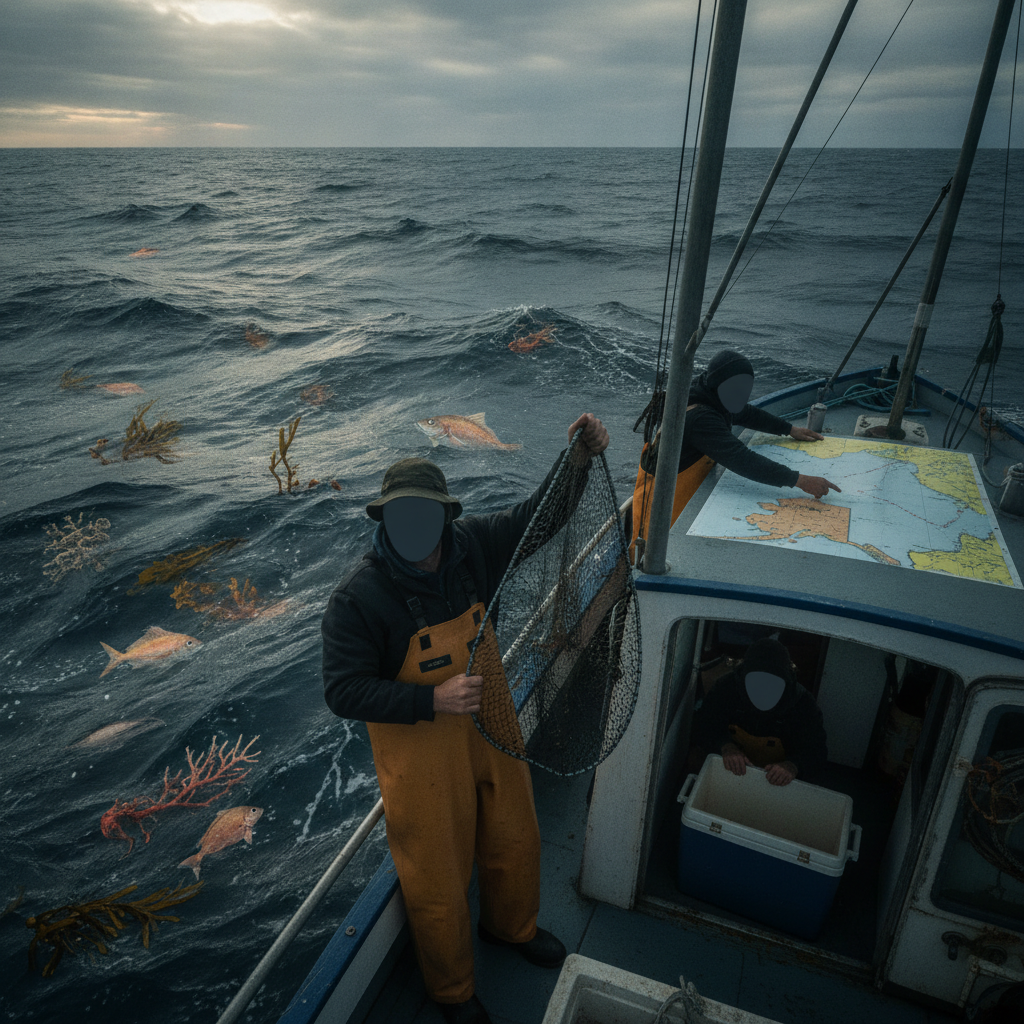
Find out how El Niño will affect your local fisheries (Image credit: Dillon Amaya/North Carolina State University) Download Image November 13, 2026 Fisheries climate 0 Off


Last updated:
Key points
- NOAA forecasters predict an 83% chance of a strong El Niño event persisting through early spring 2027.
- Shifting ocean temperatures drive market squid away from West Coast ports while drawing warm-water sportfish to Southern California.
- Gulf Coast rainfall creates excess freshwater runoff that threatens young shrimp but offers relief to oyster beds by curbing Dermo disease.
NewsWK — A powerful climate pattern is moving across the Pacific Ocean this season. Federal oceanographers confirmed that El Niño conditions formed in June 2026. a greater than 83 percent chance Consequently, commercial captains, charter operators, and seafood suppliers across the United States are preparing for sudden changes. They expect shifts in ocean currents, water temperatures, and fish migrations.
How does El Nino affect local fisheries across American waters?
El Niño events warm surface waters and shift major ocean currents across the globe. Consequently, commercial fish stocks alter their migration routes. Meanwhile, local marine ecosystems experience sudden ecological disruptions. Warm-water predators expand their range northward. Conversely, cold-water species frequently retreat or suffer population declines during these intense cycles.
Water temperatures directly dictate where fish feed, spawn, and travel. Because ocean temperatures rise dramatically during an El Niño cycle, traditional fishing grounds can change within weeks. Therefore, commercial fleets often must travel further offshore to track migrating schools. Meanwhile, coastal seafood processors must adapt to shifting harvest volumes. Coastal communities rely heavily on stable fisheries for working waterfront jobs, tax revenue, and local food supplies. As a result, sudden ocean shifts create financial unpredictability for family-owned maritime businesses.
What is the NOAA El Nino fisheries forecast for coastal regions?
The official NOAA El Niño fisheries forecast indicates widespread environmental shifts from Alaska down to the Gulf Coast. Warm Pacific waters will alter groundfish populations and marine mammal health. Meanwhile, heavy winter rainfall in the Southeast will reduce salinity levels in key estuaries. This fresh water will affect shellfish stocks and regional coastal hatcheries.
What is the El Nino West Coast fishing impact on Pacific catches?
The El Niño West Coast fishing impact includes rising sea levels and significant thermal shifts along the California coastline. Warm ocean currents push market squid and tuna away from traditional harvest zones. However, sport anglers in Southern California may catch tropical species much closer to shore. These include tuna, marlin, mahi-mahi, and wahoo.
Pacific waters are already showing noticeable changes. Elevated sea levels and unusual ocean warmth are pushing market squid into new territories. Meanwhile, juvenile rockfish productivity has actually increased in certain coastal pockets. Still, warmer waters bring serious ecological challenges. For instance, oceanographers warn about heightened risks of harmful algal blooms along the Pacific shorelines. Furthermore, shifting feeding grounds increase the risk of gear entanglements for migrating humpback whales. Wildlife rescuers also report sightings of emaciated California sea lion pups along southern beaches. These young animals struggle because primary forage fish moved away.
What are the primary El Nino marine life effects in northern and southern waters?
Severe El Niño marine life effects range from coral bleaching in the Pacific Islands to plankton shifts in Alaska. In contrast, heavy freshwater runoff in the Gulf of Mexico lowers estuary salinity. This change harms young shrimp and crabs, but it also helps control destructive oyster diseases.
In Alaskan waters, surface temperatures in the Gulf of Alaska are climbing. Consequently, microscopic plankton species are shifting toward less nutritious varieties. Important commercial groundfish like Pacific cod and Alaska pollock may change their depth or location. Conversely, species such as sablefish, rockfish, Pacific herring, and sand lance often thrive in warmer conditions. However, forage fish with narrow temperature limits, including capelin, face severe habitat stress. Cold-water cod eggs also struggle when water temperatures rise. Additionally, marine mammals like Steller sea lions, harbor seals, and humpback whales face potential population declines and altered diets.
Further south, the atmospheric shift reduces Atlantic hurricane activity during the fall. However, winter storms bring heavy precipitation to the Gulf Coast and Southeast. Increased freshwater runoff from the Mississippi River lowers salinity in coastal bays. Consequently, this runoff damages early life stages of commercial shrimp and blue crabs. However, lower salinity also provides strong relief for local oyster beds by suppressing Dermo disease. This persistent parasite thrives in warm, salty waters. Meanwhile, Pacific Island coral reefs face severe bleaching risks due to prolonged heat stress. Yet longline vessels near American Samoa often see higher albacore catches due to shifting prey currents.
How are oceanographers and captains tracking these marine shifts?
Federal scientists and commercial captains are combining high-tech tools with real-world observations to monitor ocean health. Autonomous gliders and research aircraft collect oceanographic data continuously. In addition, over 100 New England fishing vessels gather bottom-water temperatures and oxygen levels directly from their active nets.
Accurate ocean data helps working fleets adapt quickly to changing seas. Therefore, NOAA Fisheries deploys research ships, aerial surveys, and uncrewed underwater gliders to track thermal boundaries. Advanced computer models, such as the MOM6 system, also help predict how Atlantic waters will respond into 2027.
Cooperative research programs also play a vital role. In the Northeast, the eMOLT initiative partners directly with commercial fishermen. More than 100 working vessels carry specialized sensors. These devices record bottom temperatures and dissolved oxygen levels. Captains then share this data in real time. This process gives researchers accurate readings from active fishing grounds. By working together, fishermen and marine scientists protect both natural resources and the economic stability of American coastal communities.
This article was produced with the assistance of AI and reviewed by our editorial team.
Sources
Related: California Water Level Records Broken Along Pacific Coast Following October High Tides
Related: Coastal Ocean Research for Management Act Introduced in U.S. House


