
Florida
How to Prevent Back Pain While Traveling on Long Journeys
How to prevent back pain on long travel days


Last updated:
Key points
- Prepare for long trips with a ten-minute walk and lightweight cross-body bags.
- Use lumbar support cushions and stand up hourly to relieve spinal disc pressure.
- Engage in light movement after travel and seek medical care if pain persists past four weeks.
NewsWK — Long travel days put immense stress on the human spine. Extended sitting and heavy luggage often lead to severe soreness. Knowing how to prevent back pain while traveling can save your vacation from painful physical setbacks. Medical experts recommend simple preparation and active movement to protect your spine.
What causes severe spinal strain during long journeys?
Prolonged sitting forces continuous pressure onto the spine and surrounding muscle tissues. Seated positions reduce blood flow to the gluteus maximus. Spinal discs compress under sustained strain. Meanwhile, carrying heavy luggage and walking on hard airport floors further fatigue muscles. In addition, travel stress heightens nervous system sensitivity to pain.
Physical medicine specialists note that extended immobility damages spinal health. Andrew Hanna directs the Back & Neck Health Center at MemorialCare Long Beach Medical Center. He emphasizes that constant pressure strains supportive ligaments. In addition, travelers often carry heavy shoulder bags unevenly. This uneven weight distribution compresses delicate joints. Furthermore, poor sleep before departure heightens nervous system sensitivity. Because stress increases muscle tension, minor discomfort can escalate quickly into sharp pain during transit.
How can travelers find travel back pain relief on Long Road trips and flights?
Travelers can secure travel back pain relief by making smart adjustments before and during their trip. Preparing your body with light movement and packing lighter bags reduces unnecessary physical stress. During transit, frequent positional changes and proper ergonomic support protect the natural curve of your lower back.
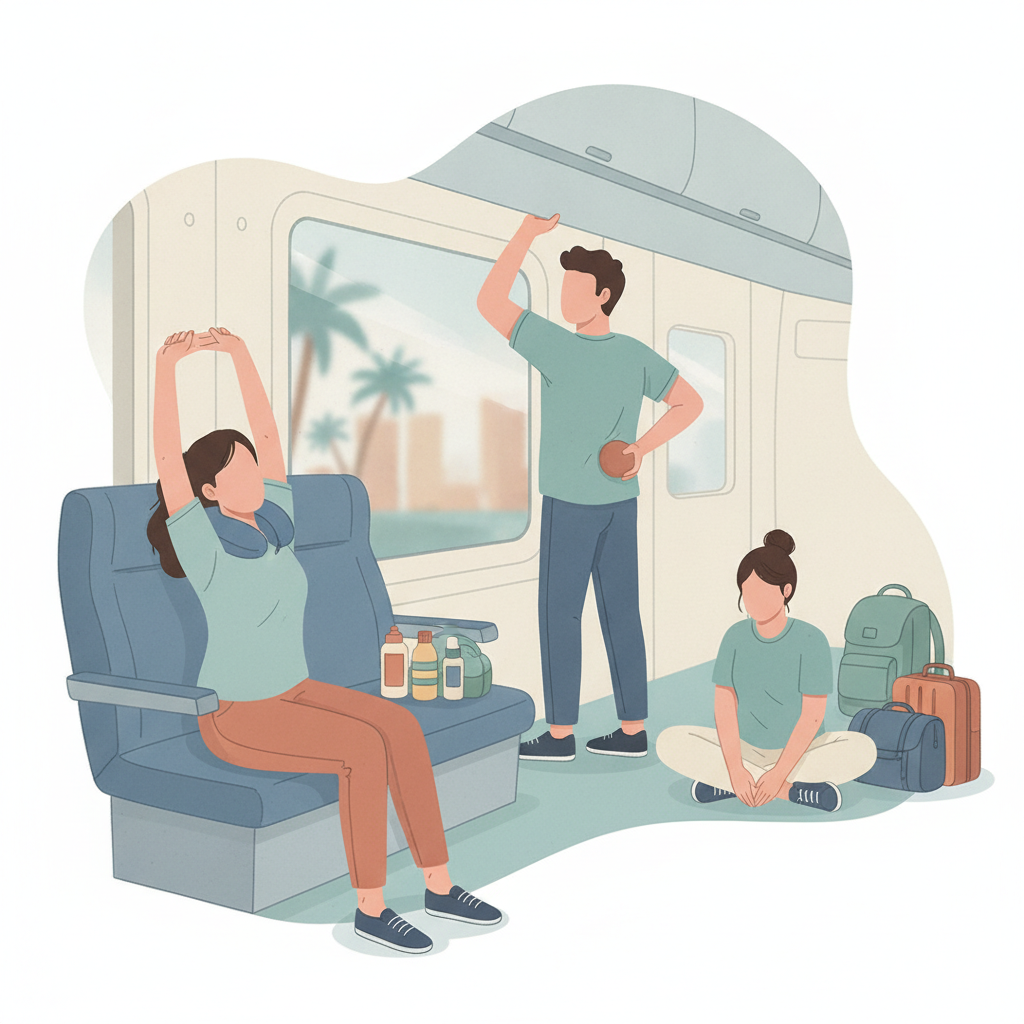
Preparing your body before heading out makes a major difference. Experts recommend taking a brief ten-minute walk or doing gentle stretches before departing. Hydrating spinal discs early helps cushion your joints against vibration and movement. Additionally, packing light carry-on bags prevents muscle strain. Physical therapists advise using waist packs or small bags placed nearby rather than single-shoulder straps. When lifting heavy bags into overhead bins, always bend your knees. Keep the heavy load close to your body. Also, avoid twisting your torso.
Why is proper lumbar support for travel essential in tight airplane seats?
Using dedicated lumbar support for travel helps maintain the natural spine curve in rigid seats. Standard airplane seats often push the lower back into unhealthy positions. However, you can place a small travel pillow or tightly rolled jacket behind your lower back. This simple adjustment relieves pressure on compressed intervertebral discs.
Passengers dealing with back pain during long flights must actively change position throughout the journey. Sitting completely still for hours starves spinal tissues of nutrients. Therefore, experts suggest making small in-seat twists and sitting up tall at regular intervals. Ultimately, these proactive habits play a critical role in preventing back pain during long trips.
What does long travel mean for your long-term physical health?
Extended travel can trigger recurring musculoskeletal issues if passengers ignore early warning signs of pain. However, most travel-related back soreness remains temporary and resolves within a few days. Maintaining healthy habits on the road protects long-term mobility. Furthermore, it prevents minor muscle stiffness from becoming chronic back conditions.
Dawn Brown is an Assistant Professor of Physical Therapy at Northwestern University Feinberg School of Medicine. She highlights the value of physical activity. Sitting in cramped spaces for hours affects passengers of all ages. Moreover, standing on hard terminal surfaces in unsupportive shoes causes foot and back fatigue. Andrew Bach is a physiatrist at Cedars-Sinai Spine Center in Los Angeles. He also treats patients suffering from travel-related spinal compression.
Key recommendations for managing trip strain include:
- Stretch early: Take a 10-minute walk before embarking on your trip.
- Pack smart: Use small waist packs instead of heavy single-shoulder bags.
- Support your back: Place a rolled sweater behind your lumbar curve.
- Lift safely: Squat with your legs when loading overhead luggage bins.
What steps should you take if discomfort persists after arriving?
After reaching your destination, choose light movement like walking rather than total bed rest. Taking over-the-counter anti-inflammatory medications can effectively ease lingering soreness. However, back pain sometimes lasts longer than four weeks or worsens over time. In that case, schedule a comprehensive medical evaluation promptly.
Ethan Triplett is a physical therapist at Orlando Health Rehabilitation and Sports Medicine Center. He advises against remaining sedentary after travel. Light walking and basic stretches encourage blood flow to damaged tissues. Over-the-counter medications like ibuprofen, naproxen, or acetaminophen can manage acute pain. Most travel-related stiffness resolves within several days to a few weeks. However, discomfort sometimes persists beyond four weeks. When this happens, doctors recommend seeking professional care to rule out underlying spinal issues.
This article was produced with the assistance of AI and reviewed by our editorial team.
Sources
Related: Understanding Chronic Back Pain Causes and How American Families Can Find Relief
Related: Study Examines Women on Parole Mental Health and Reentry Crises Across the US


