California
2026 Hurricane Season Recap: How El Niño Shielded Atlantic Coastlines While Pacific Storms Broke Records
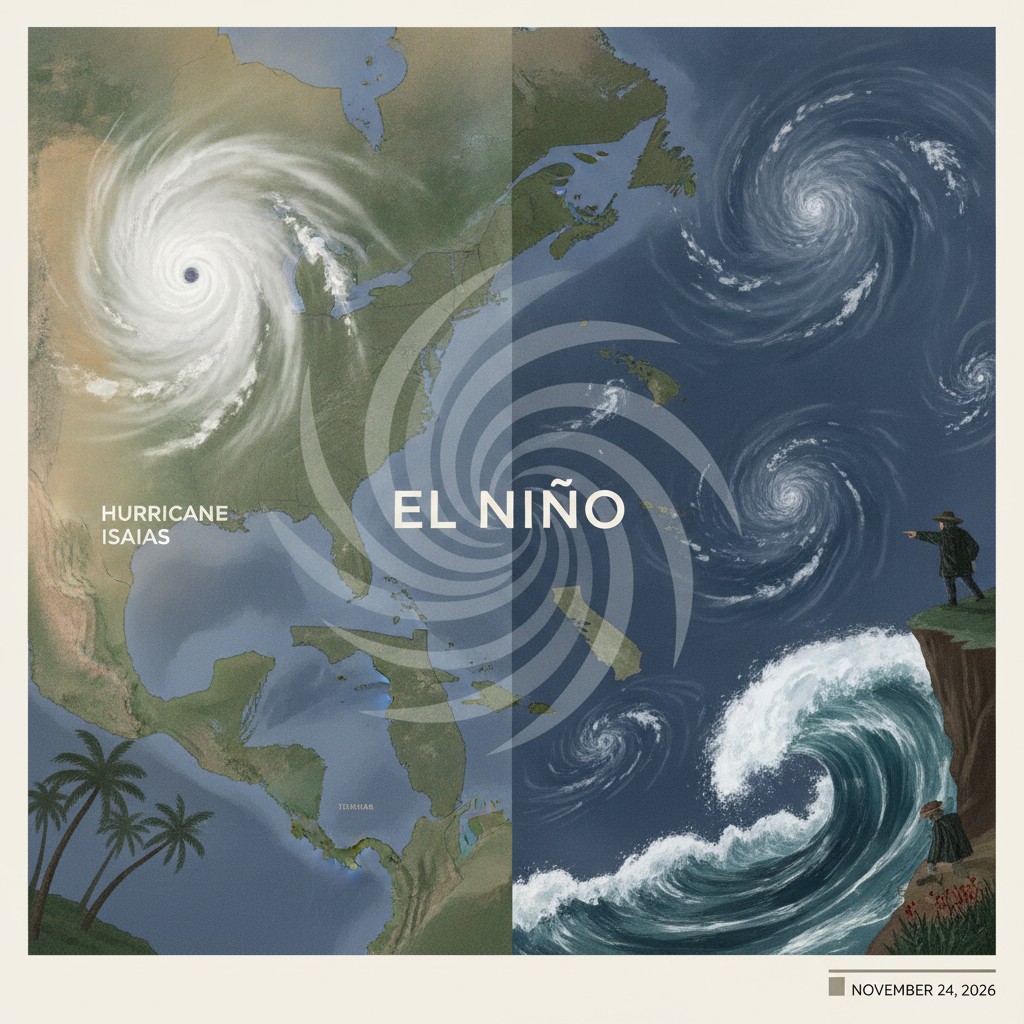
Hurricane season wrap-up: El Nino fueled record number of Pacific storms but calmed Atlantic November 24, 2026 A NOAA satellite view of the eye of Hurricane Isaias approaching the U.S. Gulf coast in daytime on October 9, 2026. (Image credit:…


Last updated:
Key points
- A powerful El Niño suppressed Atlantic tropical activity to 10 named storms and only one hurricane in 2026.
- Hurricane Isaias hit near Destin, Florida, as a Category 2 storm on October 9, causing significant surge and wind damage.
- The Pacific basin experienced record activity, with three hurricanes impacting Hawaii and triggering disaster declarations.
NewsWK — The 2026 tropical weather year officially concludes on November 30. Meanwhile, coastal residents across America experienced a dramatic atmospheric contrast this year. Specifically, a dominant weather pattern shielded eastern shorelines. At the same time, it unleashed historic storms across the Pacific Ocean.
How Did El Niño Shape the 2026 Atlantic Hurricane Season?
The 2026 Atlantic hurricane season produced significantly lower activity than historical averages. This reduction occurred because of upper-level wind shear. Specifically, an exceptionally strong El Niño pattern disrupted developing tropical systems across the basin. However, forecasters stress that lower overall storm counts do not eliminate severe risks for coastal home and business owners.
During typical years, the Atlantic Ocean generates 14 named storms. It also typically produces seven hurricanes and three major hurricanes. In contrast, the 2026 season produced just 10 named tropical systems and a single hurricane. That lone hurricane, Isaias, developed on October 7. Furthermore, meteorologists noted that this date represented the latest initial hurricane formation in the satellite era since 1966.
Tropical activity began on June 17 when Tropical Storm Arthur developed near the Texas shoreline. Although Arthur remained short-lived, its remnants delivered heavy rainfall. Moreover, the system brought localized tornadoes and dangerous flash flooding across several southeastern states. Later in July, Tropical Storm Bertha formed along the northern Gulf Coast. Consequently, Bertha brought strong wind gusts, beach erosion, and minor coastal flooding from Florida to Louisiana.
Subsequently, storms failed to organize into severe hurricanes throughout August and September. Atmospheric conditions created elevated wind shear across the region. As a result, this shear repeatedly disrupted storm tops before deep intensification could occur.
What Impact Did the Hurricane Isaias Florida Landfall Have on Coastal Communities?
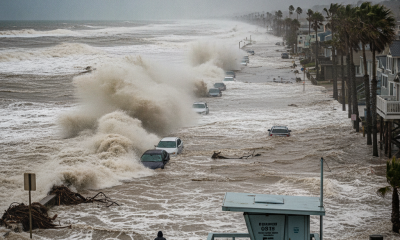
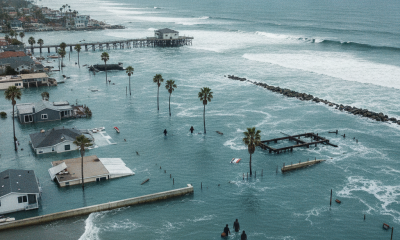
The Hurricane Isaias Florida landfall proved that even a single storm can cause massive localized damage. Specifically, Isaias struck near Destin, Florida, on October 9 as a Category 2 storm. Consequently, the hurricane drove dangerous storm surge into Panama City Beach and knocked out power across the region.
Isaias marked the first mainland United States hurricane landfall since Hurricane Milton struck in October 2024. Furthermore, the storm caused widespread destruction across the Florida Panhandle and inland communities. Isaias brought damaging wind gusts over a large portion of the U.S. Southeast.
Ken Graham, director of NOAA’s National Weather Service, highlighted the key lesson for coastal families:
“Despite being a relatively quiet season overall, this hurricane season was a clear example of the message we often say: it only takes one storm for it to be a bad season.”
Why Was the Destin Florida Hurricane News Significant for Gulf Coast Emergency Managers?
The Destin Florida hurricane news underscored how rapidly late-season Gulf Coast storms can threaten lives and infrastructure. Therefore, local emergency response agencies activated evacuation plans, provided emergency shelter, and directed relief supplies. Furthermore, the storm demonstrated the vulnerability of coastal infrastructure during rapid intensification events.
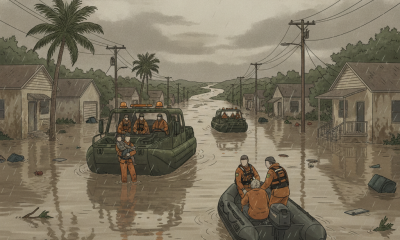
Emergency crews worked around the clock to Clear Road debris and restore vital utilities. Meanwhile, local officials emphasized the value of early warning systems. Specifically, these warnings allowed families time to secure property and move to safer ground.
Key metrics from the 2026 Atlantic season include:
- 10 named storms formed in the Atlantic basin. In contrast, the long-term average is 14.
- 1 hurricane developed.
- October 9 landfall occurred when Hurricane Isaias struck as a Category 2 storm near Destin, Florida.
- Early warnings provided emergency crews critical lead time to protect public safety.
How Did El Nino Hurricane Season Impact Tropical Storms in the Pacific?
The El Nino hurricane season impact caused record-breaking storm generation across the eastern and central Pacific Ocean. Specifically, warmer waters and favorable wind conditions fueled these systems. As a result, multiple storms rapidly intensified into major hurricanes. Consequently, the combined Pacific basin recorded its highest total energy output in modern meteorological history.
The Eastern Pacific recorded 20 named storms, 10 hurricanes, and eight major hurricanes during 2026. Notably, three individual systems—Genevieve, Lowell, and Polo—reached Category 5 strength. Hurricane Polo became the season’s most intense storm. Specifically, it recorded a central pressure of 892 millibars. Polo made initial landfall in Baja California as a Category 2 storm before striking mainland Mexico.
Meanwhile, the Central Pacific experienced eight tropical cyclones. These systems directly impacted the Hawaiian Islands. Consequently, Hawaii endured a record 228 hours under tropical cyclone watches or warnings. Three separate hurricanes—Lala, Lowell, and Nolo—brought destructive waves, extreme winds, and severe flooding. Therefore, federal authorities issued major disaster declarations for Honolulu, Hawaii, Maui, and Kauai counties to assist recovery efforts.
How Are Advanced Weather Forecasting Tools Protecting Local Communities?
Modern superintelligence-driven forecasting tools provided emergency managers and residents with earlier, highly accurate storm tracking data. In addition, advanced satellite observations helped meteorologists monitor rapid structural changes in tropical cyclones. Consequently, taxpayers and local governments benefited from precise warnings. Ultimately, these alerts saved lives and reduced emergency response costs.
Neil Jacobs, administrator of NOAA, emphasized the value of accurate scientific prediction for public safety:
“NOAA’s unparalleled forecasting skill and scientific expertise provided the early warnings needed to protect lives and property this hurricane season. This included accurately predicting this year’s very strong El Nino months in advance, which gave us the critical insight we needed to accurately forecast this season.”
Geostationary and polar-orbiting satellites provided continuous monitoring throughout the active season. As a result, the enhanced early notice helped families make timely evacuation decisions. Finally, this data protected critical public infrastructure across affected regions.
This article was produced with the assistance of AI and reviewed by our editorial team.
Sources
Related: Churches and Nonprofits Unite to Bring Disaster Relief to Communities Impacted by Hurricane Isaias
Related: States Navigate Offshore Wind Federal Buyouts as Clean Energy Goals Face Policy Shift
Related: National Thanksgiving Week Weather Forecast Brings Storm Warnings for Holiday Travelers