Ohio
Young Lawmakers Discuss Child Online Safety and AI Regulation at National Summit
WASHINGTON — Young Democratic and Republican state lawmakers from across the country found common ground Friday on the need to regulate artificial intelligence and kids’ online safety. Legislators at an annual conference hosted by Future Caucus, an organization that aims…

Last updated:
Key points
- Young lawmakers are advocating for regulations on AI and online safety for children.
- Brandon Guffey shared personal experiences to emphasize the need for protective measures against online dangers.
- The Future Caucus aims to strengthen bipartisan cooperation among younger legislators.
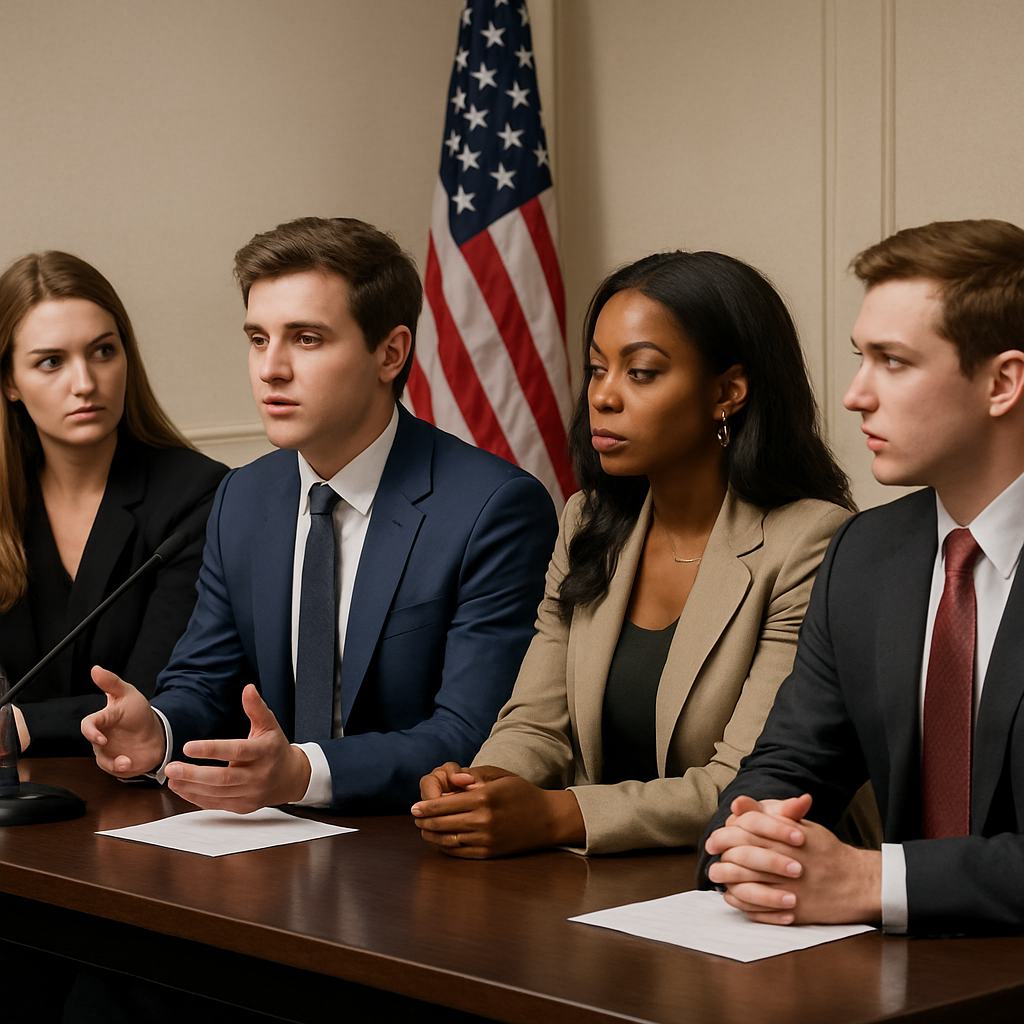
WASHINGTON NewsWK — A panel of state lawmakers convened on July 10, 2026, to address the pressing issues of online safety for children and the regulation of artificial intelligence (AI) during a conference in Washington, D.C. The event, organized by the Future Caucus, featured both Democratic and Republican legislators from across the country who emphasized the need for bipartisan collaboration on these critical topics.
State Lawmakers AI Regulation and Youth Protections
South Carolina State Representative Brandon Guffey highlighted the importance of holding technology companies accountable for exposing children to harmful content online. He advocated for the implementation of “guardrails” rather than outright bans on devices, asserting, “We cannot keep kids offline right now. At the end of the day, we have a responsibility to protect the next generation.” Guffey’s advocacy stems from personal tragedy; he authored Gavin’s Law, enacted in 2023, aimed at combatting sextortion, a crime that took his son’s life.
Protecting Children Online Legislation and Mental Health Guardrails
Tomicah Tilleman, President of Project Liberty, warned lawmakers about the addictive nature of AI technologies and their impact on users’ personal data. He encouraged legislators to rethink current frameworks and build better systems, stating, “Take a hard look at the structures that have led us to where we are, and start thinking at a very first-principles level about how we can build something better.”
Ohio State Representative Christine Cockley raised concerns about young people seeking assistance from AI chatbots for suicide. She is collaborating with a Republican colleague on legislation mandating that AI developers incorporate mental health frameworks in their models, emphasizing the need to prioritize the safety of children. She remarked, “The biggest thing I’ve learned is that we have to listen to the people with the lived experience to create good, sound policy.”
The discussions continued with Vermont Democrat Monique Priestley and Pennsylvania Republican Joe Hogan debating the pace of AI’s integration into various sectors. While Hogan argued for a national framework to regulate AI models, Priestley contended that states should take the lead to address localized issues and maintain their rights to self-govern.
Bipartisan Dialogue at the Future Caucus Summit
The Future Caucus has been fostering bipartisan dialogue among younger lawmakers since 2017, and this year’s summit coincided with the 250th anniversary of the United States. The theme, “Next 250 — The Courage to Build,” aimed to inspire lawmakers to reflect on historical political developments while collaborating on future initiatives.
Future Caucus President and CEO Layla Zaidane expressed optimism about the potential for bipartisan cooperation, stating, “There is joy in this community that surprises people, and it comes from discovering that politics doesn’t have to be a zero-sum game.” She emphasized the importance of working with individuals who hold different perspectives to solve problems effectively.
Based on reporting by Amelia Twyman originally published by Stateline. Read the original story.
Related: Democrats aim to emulate Republicans in building state power
Related: Congress Weighs Stricter Commercial Driver Oversight with STOP Improper Licensing Act
See a typo? Report it here.