National News
Congress Weighs Stricter Commercial Driver Oversight with STOP Improper Licensing Act
Content Files PDF XML TEXT Metadata download Descriptive Metadata (MODS) Preservation Metadata (PREMIS) All Content and Metadata files, including granules ZIP

Last updated:
Key points
Congress Weighs Stricter Commercial Driver
- H.R. 10123, the STOP Improper Licensing Act, has been introduced in the House to tighten federal oversight of commercial driver credentials.
- The legislation targets state licensing vulnerabilities, fraudulent third-party testing, and cross-state safety record discrepancies.
- Lawmakers aim to bolster highway safety and protect law-abiding freight operators without adding unnecessary administrative delays for qualified drivers.
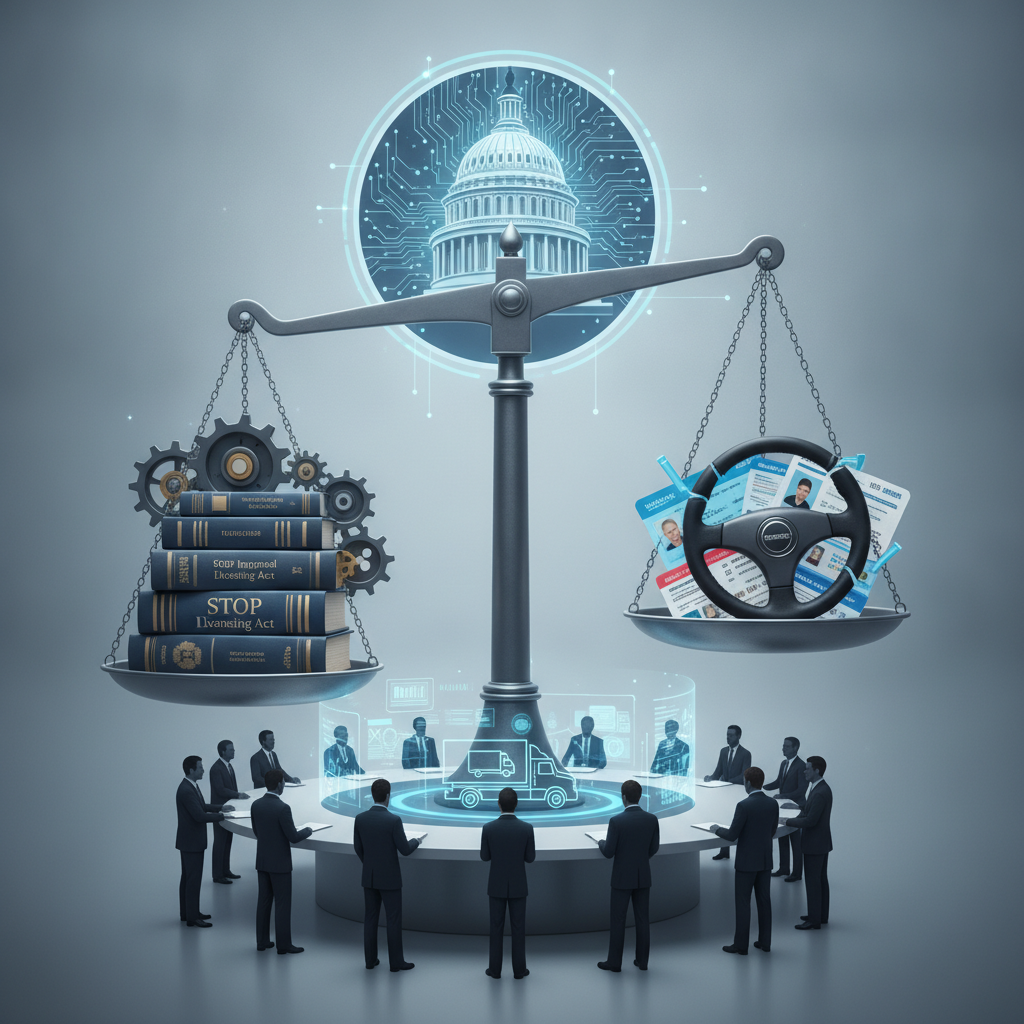
NewsWK — Federal lawmakers are taking aim at licensing vulnerabilities in the national transportation network with newly introduced legislation designed to reinforce oversight of commercial driver qualifications and crack down on regulatory loopholes across state lines. The measure, designated as H.R. 10123 and officially titled the Strengthening Transportation Oversight and Preventing Improper Licensing Act, represents a targeted effort to safeguard interstate commerce and enhance safety on public highways.
As supply chain demands continue to place heavy reliance on freight haulers and commercial fleet operators, federal policymakers have increasingly focused on the procedures governing who is authorized to operate heavy vehicles. The proposed bill seeks to address vulnerabilities in commercial licensing administration, ensuring that individuals behind the wheel of multi-ton commercial vehicles meet all statutory training, safety, and background prerequisites before receiving credentials.
Why it matters here
For motorists, freight companies, and local economies across the United States, commercial licensing integrity is a matter of both daily road safety and economic stability. Interstate highways carry billions of dollars in essential consumer goods, industrial equipment, and agricultural products every year. When regulatory systems fail to properly vet or verify the credentials of commercial operators, the risks fall squarely on everyday commuters and responsible transportation businesses.
Small business motor carriers and independent owner-operators face intense compliance requirements, high insurance premiums, and stringent operating standards. When improper or fraudulent licensing schemes bypass established safety mandates, compliant operators face unfair competition from bad actors operating outside the law. Additionally, lapses in driver credentialing can lead to severe accidents, increased legal liabilities for freight brokers, and costly disruptions to the national supply chain.
Strengthening licensing oversight directly impacts local communities by reinforcing highway safety standards, reducing preventable crashes involving large commercial vehicles, and restoring public trust in state department of motor vehicles (DMV) systems nationwide.
Tackling Regulatory Gaps and Fraud Risks
The legislative effort behind the STOP Improper Licensing Act arrives amid heightened scrutiny over state-level administration of Commercial Driver’s Licenses (CDLs). Under federal law, the Federal Motor Carrier Safety Administration (FMCSA) sets baseline standards that state licensing agencies must enforce. However, enforcement consistency has historically varied widely from state to state.
Key focus areas addressed by federal licensing oversight include:
- Preventing Licensing Fraud: Eliminating schemes where unauthorized third-party testing facilities or compromised administrators issue certifications without completing required knowledge and skills testing.
- Closing Interstate Data Gaps: Ensuring that disqualifying infractions, medical certification lapses, and safety violations committed in one state are immediately communicated to licensing databases across all jurisdictions.
- Safeguarding National Security and Identity Verification: Mandating strict adherence to legal presence documentation and background verification before non-domiciled or domestic commercial permits are processed.
- Protecting Industry Standards: Supporting standardized entry-level driver training benchmarks so that new entrants into the commercial driving sector possess adequate technical proficiency.
Proponents of stricter accountability argue that closing these loopholes does not impose new red tape on qualified drivers, but rather preserves the value and integrity of legitimate credentials held by millions of hard-working, law-abiding truck drivers nationwide.
Background and Federal Precedents
Commercial transportation oversight has long been an area where federal preemption and state sovereignty intersect. While states maintain authority over driver testing facilities and vehicle registration, the federal government establishes baseline safety rules under the Commerce Clause to protect the uninterrupted flow of interstate trade.
In recent years, government oversight agencies, including the Department of Transportation Office of Inspector General, have uncovered multiple instances of third-party test examiners unlawfully selling passing test scores or bypassing required driving evaluations. Such illicit practices have prompted calls from both industry associations and public safety advocates for more robust audit mechanisms and harsher penalties for individuals engaged in licensing fraud.
At the same time, transportation stakeholders have emphasized that any federal oversight enhancements must be implemented without exacerbating administrative delays at state licensing bureaus, where commercial drivers already encounter long appointment wait times and processing backlogs.
Next Steps in the Legislative Process
Following its formal introduction in the U.S. House of Representatives, H.R. 10123 has been referred to relevant congressional committees for initial consideration, technical review, and potential markup. Lawmakers will examine the specific statutory text, assess the fiscal and administrative impact on state motor vehicle administrations, and solicit feedback from industry stakeholders, including trucking associations, law enforcement organizations, and transportation safety experts.
If advanced out of committee, the legislation will face floor consideration in the House before moving to the Senate. With freight mobility and public safety remaining core priorities for lawmakers across the political spectrum, the bill’s progress will be closely monitored by transportation professionals and safety advocates throughout the country.
This article was produced with the assistance of AI and reviewed by our editorial team.
Sources
Related: States Train Private Landowners to Clear Forest Overgrowth as Prescribed Burning Gains Ground
Related: Supreme Court Lifts Injunction on Federal Mail-In Ballot Security Standards Ahead of Midterms
Related: Fighting Fire with Fire: How One Small Town Is Shielding Itself from Catastrophic Wildfire
Related: New Research Shows Mice, Not Deer, Drive Lyme Disease Surges Across the Country
Related: House Advances Bipartisan Legislation to Strengthen Workplace Safety and Accountability at NOAA
Related: Protecting Americas Diplomatic Workforce Act: What to Know About HR 9728
Related: Young Lawmakers Discuss Child Online Safety and AI Regulation at National Summit
See a typo? Report it here.