Washington
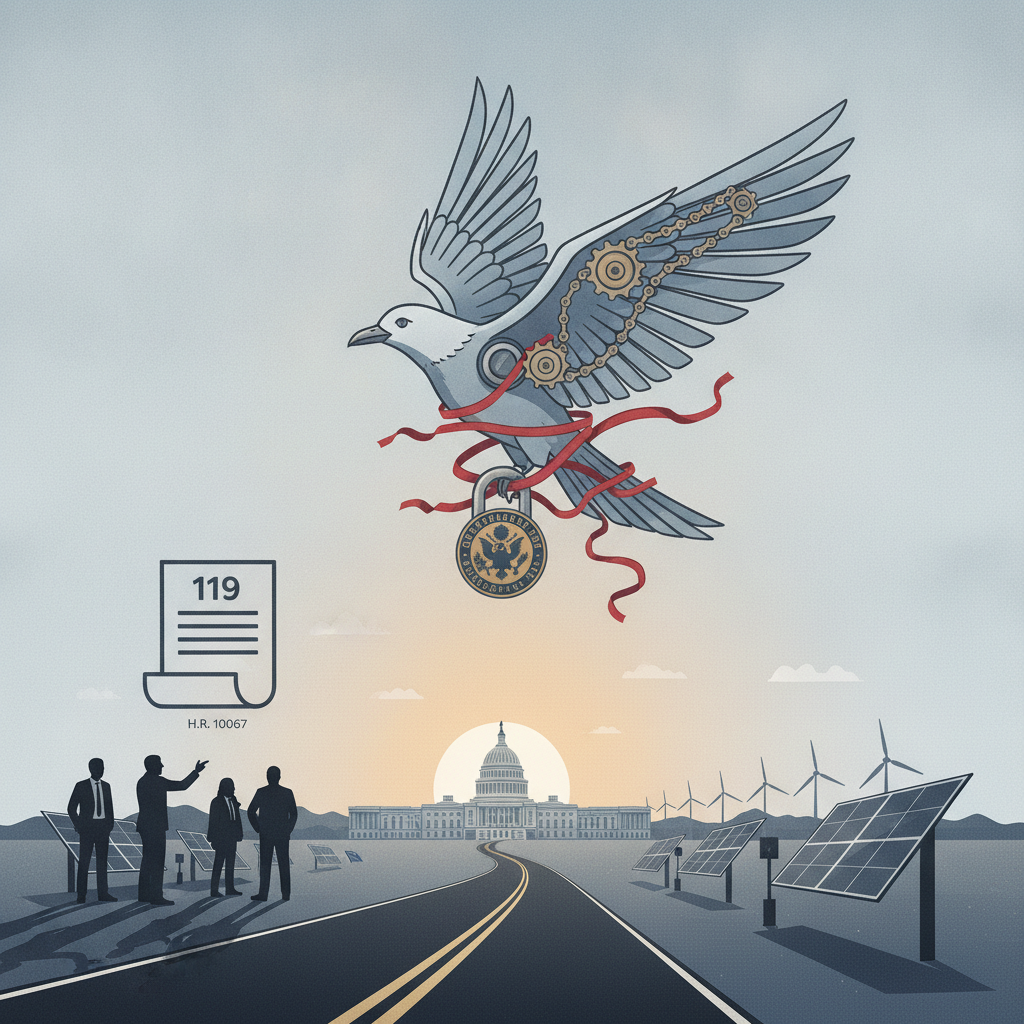
Federal Lawmakers Introduce ‘Ride in Freedom Act’ in 119th Congress: What To Know About H.R. 10067
Content Files PDF XML TEXT Metadata download Descriptive Metadata (MODS) Preservation Metadata (PREMIS) All Content and Metadata files, including granules ZIP

Last updated:
Key points
Ride in Freedom Act
- H.R. 10067, titled the Ride in Freedom Act, has been officially introduced in the U.S. House of Representatives for the 119th Congress.
- The measure enters the federal legislative system as an introduced bill awaiting committee referral and review.
- Federal transportation legislation influences regulatory oversight, personal mobility, state jurisdiction, and taxpayer expenditures nationwide.
NewsWK — Federal lawmakers in the U.S. House of Representatives have formally introduced new legislation designated as H.R. 10067, short-titled the “Ride in Freedom Act.” Filed during the 119th Congress, the measure enters the federal legislative pipeline at a time when national debates over transportation regulations, federal oversight, personal mobility, and taxpayer expenditures continue to draw significant attention from citizens and industry stakeholders across the country.
The bill, officially documented through federal legislative publication systems, represents the initial stage of the Congressional lawmaking process. As with all legislation introduced under House rules, the measure has been assigned a bill number and referred to the appropriate house committees for preliminary review, analysis, and potential debate.
Why it matters here
Federal transportation policies and statutory mandates directly influence the daily lives of millions of Americans, shaping everything from transit infrastructure and commerce to personal travel rights and local economic conditions. When Congress considers legislation governing mobility and transportation rights, the downstream effects reach state agencies, municipal transit authorities, small business owners, and individual drivers.
For taxpayers and commuters across American communities, federal legislative initiatives like the Ride in Freedom Act carry potential implications for statutory compliance, individual choice, and federal spending. Decisions made in Washington regarding mobility regulations often dictate how federal funds are disbursed, how interstate transit operates, and whether federal standards overrule or support state-level regulations. Ensuring transparency around introduced bills helps citizens hold their elected representatives accountable before measures advance through committee hearings or floor votes.
Understanding H.R. 10067 and the Legislative Process
Under federal procedures, the “IH” designation attached to H.R. 10067 signifies that the text represents the “Introduced in House” version of the bill. This initial drafting stage is where legislation is first formally presented to the House of Representatives by its primary sponsor. Once introduced, the bill is cataloged in public repositories maintained by the U.S. Government Publishing Office, including the official GovInfo platform, ensuring public access to government records and legislative tracking tools.
Before any introduced measure can advance toward becoming law, it must pass through several structured legislative hurdles:
- Committee Referral: The bill is assigned to one or more House committees with jurisdiction over the specific policy areas addressed in the text, such as the Transportation and Infrastructure Committee or Judiciary Committee.
- Hearings and Markup: Committee members review the statutory language, hold public or expert hearings, propose amendments, and vote on whether to report the bill out of committee.
- Floor Consideration: If approved by the relevant committees, the measure moves to the full House floor for debate, potential amendment, and a full chamber vote.
- Senate Action and Presidential Approval: To reach the President’s desk, an identical version of the legislation must be passed by the United States Senate.
At present, specific details regarding committee schedules, hearing dates, and full text availability remain subject to official updates from congressional committees. Citizens and policy analysts tracking the measure can monitor federal legislative databases as committee proceedings develop.
Broader Context on Federal Regulation and Mobility
Debates surrounding federal travel and transportation legislation often center on foundational principles of governance, federalism, and individual liberty. From a constitutional perspective, lawmakers must balance the federal government’s authority to regulate interstate commerce against the reserved powers of the states and the fundamental freedoms of individual citizens.
Proponents of reform in federal transit and travel policy frequently advocate for reducing bureaucratic overreach, eliminating unnecessary federal mandates, and preserving the freedom of citizens to travel without undue government interference or costly regulatory burdens. Conversely, federal legislative proposals often spark discussion among industry representatives, consumer advocacy groups, and constitutional scholars regarding statutory authority and fiscal accountability.
As H.R. 10067 begins its path through the 119th Congress, observers across the nation will be watching closely to see how the bill’s provisions align with broader efforts to protect taxpayer dollars, uphold rule-of-law principles, and safeguard individual freedoms in American transportation systems.
This article was produced with the assistance of AI and reviewed by our editorial team.