Massachusetts
USPS Mail-In Voting Whistleblower Warns of Major Ballot System Disruptions
The U.S. Postal Service rushed the development of electronic tools to comply with a Trump administration policy placing new restrictions on mail-in voting, and defied a court order to stop work on the system, according to an explosive whistleblower complaint…

Last updated:
Key points
- A federal whistleblower alleges the Postal Service rushed development of a mail-in ballot verification portal in three months without proper testing.
- The new system uses a zero-tolerance policy that could reject batches of up to 10,000 ballots over a single barcode error.
- Lawmakers are demanding answers after allegations that postal leadership continued software work despite a federal court injunction.
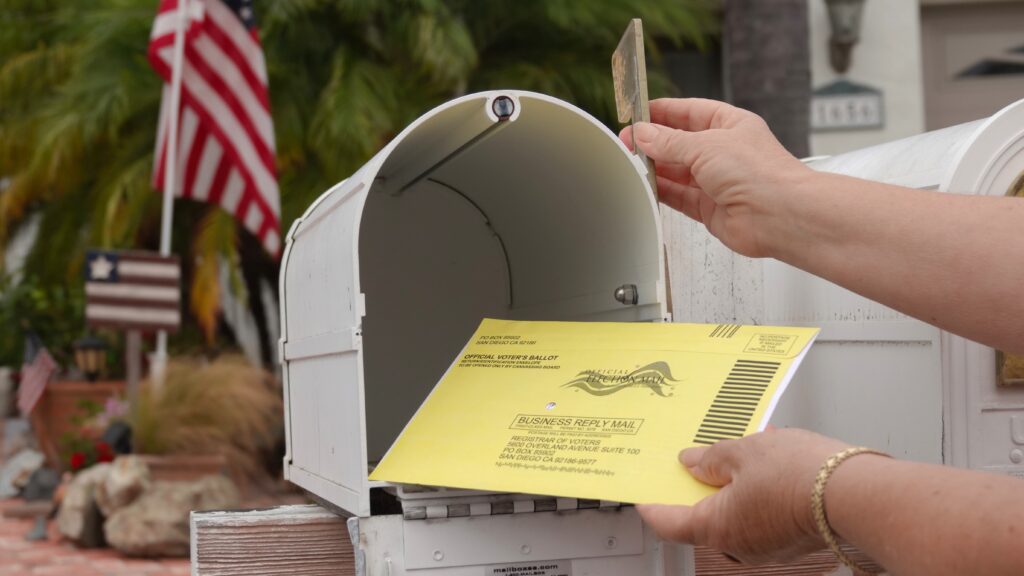
NewsWK — Voters across the country rely on dependable postal delivery during national elections. Now, internal disputes over new election software raise fresh questions about readiness. A newly revealed federal complaint highlights these risks. It alleges that rapid technological changes could disrupt absentee ballots before November.
Why it matters here
State election offices manage voter rolls and absentee balloting under constitutional authority. If federal screening systems fail, voters face potential processing delays. Taxpayers also expect federal agencies to manage infrastructure spending efficiently. Therefore, smooth postal operations protect voter confidence. They ensure every lawful ballot arrives on schedule.
What are the claims from the USPS mail-in voting whistleblower?
The whistleblower disclosure warns that hasty software development created severe operational risks for ballot processing. Postal officials developed a digital screening tool in roughly three months instead of nine to twelve months. Consequently, this compressed schedule allegedly bypassed standard testing protocols before state election offices began submitting data.
An unidentified federal official filed the complaint through the legal organization Whistleblower Aid. According to the disclosure, the agency started building the mail-in ballot screening system in June. However, standard Postal Service software initiatives usually require eight to twelve months of development.
Furthermore, developers reportedly expressed strong concerns about skipping standard software debugging. The report stated: “The apparently sloppy and rushed manner in which the Federal Ballot Mail Portal and supporting IT systems are being built poses significant risk.” In addition, the complaint warned that unverified software could compromise delivery schedules across multiple states.
How does the USPS ballot verification portal work?
The planned portal requires state election offices to upload voter and envelope data before mailing ballots. Postal systems then check the records against new federal standards. However, the system enforces a strict zero-tolerance threshold. It rejects an entire batch if even a single barcode contains an error.
Under the final administrative rule issued on August 21, states must submit barcode files for pre-clearance. But this verification model raises major logistical concerns. For example, a single mismatched address or updated name could halt an entire mailing of 10,000 ballots. As a result, postal workers would have to return entire batches to local clerks.
What sparked the legal battle over the Trump mail-in voting order?
The policy stems from a March executive directive aimed at tightening oversight of mail-in ballots. This Trump mail-in voting order prompted immediate court challenges over federal authority and state election management. A federal judge previously halted the project, but agency leadership allegedly continued development work anyway.
Judge Indira Talwani of the U.S. District Court of Massachusetts issued an injunction against the policy earlier this year. She ruled that the federal directive likely infringed on state powers to administer elections under the U.S. Constitution.
Meanwhile, the administration appealed the decision to the 1st Circuit Court of Appeals. The whistleblower stated that postal officials paused work briefly. Then, supervisors reportedly directed staff to resume building the portal despite ongoing court orders. However, the Postal Service has not issued a public response to the allegations.
How is Congress responding to the Richard Blumenthal USPS complaint?
Congressional leaders are now demanding immediate answers from postal leadership regarding compliance and system readiness. Sen. Richard Blumenthal sent a formal inquiry to Postmaster General David Steiner regarding the allegations. Lawmakers want verified assurances that ballot logistics remain lawful, secure, and fully operational ahead of the upcoming election.
In his letter, Blumenthal urged postal executives to clarify their software timeline and legal standing. Blumenthal wrote: “We urge you to abandon this ill-conceived, unconscionable plan and ensure that all Americans can exercise their constitutional right to vote, including by mail, without interference by USPS.” In addition, Blumenthal demanded answers by the end of the week regarding whether staff violated court injunctions.
As legal proceedings continue in federal appeals court, election administrators across the nation are watching closely. The balance between strict ballot security standards and efficient mail logistics remains a central focus. Therefore, both state election officials and federal oversight committees continue to scrutinize the project.
This article was produced with the assistance of AI and reviewed by our editorial team.
Sources
Related: Supreme Court Lifts Injunction on Federal Mail-In Ballot Security Standards Ahead of Midterms
Related: Federal Judge Issues Temporary Halt on Postal Service Mail Ballot Verification Rules
See a typo? Report it here.