National News
Halt Abusive Internet Lawsuits Act Introduced in Congress to Target Predatory Online Litigation
Content Files PDF XML TEXT Metadata download Descriptive Metadata (MODS) Preservation Metadata (PREMIS) All Content and Metadata files, including granules ZIP

Last updated:
Key points
- H.R. 10263, the Halt Abusive Internet Lawsuits Act of 2026, has been introduced in the U.S. House of Representatives.
- The legislation aims to deter predatory litigation against citizens and small business owners engaging in digital speech.
- The bill establishes early dismissal tools and procedural safeguards to prevent plaintiffs from using court costs to silence public debate.
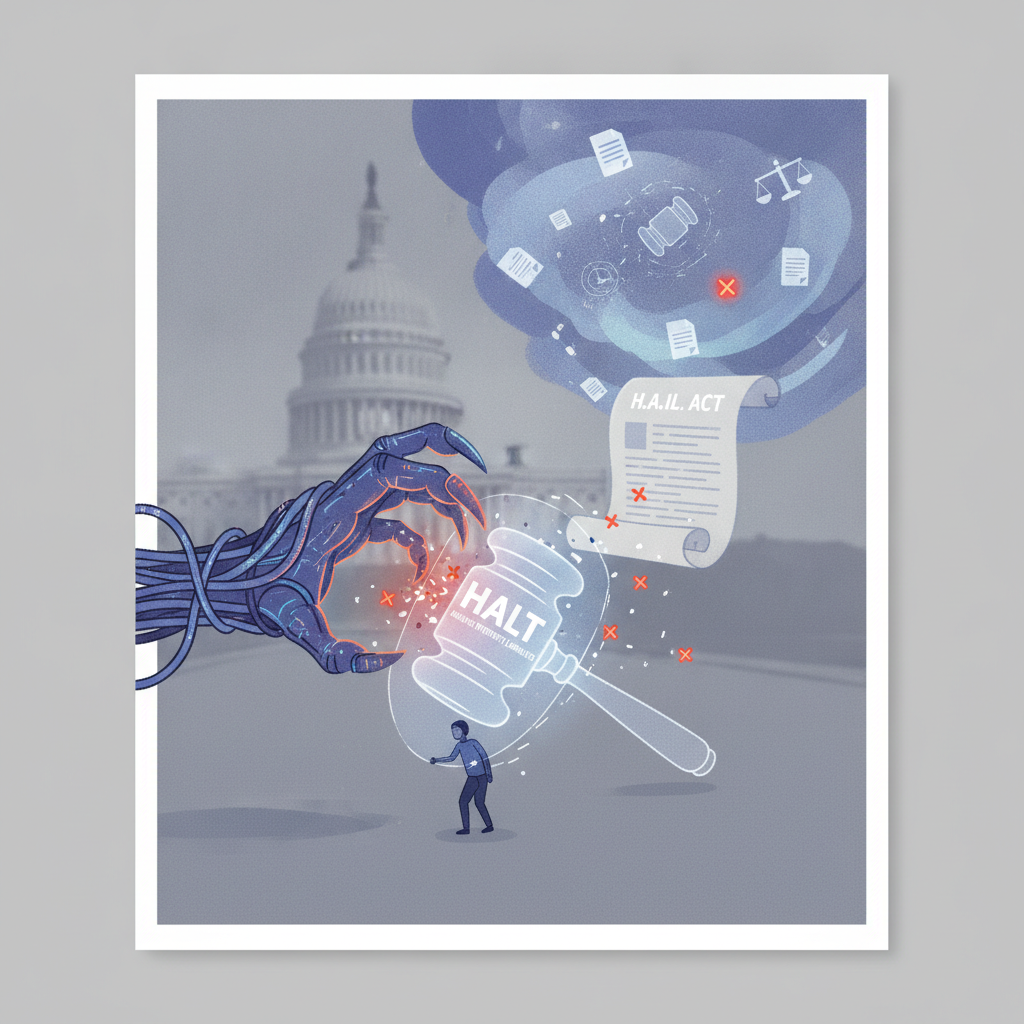
NewsWK — Federal lawmakers have introduced new legislation to curb predatory legal actions targeting online speech. The measure, designated as H.R. 10263, bears the formal title of the Halt Abusive Internet Lawsuits Act of 2026. In addition, official records from the Government Publishing Office confirm the bill has formally entered the legislative pipeline.
For everyday Americans, the digital public square has become the primary venue for commerce, civic debate, and community interaction. However, predatory litigation now threatens ordinary citizens and small enterprise owners who express opinions online. Wealthy entities often deploy costly legal maneuvers to intimidate critics into silence. Therefore, federal efforts to curb vexatious court actions hold significant interest for independent creators, consumers, and business operators nationwide.
Why it matters
Predatory lawsuits impose crushing financial pressures on ordinary individuals, community activists, and local job creators. Legal defense costs can quickly bankrupt a family before a judge issues a final ruling. Consequently, strong statutory safeguards protect free enterprise, preserve constitutional speech guarantees, and prevent deep-pocketed interests from weaponizing the legal system against citizens.
Across the country, independent reviewers, local watchdogs, and small merchants frequently face frivolous claims. These legal actions often allege defamation, business disparagement, or related civil torts. In most instances, the plaintiffs recognize they cannot win on the merits. Instead, they seek to impose unbearable discovery expenses on everyday people.
Defending a federal civil lawsuit costs tens of thousands of dollars. As a result, many defendants simply capitulate. They delete truthful warnings, silence consumer complaints, and retract factual reports. Ultimately, this dynamic undermines marketplace transparency and stifles free speech.
What Is the Halt Abusive Internet Lawsuits Act of 2026?
The Halt Abusive Internet Lawsuits Act of 2026 is a federal bill designed to deter meritless civil filings targeting digital speech. Cataloged as HR 10263, the measure establishes a structured procedural mechanism within the federal judiciary. Thus, courts can identify baseless claims early and dismiss abusive suits before exorbitant legal fees accumulate.
Currently, federal court procedures lack a uniform nationwide mechanism to dismiss abusive strategic lawsuits quickly. State legislatures have responded unevenly to this problem over the past decade. For instance, more than thirty states maintain their own anti-SLAPP statutes to protect public participation. Even so, significant disparities exist between jurisdictions. Some state laws provide robust protections and fee-shifting provisions. Meanwhile, other states offer little to no protection against predatory claims.
Furthermore, forum shopping remains a persistent challenge in digital disputes. Plaintiffs frequently file lawsuits in jurisdictions with weak protections against predatory suits. In doing so, they deliberately force distant defendants to spend extensive financial resources on travel and out-of-state counsel. HR 10263 directly targets this legal loophole. As a result, the measure ensures that citizens exercise their First Amendment rights without constant fear of predatory interstate litigation.
How Does internet lawsuits legislation Protect Online Expression?
Comprehensive internet lawsuits legislation establishes vital procedural guardrails that shield defendants from abusive legal tactics. For example, these measures typically stay costly discovery proceedings while judges review early motions to dismiss. Additionally, successful defendants can recover mandatory legal fees. This penalty directly punishes litigious bad actors and discourages future frivolous filings.
Without strong early-dismissal mechanisms, federal litigation tilts heavily in favor of plaintiffs with substantial capital. Ordinary citizens simply cannot match the resources of well-funded corporations or litigious public figures. Therefore, key protections in modern digital litigation reform include:
- Expedited court hearings to review the core legal validity of contested speech claims.
- Automatic discovery freezes during the initial evaluation of dismissal petitions.
- Mandatory attorney fee awards when courts determine a lawsuit constitutes bad-faith harassment.
- Clear evidentiary standards that plaintiffs must satisfy before dragging defendants into full trials.
Why Is Abusive Online Litigation a Growing Threat?
Abusive online litigation has grown as e-commerce, consumer review platforms, and digital reporting have expanded across the internet. Wealthy litigants increasingly use the courts to intimidate critics rather than seek legitimate redress. Consequently, public interest advocates and legal scholars have repeatedly urged Congress to enact clear statutory protections for online speakers.
Conservative legal scholars have long emphasized the importance of safeguarding individual liberty from judicial abuse. When litigious interests weaponize federal courts, they undermine public trust in the rule of law. Moreover, taxpayers bear the burden of maintaining federal courts clogged with retaliatory filings. Streamlining procedural rules frees up judicial resources and protects taxpayer funds. In turn, it ensures that legitimate disputes receive timely hearings without administrative gridlock.
What Comes Next for the HR 10263 Bill?
The HR 10263 bill now awaits formal referral to the appropriate House committee for initial review, hearings, and debate. Lawmakers must examine the specific statutory text, consult with constitutional scholars, and consider procedural amendments. Consequently, the measure must secure committee approval before advancing to consideration on the House floor.
Bipartisan support often proves essential for judicial reform legislation to navigate the federal lawmaking process successfully. Both conservative and civil libertarian organizations frequently find common ground on speech protections and tort reform. Still, legislative calendars remain demanding, and complex statutory proposals require sustained advocacy. As the 119th Congress progresses, legal observers will closely monitor committee assignments, sponsor lists, and hearing schedules. In short, the bill represents an important legislative effort to ensure digital discourse remains free from predatory judicial coercion.
This article was produced with the assistance of AI and reviewed by our editorial team.
Sources
Related: Sanctuary Policies Block Federal Jail Transfers as ICE Ramps Up Enforcement Across U.S. Communities
Related: Congress Receives New Legislation Aimed at Local Health Care Protection
Related: New Bipartisan Internet Reach and Access Now Act Targets Iranian Censorship
See a typo? Report it here.