National News
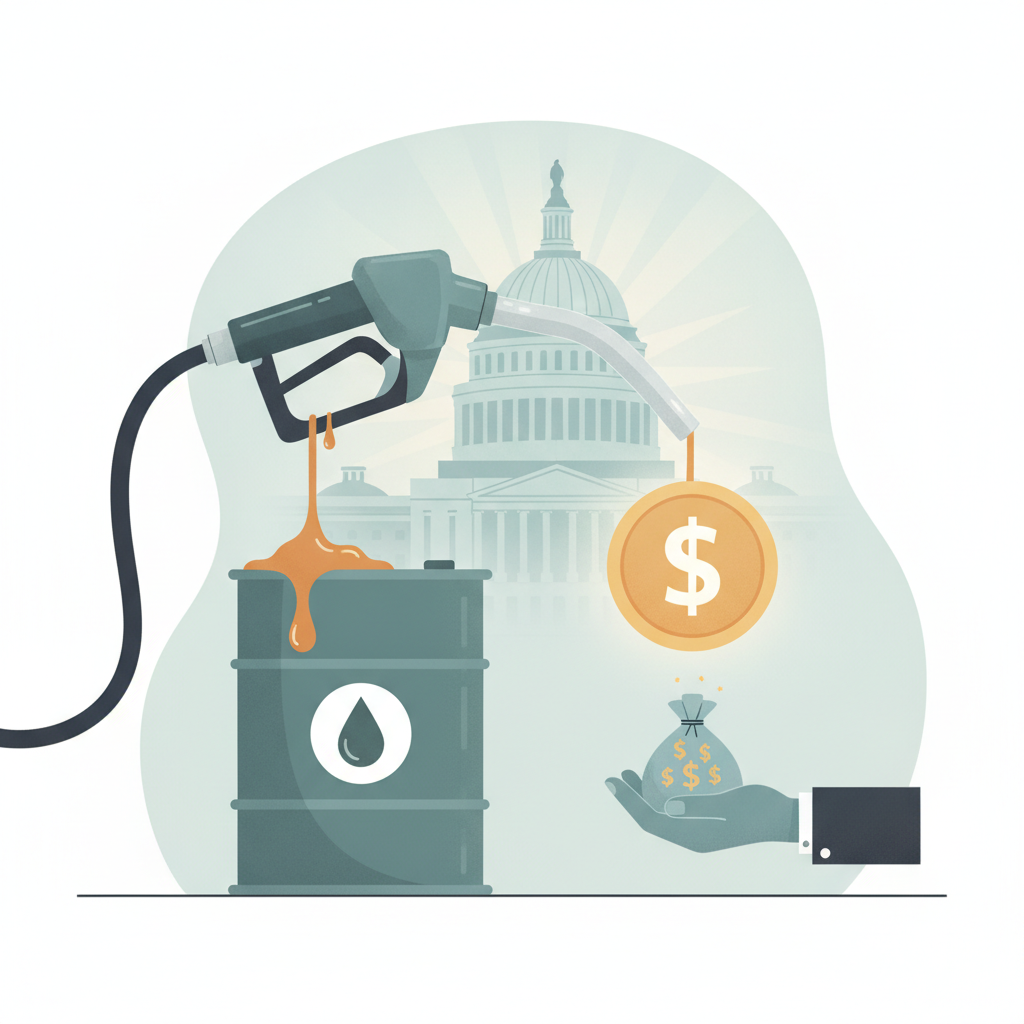
House Introduces Taxpayer Relief from Big Oil Act to Address Fuel Costs
Content Files PDF XML TEXT Metadata download Descriptive Metadata (MODS) Preservation Metadata (PREMIS) All Content and Metadata files, including granules ZIP

Last updated:
Key points
- Federal lawmakers introduced H.R. 10256, officially titled the Taxpayer Relief from Big Oil Act, in the U.S. House of Representatives.
- The measure enters the federal legislative pipeline to address energy costs and taxation policies affecting major oil producers.
- The bill now awaits formal committee referral and review before lawmakers decide whether to advance it to the House floor.
NewsWK — Federal lawmakers have formally introduced new legislation aimed at household energy costs. The measure, designated as H.R. 10256, carries the official title of the Taxpayer Relief from Big Oil Act. Official records published through federal repositories confirm the measure has entered the legislative pipeline as an introduced House bill.
Energy affordability remains a primary concern for families across the United States. High fuel prices directly squeeze household budgets and increase shipping costs for local businesses. Consequently, congressional action on energy pricing consistently draws intense scrutiny from both consumers and industry leaders.
Why it matters
Energy expenses directly influence nearly every sector of the American economy. When transportation and production costs rise, grocery bills and consumer goods climb quickly as well. Therefore, any legislative effort to adjust energy policy carries immediate financial consequences. Taxpayers, motorists, and independent business owners across the country feel the impact.
Federal tax and regulatory changes also shape national energy independence. For instance, lawmakers frequently debate federal policies toward major petroleum companies. They weigh penalties against incentives that encourage domestic oil and natural gas production. For working families, the central issue remains simple. Specifically, they want to know whether congressional proposals will truly lower pump prices or simply add administrative friction.
What is the Taxpayer Relief from Big Oil Act bill?
The Taxpayer Relief from Big Oil Act is a newly filed measure in the United States House of Representatives. Designated as H.R. 10256, the proposal aims to address high household energy costs. The bill now awaits initial committee review under standard House procedural rules. Meanwhile, congressional printers are processing the complete statutory text.
Federal legislative titles generally signal the core focus of the sponsoring lawmakers. In recent sessions, lawmakers have introduced similar proposals targeting energy company revenues, consumer rebates, or fuel tax adjustments. However, the exact mechanisms within this measure depend entirely on the final statutory language.
Key steps in the introduction of such federal bills include:
- Formal filing and number assignment by the House Clerk
- Referral to the appropriate committee of jurisdiction
- Review and technical analysis by legislative staff
- Public release of the complete text for committee hearings
How does the HR 10256 Taxpayer Relief from Big Oil Act move through Congress?
The HR 10256 Taxpayer Relief from Big Oil Act must clear several procedural hurdles before reaching the House floor. First, House leadership assigns the proposal to committees with relevant authority. These include panels like Ways and Means or Energy and Commerce. Then, committee leaders determine whether to hold hearings or schedule formal markups.
Most introduced bills never reach a full floor vote. In fact, committees decline to advance thousands of proposals during every two-year term. Yet, high-profile energy legislation often sparks broader debate on economic policy. Furthermore, lawmakers frequently use these legislative vehicles to establish policy positions or build support for future statutory compromises.
What are the economic debates surrounding Big Oil taxpayer relief legislation?
Debates surrounding Big Oil taxpayer relief legislation center on opposing views of energy economics. Proponents argue that major energy producers generate excess profits during periods of high inflation. Therefore, supporters contend that targeted taxes or regulatory checks can fund direct relief payments to struggling consumers.
Conversely, market analysts and conservative economists warn that punitive taxes on energy producers backfire on consumers. They point out that higher corporate taxes often reduce investment in domestic drilling and refining. Furthermore, reduced domestic output inevitably tightens global supply. As a result, consumer fuel prices rise higher rather than lower.
In addition, industry advocates stress that true taxpayer relief requires robust domestic energy exploration. By clearing regulatory bottlenecks and expanding federal leasing, producers can increase market supply. Consequently, greater energy supply naturally places downward pressure on retail gasoline prices and heating utility bills.
What happens next for federal energy measures?
Congressional committees will consider the measure alongside other competing energy bills currently before the House. Meanwhile, members of Congress will evaluate how the proposal aligns with broader fiscal and economic priorities. Lawmakers must balance constituent demands for cheaper gasoline against long-term national energy security.
Additionally, budget analysts track these proposals closely. Any measure altering federal tax codes or consumer transfers requires a formal review from the Congressional Budget Office. Therefore, until committee leaders act, the proposal remains in the introductory phase of the federal legislative process.
This article was produced with the assistance of AI and reviewed by our editorial team.
Sources
Related: Sanctuary Policies Block Federal Jail Transfers as ICE Ramps Up Enforcement Across U.S. Communities
Related: Congress Receives New Legislation Aimed at Local Health Care Protection
Related: Senate Introduces Strengthening Taxpayer Advocacy Act to Boost Oversight
See a typo? Report it here.