Iowa
Army Moves to Bypass Court Hold for Urgent Iowa Army Ammunition Plant Detonation
US Army plans to invoke emergency provisions to detonate bomb-making chemicals in Iowa Noon Sunday deadline set in Iowa Army blast challenge; Fort Madison says detonation could come Monday or Tuesday Lead detonation in Iowa won’t happen ‘before Wednesday,’ Army…


Last updated:
Key points
- The U.S. Army plans to invoke emergency rules to detonate nearly 10,000 pounds of unstable lead azide in Middletown, Iowa, by November 24.
- A Federal Appeals Court issued a stay on the operation’s permit, but military officials argue freezing temperatures make delay dangerous.
- Nearby residents are advised to remain indoors with closed windows during the two controlled blasts due to temporary lead dust plumes.
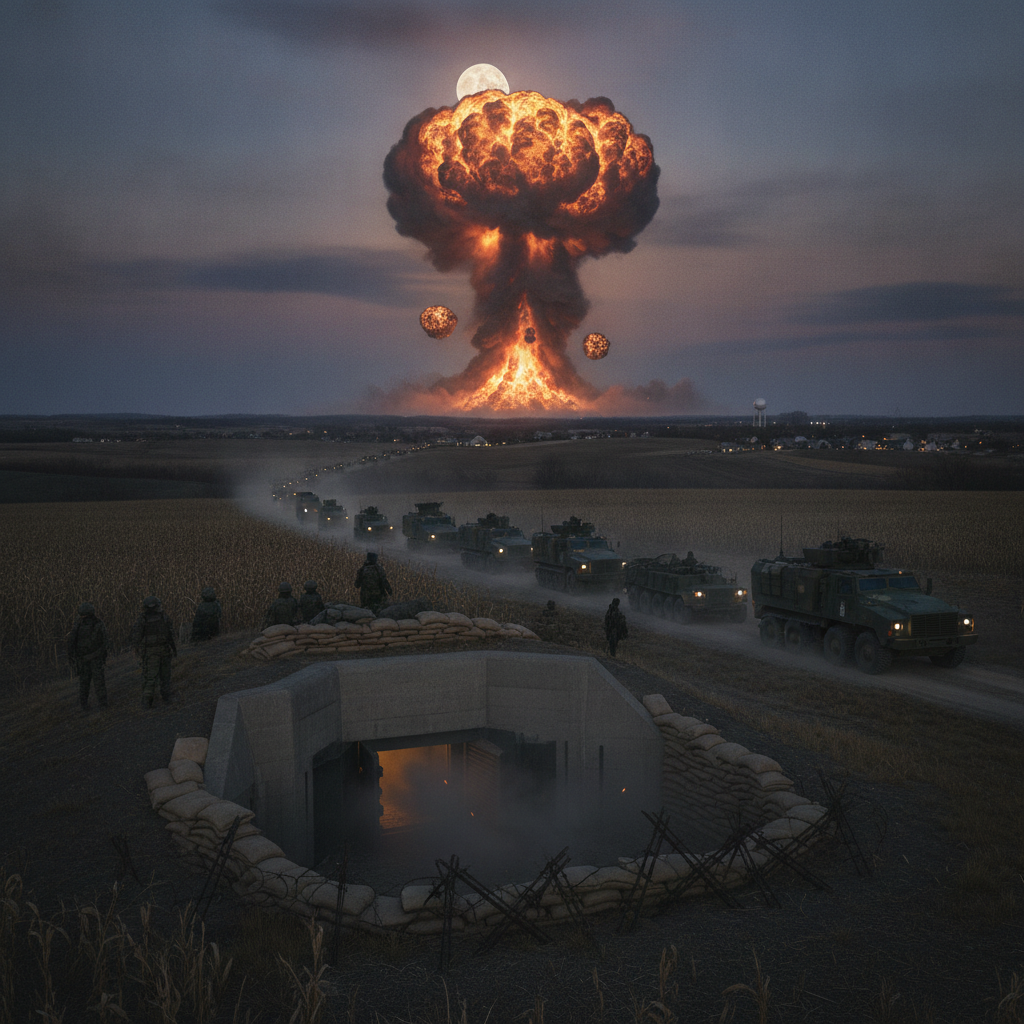
NewsWK — Federal military officials are moving forward with emergency plans in southeast Iowa. Specifically, crews will destroy thousands of pounds of volatile explosive chemicals. The federal government intends to conduct an Iowa Army Ammunition Plant detonation. Notably, officials will proceed despite an Active Federal Court order pausing the operation. Officials cite severe safety risks from stabilizing chemicals. These materials could ignite spontaneously as winter temperatures drop.
What is driving the urgent Iowa Army Ammunition Plant detonation timeline?
Military officials face a critical window to neutralize nearly 10,000 pounds of unstable explosive material. This stockpile sits in Des Moines County. Because falling temperatures increase explosion risks, federal authorities ordered immediate action. This step aims to protect public safety, local property, and military personnel.
The hazardous stockpile consists of 68 barrels of lead azide. In total, the material weighs approximately five tons. Officials made a critical discovery in March 2026. The compound had begun recrystallizing inside earth-covered concrete storage units. Consequently, the material became extraordinarily sensitive to shock and temperature shifts. Furthermore, cold weather below 30 degrees Fahrenheit significantly heightens the danger. It could trigger spontaneous ignition inside the storage magazines.
Therefore, military commanders reached a firm conclusion. Delaying disposal poses an unacceptable threat to the installation and surrounding infrastructure. Next, defense officials evaluated several disposal options. Ultimately, they selected controlled open-air detonation as the safest method for handling unstable primary explosives.
How will the US Army lead azide detonation Iowa plan affect Middletown residents?
Residents in Middletown live directly adjacent to the military facility. Consequently, they face immediate safety precautions during the operation. Local families must prepare for two major controlled blasts. The operation will release a temporary plume of lead dust into the air. Shortly afterward, the particles will settle on the ground.
Middletown is a small community of nearly 400 residents. It sits roughly 160 miles southeast of Des Moines. Because of the open-air disposal method, environmental regulators expect a toxic plume. This cloud containing lead particles will rise over the test grounds. However, experts estimate the airborne dust cloud will dissipate within one hour after each blast.
Still, health officials advise nearby residents to take proactive measures during the event. For instance, neighbors should remain indoors with windows and doors securely closed. Alternatively, residents can temporarily leave the immediate area while work occurs. Local authorities will communicate precise blast times to help families plan accordingly.
What health precautions do officials recommend during the Iowa Army plant chemical blast?
Health agencies recommend that nearby citizens seal their homes during the operation.
The U.S. Department of Health and Human Services worked alongside federal environmental regulators. Together, they established these safety guidelines.
Why is the Iowa Explosive Detonation Court stay creating a legal clash?
Environmental organizations obtained a court order to halt the initial disposal plan. However, Military Lawyers Filed Court documents asserting federal authority to proceed without environmental permits. They argued this power applies when public safety faces an immediate threat. This sharp legal conflict showcases the tension between regulatory oversight and military safety imperatives.
The dispute intensified after the U.S. Environmental Protection Agency issued an emergency permit earlier in November 2026. Initially, the blast schedule called for operations to begin on Friday, November 20. However, public outcry over environmental risks prompted a change. Acting Army Secretary Adam Telle delayed the operation to Monday, November 23.
Meanwhile, legal teams from Earthjustice, the Sierra Club, and the Iowa Environmental Council took action. They filed an emergency petition with the Federal Court. Late Thursday, November 19, the 8th U.S. Circuit Court of Appeals intervened. The judges granted an emergency stay on the EPA permit. Consequently, the court order effectively placed an Iowa Explosive Detonation Court stay on the permitted plan.
However, federal lawyers filed notice with the Appellate Court late Saturday, November 21. Government attorneys stated the Army will invoke federal emergency provisions to proceed. Environmental regulations allow agencies to bypass standard permitting rules during urgent crises. Specifically, this exception applies when hazardous waste poses an immediate threat to human life and property. Consequently, government attorneys stated that crews plan to execute the detonation by Tuesday, November 24, 2026.
Attorneys representing environmental groups strongly criticized the decision to move forward without judicial approval. For example, Earthjustice attorney Thien Chau argued that bypassing the court order undermines standard legal oversight. Still, military leadership maintains a firm stance. They warn that waiting for prolonged appeals creates an unacceptable risk of a catastrophic accident.
Key facts driving the emergency response include:
- Chemical Volume: 68 barrels holding nearly 10,000 pounds of sensitive lead azide.
- Facility Location: Iowa Army Ammunition Plant in Middletown, Des Moines County.
- Critical Risk Point: Storage temperatures dropping below 30°F trigger severe instability.
- Target Operation Date: Crews plan to finish the operation by Tuesday, November 24, 2026.
This article was produced with the assistance of AI and reviewed by our editorial team.
Sources
Related: Iowa Democrats Target Gains in Upcoming Iowa Legislative Elections