Arizona
As Low Level Arrests Rising Nationwide, Localities Focus on Public Order
Arrests for low-level offenses, including vagrancy and drug possession, increased nationwide in 2025, even as violent crime continued to decline, according to a new analysis of federal data. The analysis, which was released in late October by the criminal justice…

Last updated:
Key points
- Arrests for vagrancy increased 44% nationwide between 2024 and 2025, driven largely by legal shifts following the Supreme Court’s Grants Pass ruling.
- Drug possession arrests spiked in states like California and Oregon after lawmakers rolled back previous decriminalization measures.
- Violent crimes such as homicide and robbery continued to fall nationally as voters across multiple states approved tougher penalties for minor offenses.
NewsWK — Municipal leaders and law enforcement agencies across the United States are taking a firmer stance on public order. Consequently, police departments have ramped up enforcement against vagrancy, public drug use, and municipal code violations. Meanwhile, serious crimes like murder, robbery, and burglary continue to decline across the nation.
What does the surge in public order enforcement mean for local communities?
Local residents and small business owners often feel the direct impact of street-level misbehavior first. This happens long before national crime statistics register a shift. However, local courts and correctional facilities must now handle a higher volume of misdemeanor cases.
For years, many American urban centers struggled with open-air drug markets and unauthorized encampments. Therefore, public officials are now responding to widespread demands from taxpayers and neighborhood groups. Local governments are visibly shifting away from relaxed enforcement policies. Instead, civic leaders are instructing law enforcement officers to address quality-of-life crimes directly. Ultimately, this approach aims to restore public trust.
Why is the vagrancy arrests increase accelerating across key states?
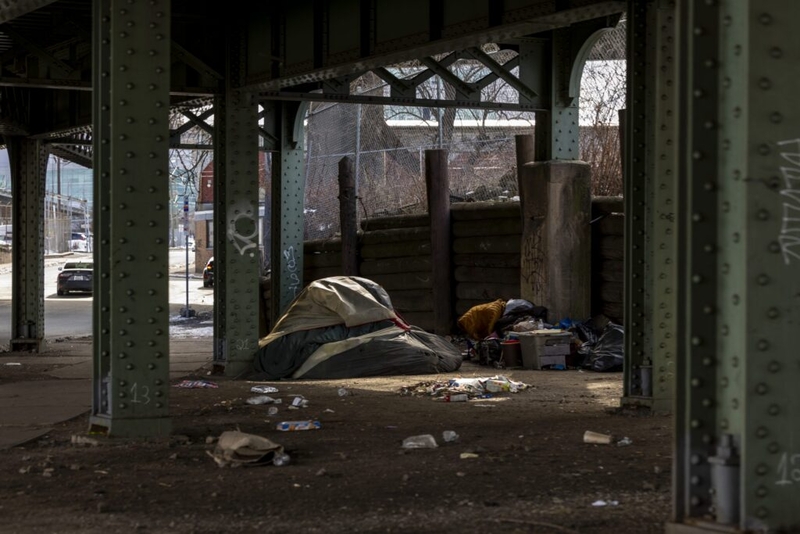
Vagrancy arrests nationwide surged 44% between 2024 and 2025. During this time, municipalities asserted greater authority over public spaces. Four Western states—Arizona, California, Hawaii, and Nevada—accounted for more than half of that total increase. Specifically, officials in these states used updated legal tools to clear illegal encampments and restore public access to parks.
Law enforcement officers registered thousands of additional citations as cities established tighter local ordinances. Also, municipal leaders enforced strict boundaries regarding where individuals may set up temporary shelters. Police departments reported that clear legal standards helped officers maintain sidewalk access in busy business districts.
How did the Grants Pass homelessness ruling empower city leaders?
The landmark Grants Pass homelessness ruling by the U.S. Supreme Court in 2024 empowered local municipalities. Specifically, it gave them clear authority to enforce bans on outdoor camping on public property. The decision gave local governments greater latitude to enforce restrictions on sleeping outdoors.
Previously, cities faced legal gridlock when trying to clean up public parks and walkways. Consequently, police Officers Reinstated Active Street-level enforcement protocols to protect public property.
How are policy changes driving the drug possession arrests trend nationwide?
State lawmakers and voters have increasingly abandoned progressive criminal justice experiments that decriminalized minor drug possession. For example, both California and Oregon recriminalized illicit drug possession in 2024. Consequently, this policy shift triggered an immediate upward drug possession arrests trend in both states.
Between 2024 and 2025, arrests for non-marijuana drug possession jumped 39% in Oregon and 24% in California. Nationwide, non-marijuana drug possession arrests grew 3%. Meanwhile, marijuana possession arrests rose 6% across the country. In 2025, law enforcement officers arrested Black individuals for marijuana possession at over four times the rate of white individuals. Furthermore, arrests of Black individuals for marijuana possession rose nearly 10%. That increase accounted for 83% of the total national rise in that category.
What findings emerged from the recent FWD.us crime report?
Data published in the FWD.us crime report shows a sharp divergence in enforcement. Specifically, low-level misdemeanor enforcement and violent crime trends are moving in opposite directions. Serious offenses like homicide, robbery, and burglary fell sharply. Conversely, arrests for lower-level offenses and federal immigration violations saw dramatic increases across multiple jurisdictions.
Amid intense federal enforcement operations, federal immigration arrests increased 188% between 2024 and 2025. Furthermore, that rapid enforcement pace continued into 2026. Authorities recorded an average of 36,093 monthly immigration arrests through July 2026. Notably, that monthly figure represents nearly four times the average monthly rate reported in 2024.
Additionally, voters in nearly a dozen states backed ballot initiatives during recent midterm elections. These measures strengthen criminal penalties and tighten bail rules. Overall, these election results highlight a broad public desire for stronger law enforcement visibility.
Meanwhile, reform advocates expressed concern over the rising arrest numbers.
“There is at this point plenty of time to choose a different path from this one and to kind of redirect ourselves,” said Zoë Towns, executive director of FWD.us.
Key nationwide enforcement trends include:
- Vagrancy enforcement actions expanded by 44% across the country between 2024 and 2025.
- Federal immigration arrests increased by 188% during the same timeframe.
- Oregon drug possession arrests jumped 39% after state policy rollbacks.
- California drug possession arrests rose by 24% following updated criminal statutes.
This article was produced with the assistance of AI and reviewed by our editorial team.
Sources
Related: Sanctuary Policies Block Federal Jail Transfers as ICE Ramps Up Enforcement Across U.S. Communities
Related: FBI Reports Record Nationwide Drop in Violent Crime as 2025 Homicide Rates Match Historic Lows
See a typo? Report it here.