Health News
Cardiologist Highlights Hidden Signs of Heart Disease Beyond Chest Pain
6 hidden signs of heart trouble you should never ignore, US-based cardiologist warns: One of them starts in your legs Heart doctor names early leg symptom that means your heart is in trouble High cholesterol symptoms: Six warning signs in…


Last updated:
Key points
- Cardiologist Dr. Jeremy London warns that early heart disease signs often appear in the legs, feet, and energy levels rather than the chest.
- Symptoms like leg cramping, hair loss on shins, cold feet, and swollen ankles can indicate peripheral artery disease or heart failure.
- Early detection through routine circulation checks and ankle-brachial index tests helps prevent costly medical emergencies and long-term health complications.
NewsWK — Chest pain remains the standard signal for cardiac emergencies. However, medical specialists warn that many early warnings appear far from the chest. For example, Dr. Jeremy London is a United States cardiothoracic surgeon. He recently highlighted several subtle physical changes that require patient attention. Recognizing these hidden signs of heart disease early can save lives.
What Are the Early Warning Signs of Cardiovascular Disease?
Early signs of cardiovascular disease often present as subtle changes in daily stamina, skin condition, or lower body sensation. Blood vessels supply oxygen throughout the entire body. Because of this, restricted circulation manifests in distant areas long before a major cardiac event occurs. Therefore, doctors urge individuals to monitor subtle shifts in physical performance.
Unrelenting fatigue serves as a prime example of systemic trouble. The American Heart Association notes that weakened heart muscles deliver less oxygen to vital tissues. Consequently, routine tasks like climbing stairs or carrying groceries become exhausting. In addition, persistent erectile dysfunction can indicate damaged arterial linings. The American College of Cardiology highlights this warning sign. Specifically, blood vessel blockages in smaller arteries often precede major coronary symptoms by several years.
How Do Leg Symptoms of Heart Trouble Point to Poor Circulation?
Specific leg symptoms of heart trouble develop when narrowed blood vessels restrict proper flow to the lower extremities. When arteries become stiff or clogged, muscles receive inadequate oxygen during movement. As a result, individuals experience cramping or unusual skin coolness. They may also notice localized hair loss across their shins, feet, and toes.
For instance, sudden bald patches on the lower legs can signal arterial disease. The Centers for Disease Control and Prevention explains why this occurs. Reduced nutrient delivery starves hair follicles on the shins and feet. Thus, loss of leg hair without an obvious cause deserves medical review.
What Are the Warning Signs of Peripheral Artery Disease?
Key warning signs of peripheral artery disease include leg cramping during light exercise. Patients also experience chronic coldness in the feet and slow-healing sores. This condition occurs when fatty plaque accumulates in outer arteries. Therefore, recognizing these circulation bottlenecks allows patients to seek preventative care before severe tissue damage occurs.
Physical exertion frequently triggers muscle pain in the calves or thighs. However, this discomfort usually fades after a brief period of rest. Physicians call this pattern intermittent claudication. Moreover, persistent sores or pale, numb toes indicate a severe lack of blood flow. Without proper treatment, restricted circulation increases infection risks and leads to serious tissue breakdown.
Why Is Swollen Ankles Heart Failure a Critical Red Flag?
Connecting swollen ankles heart failure warnings to daily health requires understanding fluid dynamics in the circulatory system. When the heart pumps inefficiently, blood backs up in veins returning from the lower body. Gravity then forces excess fluid into surrounding tissues. Consequently, this creates noticeable swelling in the feet and lower legs.
According to health authorities like the National Health Service, persistent swelling in both ankles warrants prompt evaluation. Kidney conditions, blood clots, or medications can also cause fluid retention. Nevertheless, heart performance remains a primary concern. Therefore, patients should track how quickly swelling develops. They should also note whether elevated legs provide relief.
Preventative medical care relies heavily on personal responsibility and early intervention. When patients notice unusual leg changes or chronic fatigue, simple non-invasive tests assess vascular health. For example, doctors frequently perform an ankle-brachial index test. This exam compares blood pressure in the arms and ankles. In addition, physicians evaluate routine blood pressure numbers and general circulation.
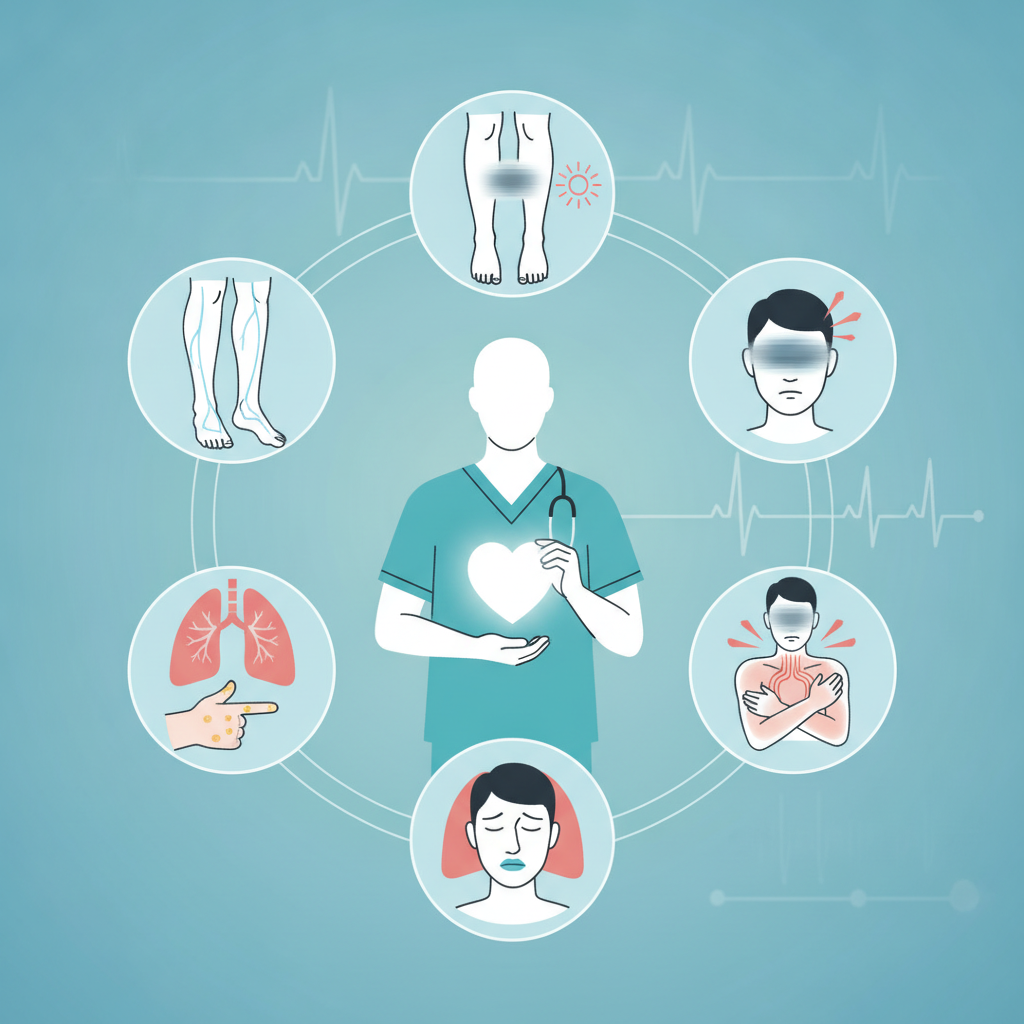
Here is a quick list of non-chest symptoms to monitor closely:
- Unexplained hair loss on the shins, ankles, or feet
- Recurrent leg pain or calf cramping during routine walks
- Persistent fluid retention and swelling in lower limbs
- Chronic fatigue during light daily physical activities
- Slow-healing wounds or persistent coldness in toes
What Context and Medical Guidance Should Patients Follow?
Cardiologists emphasize that experiencing a single symptom does not automatically confirm heart failure or arterial blockage. However, individuals should never ignore persistent or unexplained changes in lower body circulation. Furthermore, patients should combine proactive medical checkups with healthy lifestyle choices. This approach remains the most reliable strategy for preventing long-term cardiovascular damage.
While subtle symptoms require scheduled clinical evaluation, acute events demand immediate emergency response. For instance, sudden chest pressure, severe shortness of breath, and sudden fainting require rapid emergency intervention. Intense unexpected exhaustion also demands immediate care. By understanding these subtle warnings, patients can make informed decisions. Ultimately, they can protect their health and maintain independence throughout their lives.
This article was produced with the assistance of AI and reviewed by our editorial team.
Sources
Related: Hidden Signs of Heart Disease: Why Leg Symptoms and Fatigue Require Medical Attention
Related: Hidden Signs of Heart Disease: What Experts Say About Leg Symptoms and Vascular Health