National News
How a Man With Alzheimer’s Survives Amazon Rainforest After 11 Days
A 74-year-old man with Alzheimer’s survived 11 days lost in the Amazon rainforest: he built himself a shelter with palm leaves Missing elderly man found in forest 10km away… 11 days later : Global : JKN Man with Alzheimer’s found…

About man with Alzheimer's survives Amazon rainforest

Last updated:
Key points
- Janarino Ferreira dos Santos, 74, was rescued after surviving 11 days alone in dense Brazilian rainforest.
- He used past wilderness experience to find wild fruit, spring water, and build palm leaf shelters.
- Emergency crews located him six miles from where he went missing and transported him to a Macapá hospital.
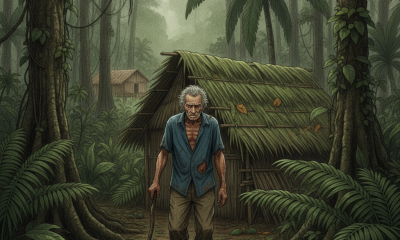
NewsWK — Janarino Ferreira dos Santos is a 74-year-old man diagnosed with Alzheimer’s disease. He endured nearly two weeks alone in the dense jungle. Ultimately, emergency crews located him approximately six miles from where he originally vanished near Macapá.
How Was the Missing Man Found in Amazon Rainforest Terrain?
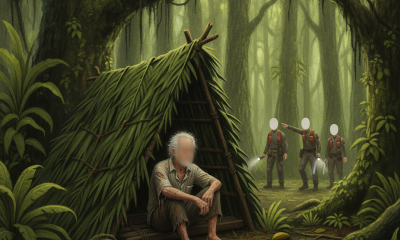
Rescuers located the missing man in the Amazon rainforest by tracking footprints and fresh palm leaf structures. Specialized search teams spotted the elderly survivor sitting barefoot in thick brush on Friday, November 20, 2026. First, crews provided emergency hydration. Next, they carried him out on an improvised rope stretcher across flooded swamp ground.
The intensive multi-agency search began just one day after Janarino Ferreira dos Santos disappeared into the bush. Rescuers quickly mobilized ground teams, firefighters, local volunteers, and specialized search units. Furthermore, emergency personnel deployed helicopters and drones with thermal imaging technology. These aircraft scanned the thick canopy from above.
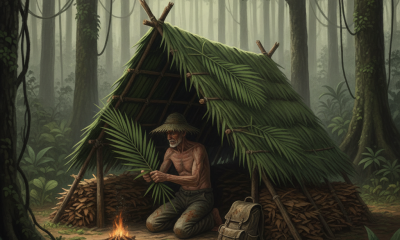
However, ground trackers provided the key breakthrough in the dense jungle environment. Specifically, teams identified foot impressions showing that the lost man was walking in broad circles. Trackers then discovered crude shelters crafted from fresh palm leaves. One improvised bedding area was four days old. Meanwhile, another shelter showed clear signs of morning construction. Consequently, these signs proved that the missing survivor was alive and active in the area.
What Operations Resolved the 11 Days Lost in Amazon Rainforest Case?
The rescue operations resolving the 11-day Amazon rainforest ordeal combined modern technology with traditional tracking methods. Search crews persevered through treacherous terrain, including deep swamps and flooded mud zones. Meanwhile, family members and volunteers worked alongside official firefighters. Together, they kept search grid coverage active until discovery.
Public safety officials faced extreme logistical hurdles throughout the multi-day mission. The remote area near Macapá features dense brush and standing water. This harsh terrain severely limited vehicle access. Consequently, search crews relied heavily on foot patrols and specialized gear. In addition, family members maintained public awareness during the search efforts. For example, his granddaughter, Sara Montes, made an urgent plea on social media. She urged searchers not to give up hope.
What Does This Amazon Survival Brazil Story Reveal About Emergency Response in Remote Areas?
This Amazon survival Brazil case underscores the critical value of quick multi-agency coordination during missing person operations. Survival in harsh environments depends heavily on relentless ground searches and specialized tracking. For rural communities, the event highlights a key lesson. Local terrain knowledge and family persistence can significantly aid official search teams.
Emergency operations in dense wilderness present unique risks for vulnerable individuals with cognitive conditions like Alzheimer’s disease. When seniors wander into hazardous environments, search windows close rapidly. Dehydration and environmental exposure create immediate dangers. Therefore, local authorities emphasize early notification systems and rapid deployment protocols.
Furthermore, this rescue demonstrates the resilience required when navigating high-risk terrain. Rescuers had to construct a custom stretcher out of heavy ropes to move the survivor safely. Then, they carried him through miles of flooded forest where motorized transport remained impossible. Ultimately, the successful outcome reinforces the necessity of combining volunteer manpower with trained emergency personnel.
Who Is Janarino Ferreira dos Santos and How Did He Survive?
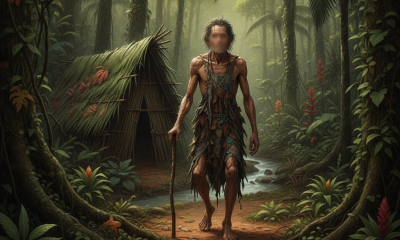
Janarino Ferreira dos Santos is a 74-year-old former informal miner whose prior wilderness experience proved life-saving. Despite living with Alzheimer’s disease, his past familiarity with forest environments helped him locate food and water. Specifically, he survived by gathering native fruits, drinking from natural streams, and constructing protective leaf shelters.
Before his diagnosis, Santos spent years working as an informal miner in remote Brazilian regions. That background gave him practical instincts during his 11-day ordeal. For instance, he sustained himself by eating wild fruits like the buriti palm. In addition, he drank water from natural forest springs and streams.
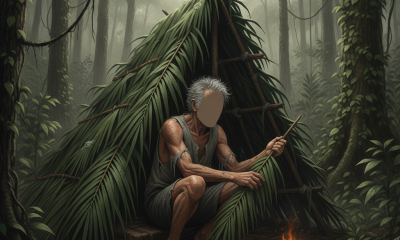
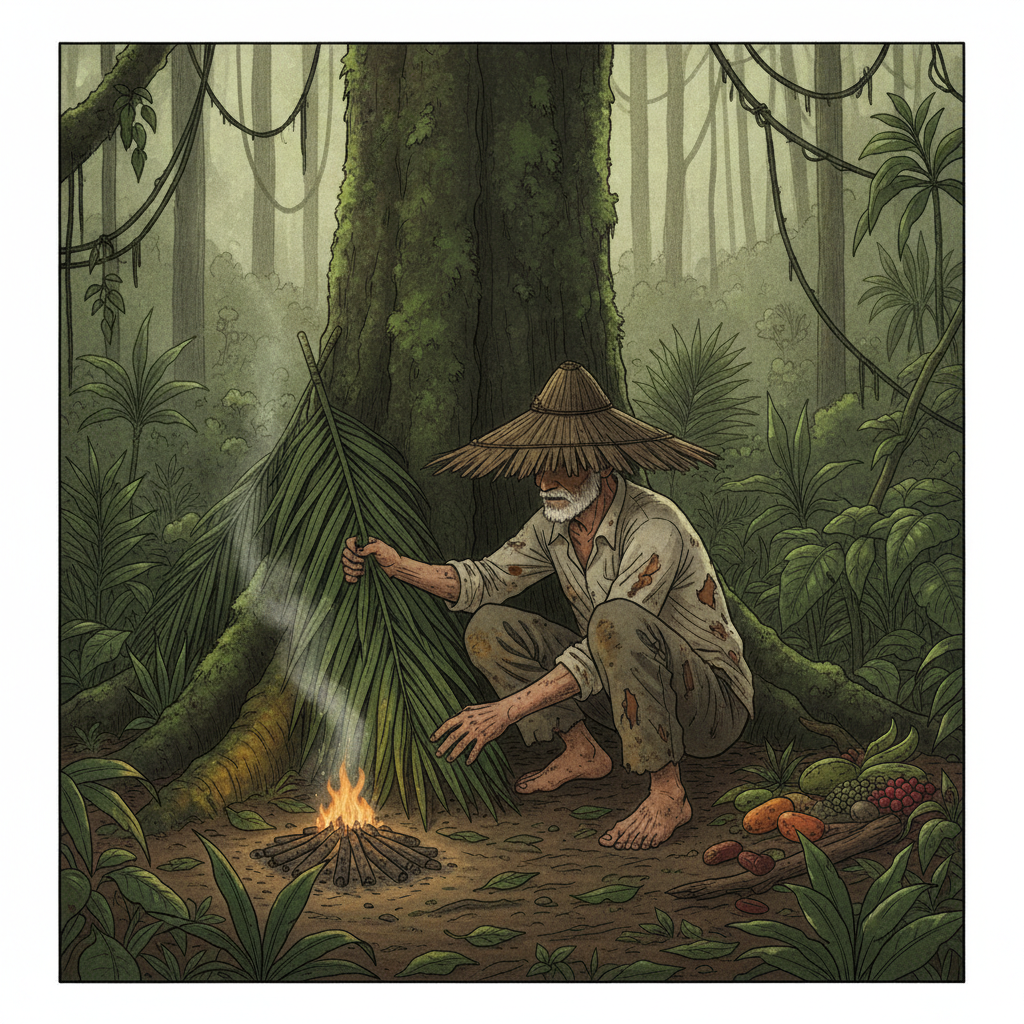
To protect himself from the elements, Santos harvested large açaí palm fronds. He used these leaves to build temporary beds and shelters. When searchers finally reached him, he was sitting barefoot in deep brush and wearing only his underwear. At that point, he was exhausted, severely dehydrated, and temporarily unable to speak or walk.
Medical teams quickly transferred Santos to a hospital in Macapá for emergency treatment. There, doctors treated him for a urinary tract infection, severe dehydration, dry skin, and deep scratches. Additionally, medical staff removed numerous thorns embedded in his feet. Finally, officials confirmed he is currently recovering under medical care.
This article was produced with the assistance of AI and reviewed by our editorial team.
Related: Man With Alzheimer’s Survives 11 Days in Amazon Rainforest
Related: Man with Alzheimer’s survives 11 days in Amazon rainforest near Macapá