Minnesota
Minnesota USDA Drought Disaster Designation Opens Emergency Loans for Farmers
USDA Designates Big Stone, Chippewa, Lac qui Parle, and Swift Counties in Minnesota as Natural Disaster Areas Due to Drought | Farm Service Agency


Last updated:
Key points
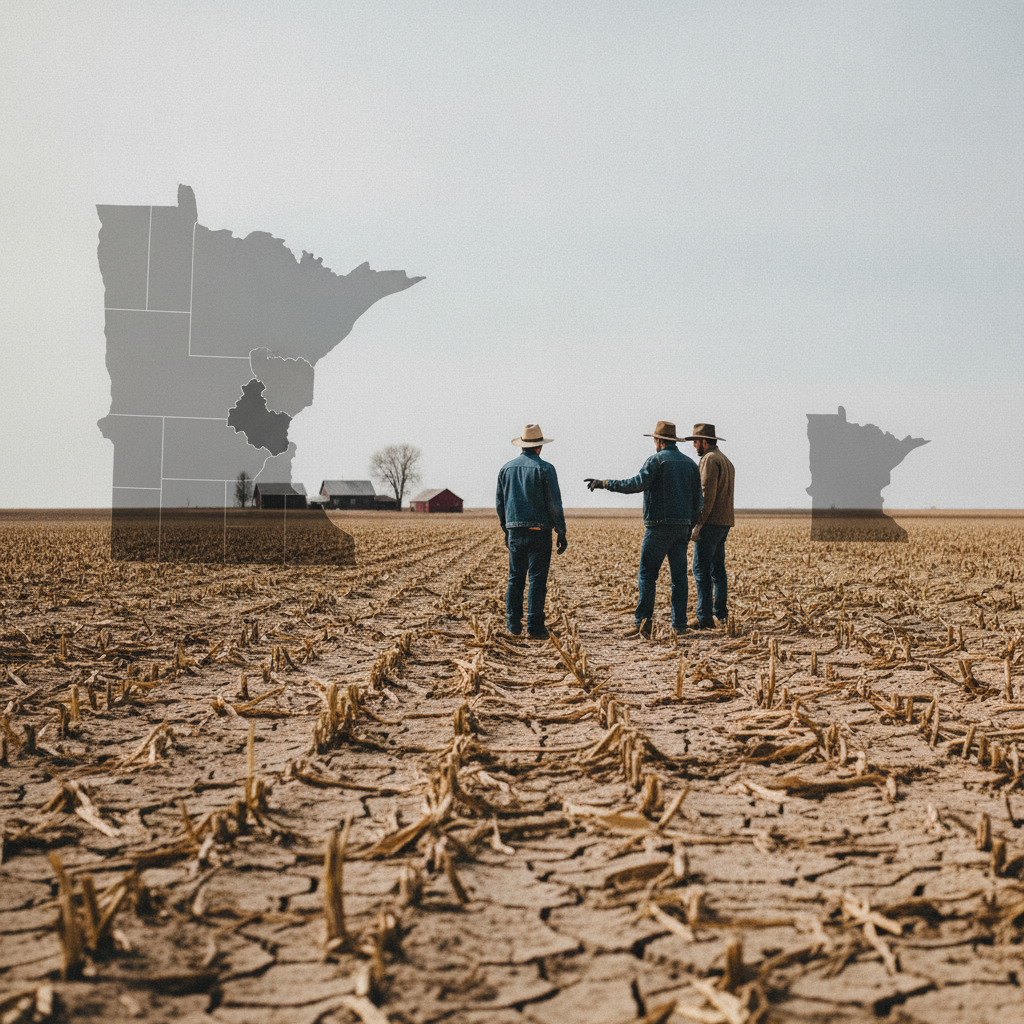
- The USDA designated Big Stone, Chippewa, Lac qui Parle, and Swift counties in Minnesota as primary natural disaster areas due to severe drought.
- Eligible agricultural producers in primary and contiguous counties across Minnesota and South Dakota have until July 6, 2027, to apply for emergency loans.
- Producers can use loan funds to replace essential equipment or livestock, reorganize operations, or refinance qualifying debts.
What does the Minnesota USDA drought disaster designation provide?
NewsWK — The United States Department of Agriculture designated four western Minnesota counties as natural disaster areas on November 23, 2026. This Secretarial action unlocks federal emergency credit for local agricultural producers, because severe growing-season moisture deficits began on September 1, 2026.
Qualified farmers can access Minnesota agricultural drought relief through the Farm Service Agency. Also, local agricultural operations can use these emergency credit options to offset severe weather losses.
How can farmers apply for Minnesota FSA emergency farm loans?
Eligible producers can submit official applications for Minnesota FSA emergency farm loans through July 6, 2027. The federal Farm Service Agency evaluates each loan application based on documented agricultural financial losses, available collateral security, and overall applicant repayment ability.
Producers may use emergency loan funds for several operational recovery purposes:
- Replace essential items, including machinery and livestock.
- Reorganize ongoing farming operations.
- Refinance existing qualifying debts.
Which USDA disaster counties Minnesota are eligible for relief?
Meanwhile, the USDA drought disaster Minnesota designation assists primary and contiguous counties across state borders. Under federal rules, designated areas experienced severe drought for at least four consecutive weeks. Still, counties also qualified by suffering extreme or exceptional drought conditions on the U.S. Drought Monitor.
The designation includes the following primary and contiguous counties:
- Minnesota Primary: Big Stone, Chippewa, Lac qui Parle, and Swift.
- Minnesota Contiguous: Kandiyohi, Pope, Renville, Stevens, Traverse, and Yellow Medicine.
- South Dakota Contiguous: Deuel, Grant, and Roberts.
This article was produced with the assistance of AI and reviewed by our editorial team.
Related: Voice for Farm Workers Act Introduced in U.S. Senate as Lawmakers Debate Agricultural Labor Policy