Connecticut
Teen Cannabis Treatment Delays Rise Across U.S., Study Finds
As federal officials consider whether to reclassify marijuana under federal drug law, a new study has found that more American teenagers seeking treatment for cannabis use disorder, known as CUD, are facing longer wait times before receiving care. The study,…

Last updated:
Key points
- 34% of teens seeking cannabis treatment faced delays in 2022.
- The study indicates COVID-19 disruptions contributed to increased wait times.
- Proactive screening in healthcare and schools may improve timely access to care.
NewsWK — Recent research indicates that a significant number of American teenagers seeking treatment for cannabis use disorder (CUD) are facing extended wait times for care. The study, published in the American Journal of Preventive Medicine, analyzed data from over 124,000 adolescent admissions to publicly funded substance use treatment facilities from 2012 to 2022.
Rising Adolescent Substance Use Treatment Delays
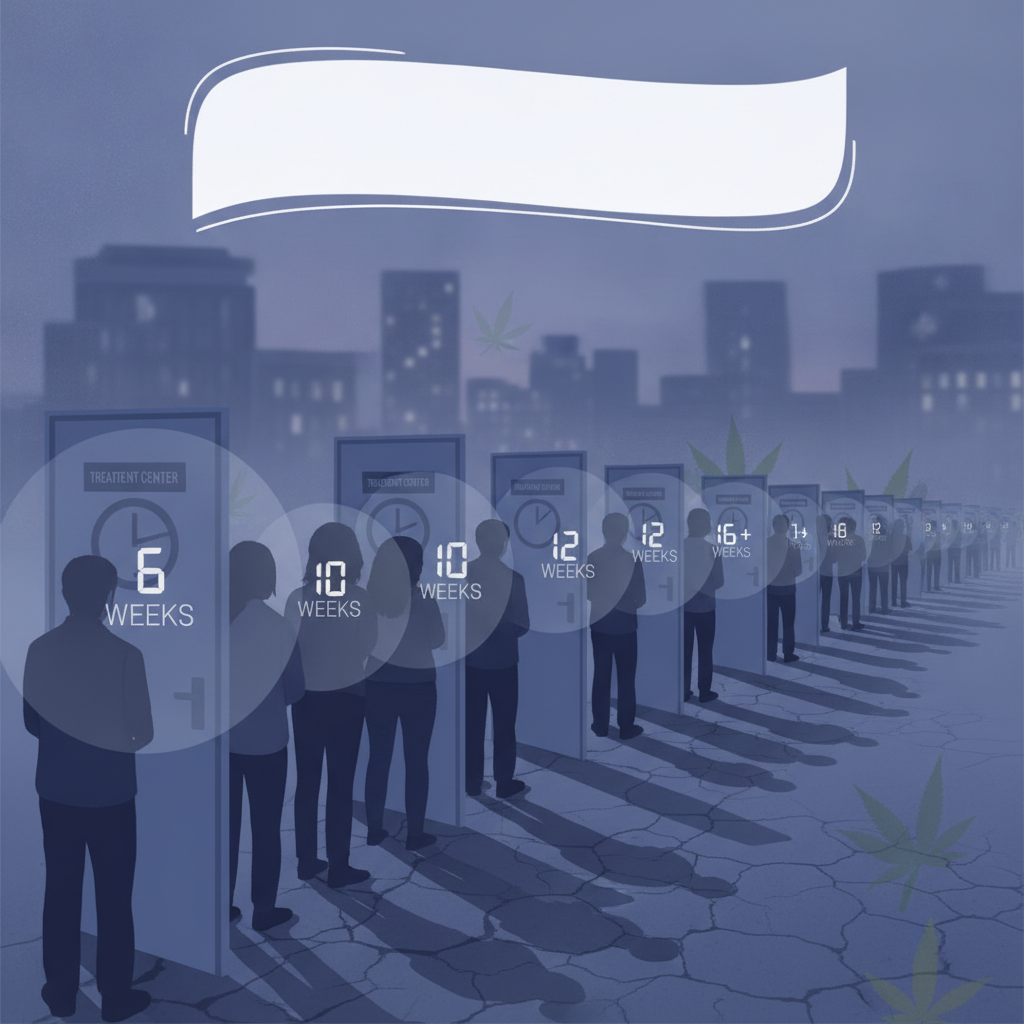
In 2022, nearly 34% of adolescents, defined as those aged 12 to 17, experienced delays in treatment admission, which can range from several days to over a month. This figure marks a notable increase from a low of about 25% in 2015. The authors of the study suggest that these delays may be influenced by COVID-19 disruptions and an increased demand for care.
According to the findings, approximately 11% of adolescents who use cannabis develop CUD within a year, with the risk increasing to about 20% with continued use. The study highlights that adolescents referred to long-term rehabilitation programs faced higher odds of delays compared to those entering acute detoxification services.
Addressing Cannabis Use Disorder in Teens
“Just to address these delays, it will require coordinated efforts across health care,” stated Yiota Kitsantas, the lead author of the study. She emphasized the importance of proactive screening in primary care and school settings to promote early identification and timely access to care.
Differences in treatment delays were also noted based on living arrangements; youth living with parents or guardians experienced longer wait times than unhoused youth. Additionally, male adolescents had 11% higher odds of facing delays compared to their female counterparts.
The study raises concerns as states continue to grapple with the regulation of cannabis products and their potential links to public health issues. During recent legislative sessions, some states, like Connecticut, have taken steps to address cannabis potency limits, while others, such as Oklahoma, have implemented new packaging requirements to prevent cannabis products from appealing to children.
Based on reporting by Amanda Watford originally published by Stateline. Read the original story.
Related: Democrats aim to emulate Republicans in building state power
Related: States Boost In-Home Caregiver Pay as Senior Demographics Surge and Workforce Strains Mount
See a typo? Report it here.