Pennsylvania
Teaching Engaged Citizenship Act of 2026
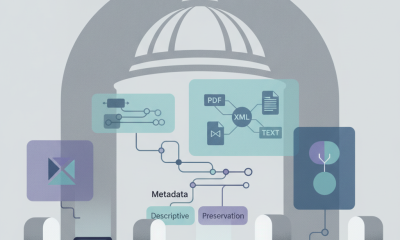
Content Files PDF XML TEXT Metadata download Descriptive Metadata (MODS) Preservation Metadata (PREMIS) All Content and Metadata files, including granules ZIP


Last updated:
Key points
- Representative Mary Gay Scanlon introduced HR 10895 to create a $400 million federal civics grant program and a new Department of Education office.
- The Teaching Engaged Citizenship Act of 2026 would expand national NAEP civics and history testing to 4th, 8th, and 12th graders.
- The bill remains pending in House committees as lawmakers debate federal education spending and local school board authority.
NewsWK — Federal lawmakers are advancing a new $400 million education initiative in Washington. The proposal would expand federal influence over local public school classrooms across the nation. Representative Mary Gay Scanlon introduced the Teaching Engaged Citizenship Act of 2026 on October 22, 2026.
What is the Mary Gay Scanlon civics bill?
Representative Mary Gay Scanlon, a Pennsylvania Democrat, introduced HR 10895 on October 22, 2026. The bill authorizes $400 million to establish the Civic Education and Service Learning Grant Program. Also, the legislation creates a new federal office. Furthermore, it mandates expanded national student testing in civics across three grade levels.
House leaders referred HR 10895 to the Committee on Education and the Workforce. Officials also sent parts of the measure to the Committee on House Administration. If passed, the bill creates five primary administrative directives:
- Establishes an Office of Civic Education within the U.S. Department of Education.
- Authorizes $400,000,000 in federal civics education funding for K-12 schools.
- Mandates National Assessment of Educational Progress (NAEP) testing in civics and history for grades 4, 8, and 12.
- Requires NAEP to publish testing data nationally and by individual state.
- Creates an annual Excellence in Civics Award for outstanding educators and curriculum programs.
Also, cultural institutions would supply educational materials to participating schools. These partner agencies include the Library of Congress and the National Archives. In addition, the Institute of Museum and Library Services would assist in creating civics materials.
How would federal civics education funding work for public schools?
The bill allocates $400 million for public elementary and secondary schools across the United States. However, local school districts must align their programs with federal guidelines to receive funding. Consequently, the proposed Office of Civic Education would manage these grants and monitor local program compliance.
How will K-12 civic education grants reach classrooms?
School districts across the nation could apply for competitive K-12 civic education grants to fund local initiatives. Specifically, districts would use these taxpayer dollars for curriculum design, teacher training, and student projects. However, local officials must meet federal reporting requirements to retain their grant awards.
Taxpayer advocates often examine major federal grant authorizations for long-term fiscal costs. For example, creating a new federal bureau increases annual administrative overhead expenses. Meanwhile, critics argue that curriculum decisions belong with elected local school boards and parents. They note that tied federal funding can restrict local community input over classroom lessons.
Still, supporters believe federal dollars will help schools upgrade outdated civics textbooks. Proponents also argue that structured grant guidelines ensure consistent educational quality nationwide. Ultimately, local administrators would decide whether to apply for the federal competitive funds. However, accepting federal grants usually requires compliance with Washington mandates.
What background drives the debate over HR 10895?
Federal civics spending has sparked intense debate between expansion advocates and fiscal conservatives. Notably, non-governmental civics funding grew from $7.75 million in 2022 to $23 million in 2024. Meanwhile, recent budget proposals would cut $12 billion from K-12 education programs.
Private organizations like the American Academy of Arts and Sciences increased their civics spending recently. For instance, private support expanded teacher training programs, classroom resources, and student activities between 2022 and 2024. Conversely, Representative Scanlon pointed to proposed federal spending cuts as justification for her legislation. Specifically, some recent congressional budget proposals seek to trim $12 billion from federal education programs.
Because federal budget deficits remain high, lawmakers face growing pressure to limit new spending programs. The proposed bill currently remains under review in two separate House committees. Moreover, Congress has not yet scheduled hearings or votes on the measure. Therefore, local school boards do not face immediate policy changes or program requirements today.
The bill also expands national standardized testing requirements for public school students. Under the proposal, NAEP must assess students in 4th, 8th, and 12th grades. Currently, national civics testing occurs on a less frequent or sample-based schedule. Furthermore, the legislation requires the government to publish test results. These reports will cover both the country and individual states.
As a result, state-by-state data will show how local educational performance compares across state lines. Education policy experts track NAEP scores closely to evaluate national academic trends. However, critics caution that mandatory nationwide testing can lead to standardized federal curriculum pushouts.
This article was produced with the assistance of AI and reviewed by our editorial team.
Sources
Related: House Resolution 1499 Clears Way for Critical Votes on Mining, Higher Education, and Maritime Rules
Related: Study Examines Women on Parole Mental Health and Reentry Crises Across the US
See a typo? Report it here.