Health News
Why Rural C-Section Opioid Prescriptions Are Higher Than in Cities
Women giving birth in rural communities were more likely than peers in urban areas to receive oral opioid prescriptions for pain upon leaving the hospital after a cesarean section, according to a new analysis of data from half a million…

Last updated:
Key points
- A study of 540,000 C-sections shows rural mothers are roughly 10% more likely to receive opioid prescriptions upon discharge than urban mothers.
- Rural patients also receive higher rates of non-opioid pain medications like acetaminophen and ibuprofen compared to urban peers.
- The findings raise safety concerns as substance use disorders contribute to over 20% of pregnancy-related deaths nationwide.
NewsWK — Mothers giving birth in America’s rural heartlands face different pain management plans than those in cities. A new study reveals that rural mothers receive more prescription opioids after cesarean deliveries.
Why it matters
This trend directly impacts family safety, newborn well-being, and local healthcare resources in rural communities. Substance use disorders contribute to over 20% of pregnancy-related deaths nationwide. Therefore, higher opioid exposure after childbirth raises critical safety concerns for new mothers.
How do postpartum opioid prescriptions rural areas receive differ from cities?
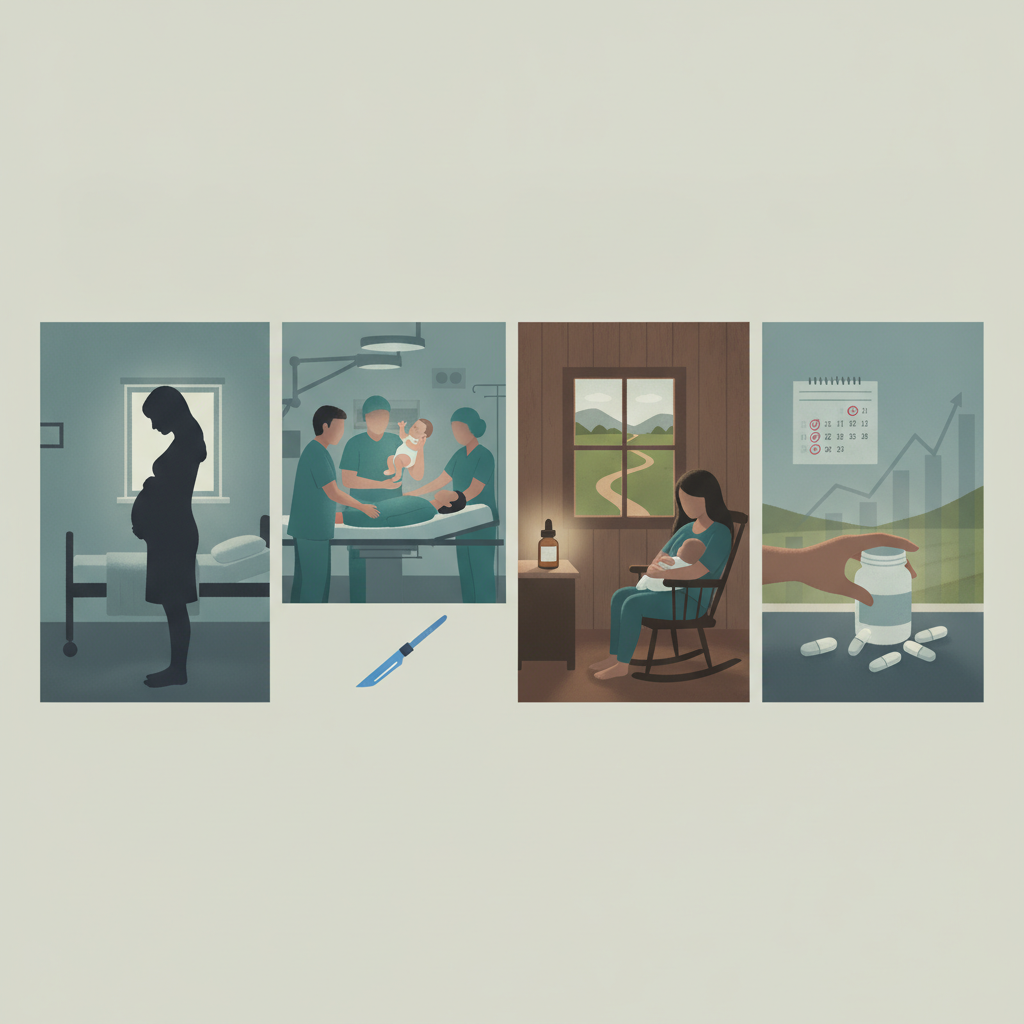
The Truveta C-section study analyzed data from over 540,000 cesarean deliveries between 2018 and 2026. Researchers discovered that hospital-based pain care remains consistent across geographic lines. However, the study revealed disparities in postpartum opioid prescriptions rural areas receive after discharge.
For every 100 patients, about 10 more rural women received opioid prescriptions than urban mothers. Rural patients were also more likely to receive other pain medications, including:
- Acetaminophen (Tylenol)
- Non-steroidal anti-inflammatory drugs (NSAIDs) like ibuprofen
- Opioids such as oxycodone and fentanyl
What the Truveta C-section study reveals about discharge care
Doctors handle C-section pain management discharge differently depending on where a patient lives, despite nationwide efforts to curb opioid use. While urban hospitals often utilize non-opioid strategies, rural clinics still rely heavily on prescription narcotics. This disparity creates unequal risks for postpartum mothers recovering at home.
Roughly one-third of all American births occur via C-section. Although hospitals nationwide aim to curb opioid use to prevent addiction, rural prescribing rates remain high. Furthermore, unadjusted data showed higher prescribing rates for Black mothers and women with documented histories of substance use issues.
Lead researcher Madhura Vachon, a former CDC epidemiologist, noted the findings raise urgent questions. Vachon stated, “it does raise a very important question about what’s driving that difference in prescribing, and what happens after women are going home.”
This article was produced with the assistance of AI and reviewed by our editorial team.
Sources
Related: Rural Maternity Care Faces Growing Strain Across the United States as Hospital Distances Mount
Related: How Lindsay Clancy Case Postpartum Depression Legislation Is Gaining Momentum Across the Country
See a typo? Report it here.