Local Business
Why Tiny Cars in Europe Are Surging in Popularity Across the Continent
Why tiny cars are taking off across Europe


Last updated:
Key points
- Sales of licence-free microcars in Europe doubled over five years, reaching 60,000 annual units.
- Stricter European Union rules on two-wheelers pushed young drivers and families toward compact, weatherproof microcars.
- Over 67 percent of new licence-free vehicles sold in Europe are now fully electric.
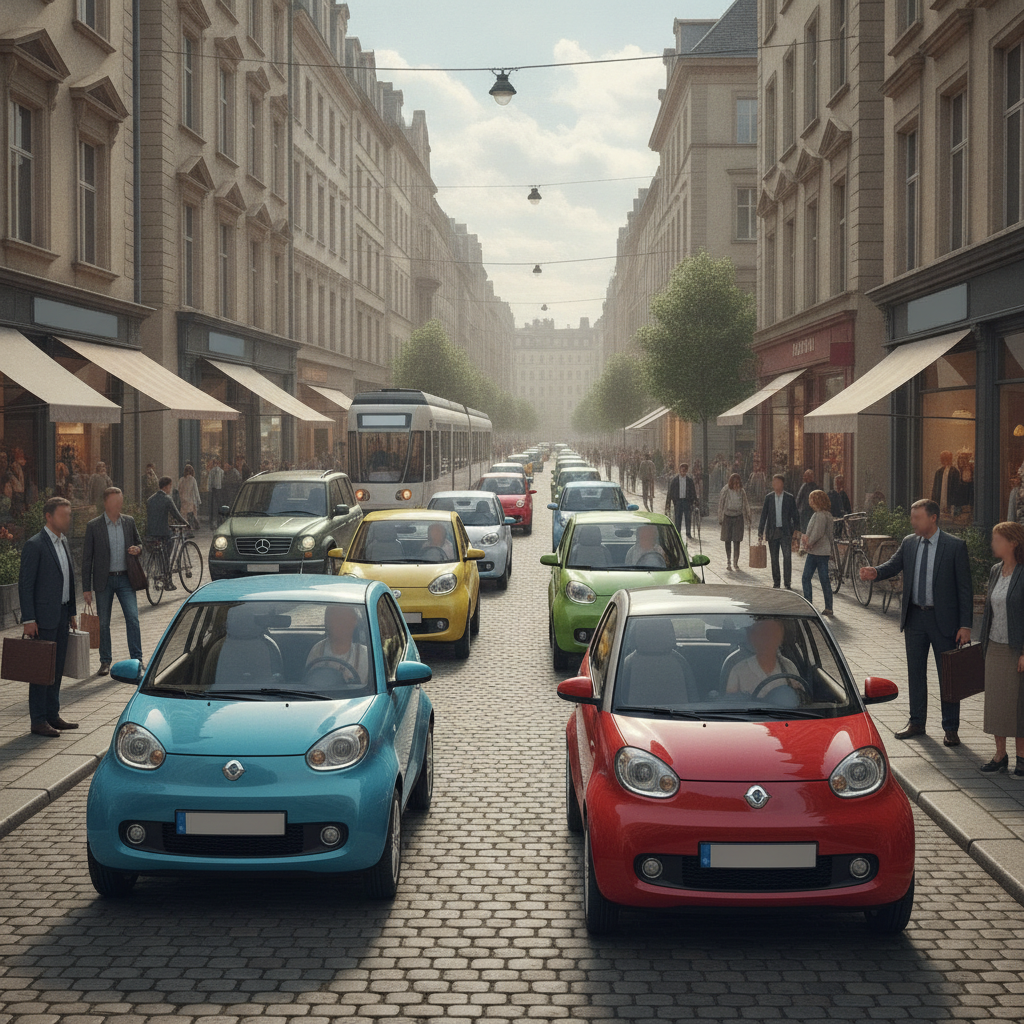
NewsWK — Transportation habits across European cities are shifting rapidly toward smaller, more practical vehicles. Drivers seeking low-cost travel are turning away from traditional full-sized automobiles. Instead, compact light quadricycles are rapidly filling city streets and suburban roads.
Why are tiny cars in Europe growing so fast?
Tiny cars in Europe are booming for two main reasons. Strict European Union regulations hit two-wheelers with heavy compliance costs. Meanwhile, young drivers seek safer, weatherproof travel options. Consequently, sales doubled from 30,000 to 60,000 vehicles over five years as zero-emission tech simplified urban travel.
Market data shows a major surge in consumer interest across the continent. For instance, annual registrations in France expanded dramatically in recent years. In 2019, French buyers registered approximately 13,000 of these light vehicles. By 2025, annual registrations reached roughly 25,000 units.
This growth reflects broader economic forces and shifting consumer priorities. Consequently, small four-wheeled vehicles offer an attractive balance between personal mobility and household budget management.
What does the shift to microcars in Europe mean for young drivers and families?
For suburban and rural families, microcars in Europe offer affordable personal mobility without full licensing burdens. Teens gain enclosed transport for daily school routines. At the same time, parents gain peace of mind compared to open mopeds on busy suburban roads.
Teenagers now represent a major demographic segment for manufacturers. In fact, young drivers account for fully 25 percent of all microcar purchases across Europe. Age requirements vary by country, so teenagers can enter the market early.
In France and Italy, Teenagers Can Legally Drive these vehicles at age 14 under specific regulatory conditions. By contrast, Germany and Spain set the legal minimum age at 15. Meanwhile, drivers in the United Kingdom can take the wheel starting at age 16.
Affordable leasing models also encourage youth adoption. For example, 16-year-old drivers like Selena rent vehicles for around €60 per month plus insurance costs. Therefore, this accessible pricing allows teenagers to secure independent transportation without purchasing a traditional vehicle.
How is the Citroën Ami electric car changing the market?
Citroën introduced the Ami electric car in 2020. The model modernized the market by replacing aging designs with an affordable, stylish electric alternative. Furthermore, the entry of major automaker Stellantis elevated consumer trust and sparked fresh investment across the entire microcar sector.
Before 2020, many buyers viewed licence-free cars in Europe as utilitarian transport for older rural residents. However, modern designs altered that perception entirely. Today, manufacturers cater heavily to suburban teens and urban commuters.
Major corporate backing has injected significant capital into manufacturing operations. For instance, French producer Aixam invested €30 million to expand its domestic manufacturing capacity. Similarly, competitor Ligier reports that young people now make up 40 percent of its total customer base.
Electrification has also swept through the market rapidly. According to AAA Data market analyst Marie-Laure Nivot, electric models accounted for over 67% of new licence-free car sales by 2026.
What drove the move toward electric microcars over traditional mopeds?
Stricter European Union emissions standards made conventional mopeds costly to manufacture after 2020. Consequently, buyers shifted toward electric microcars. These vehicles provide superior collision protection and shelter from the weather. They also offer quiet zero-emission driving at capped city speeds.
European Union environmental mandates significantly altered the light vehicle market. Specifically, complex engine standards increased manufacturing expenses for gasoline scooters. Therefore, mopeds and light two-wheelers saw steep sales declines starting in 2020.
Consumers seeking reliable alternatives migrated toward tiny four-wheeled options. These vehicles operate under strict operational limits for safety. For example, most models cap maximum speed at 45 kilometers per hour, or roughly 28 miles per hour. Furthermore, regulations strictly bar these small vehicles from motorways.
Despite speed limitations, microcars fulfill vital daily commuting needs. Drivers gain protection from rain and cold winter weather. Ultimately, as city centers restrict larger automobiles, compact options provide a practical path forward for European drivers.
This article was produced with the assistance of AI and reviewed by our editorial team.
Sources
Related: How SNAP Cuts Free School Meals and Reshape Cafeteria Budgets Across the Nation
Related: Pregnancy Resource Centers Free Services Provide Vital Aid to Families Across Nation, Report Shows