National News
Will the Bipartisan American Affordability and Jobs Act of 2026 Lower Energy Costs for U.S. Ratepayers?
Content Files PDF XML TEXT Metadata download Descriptive Metadata (MODS) Preservation Metadata (PREMIS) All Content and Metadata files, including granules ZIP


Last updated:
Key points
- Senate Bill 5653 proposes a 417-page overhaul of federal environmental reviews to accelerate energy and infrastructure projects.
- The legislation establishes strict agency deadlines and protects validly issued permits from arbitrary federal cancellation.
- New grid cost rules require large-load energy consumers like AI data centers to pay for their own infrastructure upgrades.
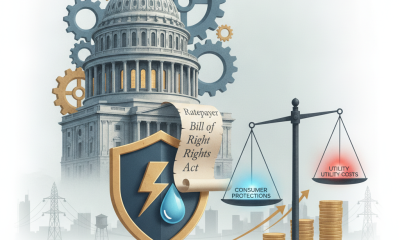
NewsWK — A new bipartisan energy permitting bill in Congress aims to overhaul the federal environmental review process. Senators introduced the legislation to accelerate infrastructure projects while shielding everyday consumers from rising utility costs.
How will the bipartisan energy permitting bill protect local utility ratepayers?
The proposed legislation shields local households from bearing the grid upgrade costs triggered by massive tech operations. Under the new rules, large-load energy consumers must pay for the specific grid infrastructure they require. Consequently, local families and small businesses will not see their monthly electricity bills spike to subsidize corporate energy demands.
These provisions establish new AI data center grid cost rules to protect ordinary consumers. The bill specifically targets high-demand facilities, including:
- Artificial intelligence data centers
- Cryptocurrency mining operations
- Large-load industrial consumers
This shift ensures that the entities causing grid strain pay their fair share.
What are the core reforms in Senate Bill 5653?
Senate Bill 5653 introduces sweeping changes to accelerate energy and infrastructure development across the United States. The 417-page legislative package establishes enforceable deadlines for environmental reviews and shortens the window for legal challenges. Furthermore, it protects valid permits from arbitrary federal cancellation.
How does S 5653 permitting reform change federal environmental laws?
The federal permitting reform bill amends several foundational environmental statutes to cut regulatory red tape. Specifically, the bipartisan coalition designed the bill to streamline processes under the National Environmental Policy Act (NEPA) and the Clean Water Act. It also modifies procedures for the Endangered Species Act and the National Historic Preservation Act.
On September 30, 2026, a bipartisan group of senators introduced the bill. The sponsors include Senators Shelley Moore Capito, Martin Heinrich, Mike Lee, and Sheldon Whitehouse. The Senate referred the bill to the Committee on Energy and Natural Resources for further review.
This article was produced with the assistance of AI and reviewed by our editorial team.
Sources
Related: House Resolution 1499 Clears Way for Critical Votes on Mining, Higher Education, and Maritime Rules
Related: Study Examines Women on Parole Mental Health and Reentry Crises Across the US
See a typo? Report it here.