Environment
Trump EPA Power Plant Emissions Rule Seeks to Slash Utility Costs
The U.S. Environmental Protection Agency will revoke limits on greenhouse gas emissions from power plants that run on coal and natural gas, according to regulatory documents Administrator Lee Zeldin signed Monday. The administration framed the action to repeal 2024 limits…

About Trump EPA Power Plant Emissions Rule
Last updated:
Key points
- The EPA issued rules revoking greenhouse gas emissions limits on coal and natural gas power plants to lower electricity costs.
- Federal regulators estimate energy producers will save at least $310 million in compliance costs under the regulatory revisions.
- Administration officials emphasized grid reliability and projected a potential tenfold expansion in domestic coal generation.
NewsWK — Households across the United States face persistent inflationary pressures and rising utility bills. Now, federal regulators are moving to ease burdens on electricity generation. The Environmental Protection Agency announced formal steps Monday to dismantle federal emissions mandates on fossil fuel facilities. The agency aims to shore up power supplies and cut household electric costs.
Why it matters
High energy prices squeeze family budgets across the nation. Power grid operators also warn about tightening electricity reserves during peak summer heat and winter freezes. By removing federal compliance mandates, officials estimate energy producers will save at least $310 million. Consequently, utilities may keep reliable baseload generation operating longer. That shift protects consumers from sudden rate spikes and unexpected blackouts.
How Will the Decision to Repeal Biden Carbon Pollution Standards Lower Power Costs?
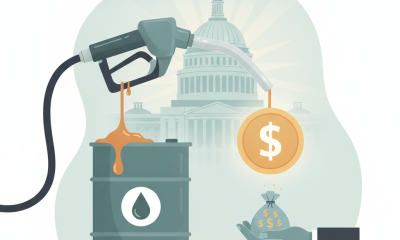
The decision lowers power costs by repealing expensive technology mandates that threatened traditional power generation. Federal regulators determined those previous targets were unachievable by 2032. Without massive compliance expenditures, energy providers avoid passing high upgrade costs directly to ratepaying families. As a result, consumers avoid sudden electric rate increases.
Federal officials published two distinct regulatory actions in the Federal Register on Monday. First, the EPA issued a final rule partially rolling back the 2024 standards. Officials concluded those mandates forced early retirements of viable facilities. Second, the agency issued a supplemental notice to review all fossil fuel greenhouse rules dating back to 2015.
Meanwhile, global market disruptions and overseas conflicts continue to strain global energy supplies. The EPA stated these regulatory rollbacks directly target electricity affordability. In addition, Administrator Lee Zeldin emphasized that expanding domestic energy production creates lasting economic relief for citizens.
“Americans will see a decrease in electricity prices, but this is just the beginning,” Zeldin said in a statement.
What Do New Coal Fired Power Plant Regulations Mean for Grid Reliability?
Revised coal-fired power plant regulations ensure that steady baseload facilities can continue operating without forced shutdowns. Coal and natural gas facilities deliver constant electricity regardless of weather conditions. Furthermore, regulators project this regulatory shift could spark a tenfold expansion in domestic coal generation. That expansion will directly support rising electrical demand.
Energy experts frequently highlight the importance of dependable baseload energy. Solar and wind facilities generate power intermittently. Therefore, the electric grid requires stable backup generators to avoid disruptions.
Key projected benefits from the revised regulatory framework include:
- Lower regulatory compliance expenses of at least $310 million for utilities.
- Extended operational lifespans for existing coal and natural gas generation units.
- Reduced consumer electricity costs through expanded domestic energy generation.
- Improved grid stability during periods of extreme winter or summer weather.
How Does Lee Zeldin EPA Power Plants Strategy Shift Federal Energy Policy?
The Lee Zeldin EPA power plants strategy shifts federal policy away from broad climate mandates toward statutory limits and consumer affordability. Regulators grounded the decision in recent judicial rulings that restricted administrative reach. In response, the agency now prioritizes grid reliability and affordable energy generation over sweeping regulatory interventions.
Last year, the agency laid essential groundwork by reconsidering earlier administrative findings on greenhouse gases. Agency leadership argued that prior mandates exceeded statutory authority granted by Congress. Furthermore, agency officials maintained that eliminating domestic emissions would not alter global temperature trends in a measurable way.
Congressional leaders from energy-producing states welcomed the shift. In particular, U.S. Sen. Shelley Moore Capito of West Virginia commended the administration’s decisive actions to preserve dispatchable energy.
“Finally, under President Trump’s leadership, we are ending the Biden-era Clean Power Plan 2.0, which was designed to eliminate coal and natural gas power generation, drastically increasing Americans’ electric bills,” Capito stated.
What Objections Are Opponents Raising Against the New Rules?
Opponents argue that eliminating emissions standards will increase atmospheric pollution and shift long-term costs onto families through climate impacts. Several Democratic lawmakers and advocacy groups pledged to challenge the rule in federal court. In addition, they predicted that individual states would impose their own local restrictions to curb emissions.
Critics, including Senate Environment and Public Works Committee member Sheldon Whitehouse, argued the previous standards prevented expensive health and disaster costs. Environmental advocacy groups such as Evergreen Action also disputed the administration’s economic calculations.
Nevertheless, administration officials maintain that affordable electricity forms the backbone of American prosperity. The agency stated that freeing energy producers from unworkable federal dictates remains essential for national economic resilience.
This article was produced with the assistance of AI and reviewed by our editorial team.
Sources
Related: Senate Introduces S. 5159 to Strengthen Power Grid Resilience and Modernize Energy Infrastructure
Related: California Emissions Lawsuit: Trump Administration Effort to Revoke Auto Rules Challenged
See a typo? Report it here.