
Justice and Law
New Kratom 7-OH Laws Sweep Across America as States Target Potent “Gas Station Heroin”
For years, the psychoactive compound kratom has been sold across much of the United States as an herbal supplement, available in powders, capsules and extracts with few of the restrictions applied to controlled substances. But the market is changing. Products…

Last updated:
Key points
- States are rapidly enacting new kratom 7-OH laws to address highly potent, semi-synthetic products sold in local retail stores.
- Poison control reports involving kratom derivatives have surged, prompting calls for stricter consumer safety regulations.
- The federal government is moving to classify several synthetic kratom compounds as Schedule I controlled substances.
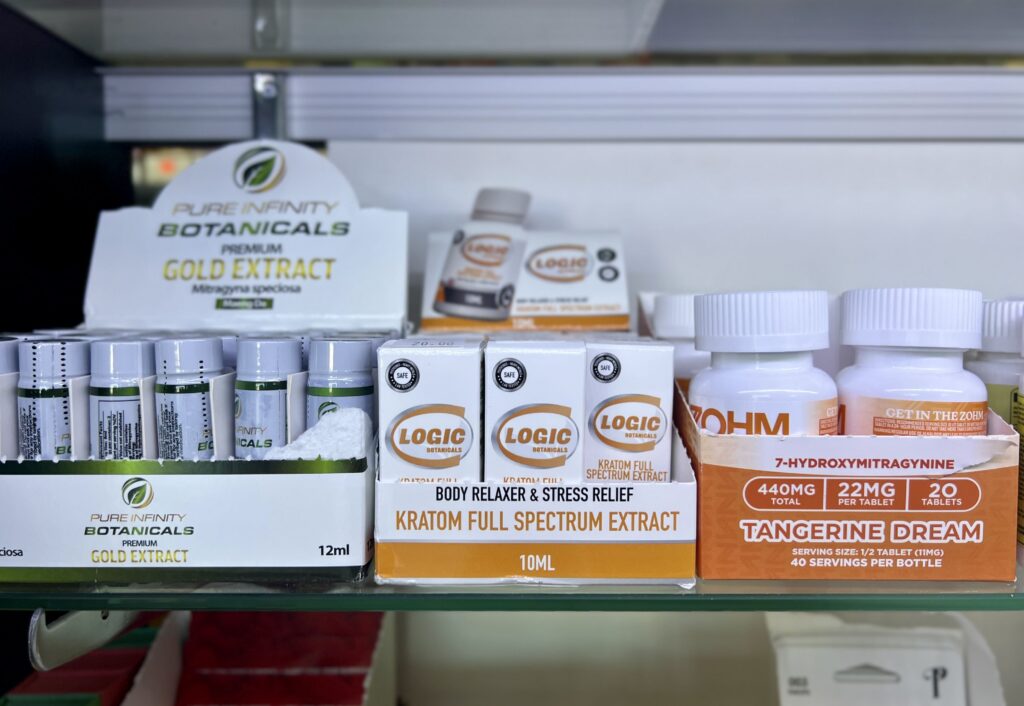
NewsWK — Families across the United States face a growing threat from potent synthetic drugs. Often, these items sit openly on shelves at local gas stations and convenience stores. Many consumers mistake them for safe, natural herbal supplements. However, these substances frequently contain concentrated chemicals that mimic dangerous opioids. As a result, state lawmakers are scrambling to update their drug policies.
What is driving the push for new kratom 7-OH laws?
State lawmakers nationwide are enacting strict kratom 7-OH laws to curb the spread of highly concentrated synthetic products. These new regulations separate traditional botanical leaf from addictive, chemically altered extracts. Specifically, officials want to restrict modified substances that target opioid receptors in the human brain.
Traditional kratom comes from the leaves of the Mitragyna speciosa tree. This plant is native to Southeast Asia. For years, people used raw leaves for mild energy or pain relief. But the retail market has changed dramatically. Manufacturers now extract and concentrate specific alkaloids from the plant. The most potent compound is 7-hydroxymitragynine, known as 7-OH. This chemical interacts heavily with the brain’s mu-opioid receptors. Consequently, it triggers effects similar to morphine or fentanyl.
Because of these powerful opioid-like effects, critics call these concentrated items “gas station heroin.” This danger has prompted a nationwide call for strict gas station heroin laws. Dr. Alta DeRoo, chief medical officer of the Hazelden Betty Ford Foundation, explained the chemical shift. “It’s easier to become dependent and more euphoric with the 7-OH, and so coming off of it is more dramatic as well,” DeRoo stated. Therefore, public health officials warn that addiction risks are exceptionally high.
How does the rise of synthetic kratom affect local communities and families?
The influx of unregulated synthetic kratom products directly threatens public safety across many communities. Furthermore, these potent substances place heavy burdens on local emergency services and families. Because these items remain easily accessible in stores, young people face heightened risks of severe addiction and accidental poisoning.
This crisis hits local communities hard. For example, poison control centers report a massive surge in toxic exposures. According to federal data, U.S. poison centers logged 14,449 kratom-related exposure reports between 2015 and 2025. In 2025 alone, centers received 3,434 reports. That total represents a 1,200% increase over a single decade. Moreover, the upward trend is accelerating quickly. During the first half of 2026, poison centers recorded 3,190 reports. If this pace continues, 2026 cases will rise by 68% compared to last year.
Meanwhile, local tragedies are forcing lawmakers to act. In Mississippi, police found potent synthetic kratom products while investigating the recent deaths of two college students. Although toxicology reports are pending, the discoveries alarmed local parents and officials. Therefore, this fear has sparked a push for a statewide 7-hydroxymitragynine ban. In addition, many families argue that these unregulated chemicals do not belong on store shelves.
Why are state kratom laws diverging across the country?
States take vastly different approaches to state kratom laws as they balance consumer access with public safety. Some local governments have enacted total bans on the entire plant. Meanwhile, other jurisdictions implement targeted restrictions on concentrated extracts and synthetic formulations to protect adult consumers.
Currently, at least 31 states regulate kratom in some capacity. During the 2025 and 2026 legislative sessions, lawmakers in 36 states introduced bills targeting 7-OH and synthetic compounds. However, their legislative methods vary widely. Some states choose total prohibition. In contrast, others prefer consumer protection rules and age limits.
The current landscape of state kratom laws includes several distinct strategies:
- Total Prohibition: Fourteen states have banned all forms of kratom. For instance, Tennessee enacted a statewide ban in July. Massachusetts also placed all kratom products on its Schedule I list.
- Potency Caps: Thirteen states limit the concentration of active ingredients. Oklahoma, for example, caps 7-OH at 1% of total alkaloids.
- Retail Restrictions: Twenty-four states impose age limits and labeling standards. Similarly, Mississippi bans sales to minors and outlaws specific synthetic variations.
Some states are actively revising their policies to find a middle ground. For example, Rhode Island recently repealed its total kratom ban. Instead, the state established a regulated market for adults aged 21 and older. However, the state still outlaws synthetic alkaloids and adulterated products.
Meanwhile, other officials believe current regulations remain far too weak. In Oklahoma, Republican State Representative Tim Turner announced plans to introduce stricter legislation. “It is time to stop treating this like just another product on a convenience store shelf,” Turner said. Furthermore, he emphasized that manufacturers must face accountability if their products harm residents.
What are the latest synthetic kratom regulations at the federal level?
Federal regulators are stepping in with targeted synthetic kratom regulations to control high-potency formulations. Importantly, these actions restrict modified products without criminalizing traditional botanical leaves. Consequently, the Drug Enforcement Administration is moving to classify several dangerous synthetic derivatives as Schedule I controlled substances.
The federal government targets modified compounds to protect the public. In August, the Drug Enforcement Administration placed three synthetic substances into Schedule I. These compounds include mitragynine pseudoindoxyl, MGM-15, and MGM-16. Furthermore, this temporary ban will last through August 2028. Additionally, federal officials plan to schedule 7-OH products that exceed a 0.05% concentration threshold.
This targeted federal action does not affect traditional botanical leaf. In response, industry groups generally support these federal steps. They want to protect the market for natural leaf while eliminating dangerous synthetic products. However, local communities remain on high alert. Until stricter rules take effect, parents must stay vigilant about items sold at local corner stores.
This article was produced with the assistance of AI and reviewed by our editorial team.
Sources
Related: Study Examines Women on Parole Mental Health and Reentry Crises Across the US
Related: House Resolution 1499 Clears Way for Critical Votes on Mining, Higher Education, and Maritime Rules
See a typo? Report it here.