
California
How Florida Abortion Pill Restrictions Highlight a Growing State-Led Push Against Telehealth Prescriptions
As they await a federal decision on a potential nationwide ban on telehealth abortions, anti-abortion activists plan to push more states to require women to visit a doctor’s office, get an ultrasound or wait before they can get abortion pills.…

Last updated:
Key points
- Florida is one of 10 states without a total ban that still requires an in-person visit, ultrasound, and waiting period for medication abortions.
- Pro-life advocates argue that mandatory ultrasounds are essential to screen for life-threatening conditions like ectopic pregnancies before prescribing mifepristone.
- Ongoing federal lawsuits are testing whether state-level restrictions on abortion pills can legally override federal FDA approval guidelines.
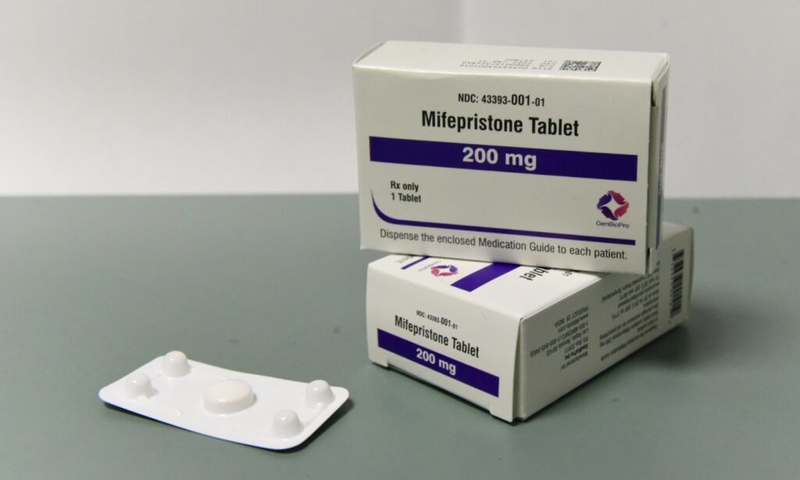
NewsWK — Pro-life advocates across the nation are pushing for tighter controls on chemical abortion drugs. They want states to require in-person doctor visits and mandatory medical imaging. Currently, federal guidelines from the Food and Drug Administration do not require these steps. However, many states have enacted their own rules to ensure patient safety. Florida stands at the forefront of this policy debate with its strict regulations.
How Do Florida’s Regulations Shape Healthcare Choices for Local Residents?
Florida abortion pill restrictions require women to undergo an ultrasound and wait 24 hours before obtaining medication. Because the state also enforces a six-week limit, these combined rules create a narrow window for patients. Consequently, some women choose to travel to other states for services, while others seek alternative healthcare options locally.
Under the Florida six week abortion ban, timing is critical for patients. Many women do not realize they are pregnant before the six-week mark. The mandatory 24-hour waiting period adds another layer of scheduling difficulty. For some, these logistics require taking time off work or arranging travel.
Meanwhile, local pregnancy resource centers and medical clinics must navigate these strict timelines. Supporters of the law argue that these measures protect women from rushed decisions. They believe the reflection period ensures fully informed consent. Conversely, opponents argue the restrictions create unnecessary hurdles for women seeking timely medical care.
What Are the Current Florida Abortion Pill Restrictions?
Florida abortion pill restrictions mandate that patients receive an in-person physical exam and an ultrasound before obtaining medication. Under state law, providers cannot mail these prescription drugs directly to patients. These rules ensure that medical professionals physically evaluate patients before administering potentially high-risk drugs like mifepristone.
The state requires a two-step protocol for medication abortions. This process utilizes the drugs mifepristone and misoprostol. While federal rules allow providers to mail these pills, Florida law prohibits telehealth distribution. Patients must visit a licensed clinic or doctor’s office in person.
Additionally, the state enforces the following key provisions:
- A mandatory ultrasound to determine gestational age.
- A 24-hour waiting period between the initial consultation and the procedure.
- In-person dispensing of the abortion-inducing medication.
These rules place Florida among 10 states that enforce active restrictions despite not having a total ban. Other states with similar requirements include Georgia, Iowa, and North Carolina.
How Do Telehealth Abortion Laws Impact Patient Safety and Consent?
State-level telehealth abortion laws seek to address safety concerns that federal regulators have largely dismissed. Pro-life medical groups argue that remote prescribing prevents doctors from detecting life-threatening conditions like ectopic pregnancies. Therefore, local restrictions aim to restore clinical oversight and protect women from severe medical complications at home.
The FDA first approved mifepristone in 2000 under strict safety protocols. However, the federal government gradually loosened these rules over the next two decades. In 2021, the Biden administration suspended the in-person dispensing requirement. By 2023, the FDA made telehealth prescribing permanently legal at the federal level.
Today, medication abortions account for approximately 65% of all abortions nationwide. Furthermore, about 28% of these procedures occur through telehealth platforms. Pro-life organizations argue this rapid shift compromises patient safety.
Why Is the Abortion Pill Ultrasound Requirement a Central Battleground?
The abortion pill ultrasound requirement serves as a vital safeguard for maternal health. Pro-life physicians state that an ultrasound is the only reliable way to rule out an ectopic pregnancy before administering mifepristone. Without this imaging, patients face a higher risk of undetected internal bleeding and other severe complications.
Medical groups like the American Association of Pro-Life Obstetricians and Gynecologists emphasize the necessity of physical exams. Dr. Christina Francis, the organization’s CEO, strongly advocates for these diagnostic standards.
“We believe that women deserve fully informed consent, and that necessarily involves an ultrasound when we’re talking about pregnancy,”
Francis stated.
However, some mainstream medical organizations argue that routine ultrasounds are not always necessary. They claim that patients with regular cycles can safely use telehealth. Despite this, pro-life advocates insist that government standards must protect the vulnerable. They argue that remote providers cannot guarantee a patient is not acting under coercion.
What Does the Legal Landscape Look Like for State Versus Federal Rules?
The legal battle over mifepristone FDA regulations centers on whether federal authority overrides state laws. While some courts have ruled that states cannot block FDA-approved mail-order drugs, others have upheld state-level restrictions. Consequently, the conflict between federal drug approvals and state police powers remains unresolved.
Currently, multiple legal challenges are moving through the Federal Court system. For example, a federal judge in North Carolina recently upheld that state’s ultrasound mandate. However, the judge also ruled that the state could not ban the mailing of the pills. This case is currently pending appeal.
Meanwhile, pro-life legal groups defend the rights of states to regulate medicine. Bradley Kehr, vice president of legal affairs for Americans United for Life, highlighted these safety concerns.
“There are comorbidities that come with mifepristone, like ectopic pregnancies that need to be diagnosed prior to the actual provision of mifepristone,”
Kehr said.
Additionally, several Republican attorneys general have launched lawsuits against “shield law” states. These lawsuits target states like California and New York. Doctors in those states often prescribe pills to women living in areas with restrictions. Pro-life officials argue these shield laws violate state sovereignty and endanger out-of-state patients.
This article was produced with the assistance of AI and reviewed by our editorial team.
Sources
Related: Federal Court Filing Reveals Timeline for FDA Abortion Pill Safety Review
Related: State Mandates Expand Abortion Medication to College Campuses as Colorado Joins Wave
Related: Louisiana Telehealth Abortion Lawsuit Heads to Federal Appeals Court
See a typo? Report it here.