Local Business
Louisiana Telehealth Abortion Lawsuit Heads to Federal Appeals Court
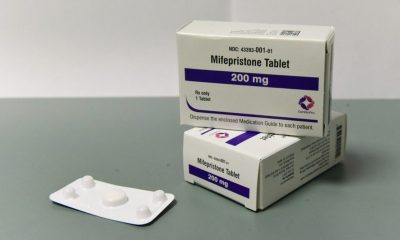
Next week, the U.S. 5th Circuit Court of Appeals will consider Louisiana’s arguments for tightening federal policy around a common abortion and miscarriage drug. The primary target of Louisiana v. Food and Drug Administration and similar lawsuits against mifepristone is…

Last updated:
Key points
- The 5th U.S. Circuit Court of Appeals hears arguments Wednesday in Louisiana’s challenge to federal mail-order abortion pill rules.
- State officials argue that FDA telehealth policies violate state sovereignty and allow out-of-state prescribers to bypass local laws.
- Data indicates that over 9,300 mail-order chemical abortion regimens entered Louisiana last year despite state prohibitions.
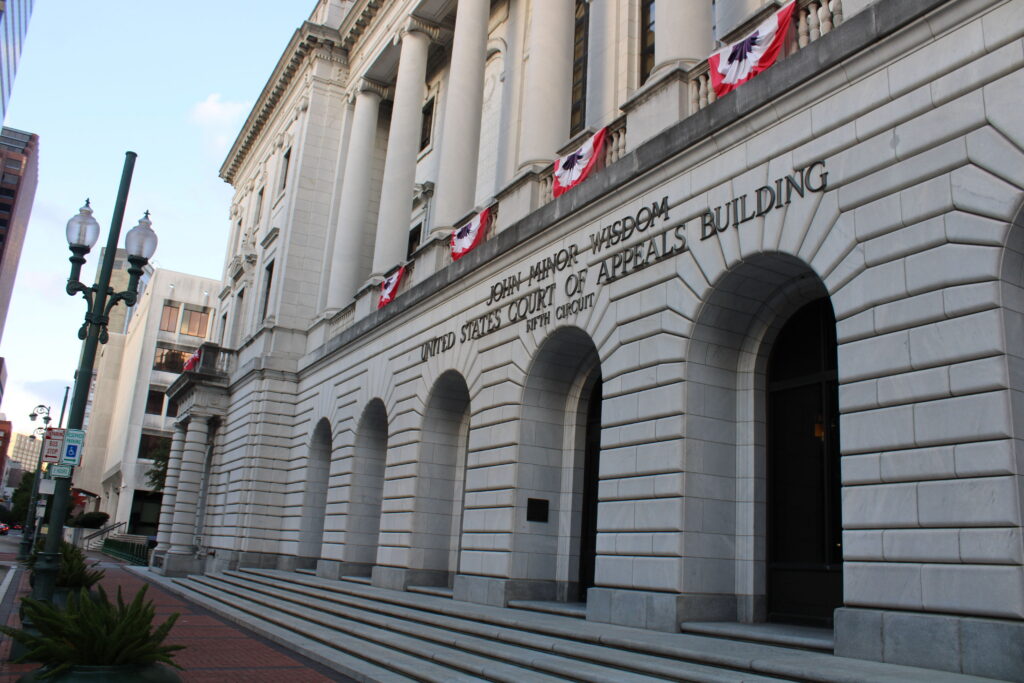
NewsWK — A critical battle over state sovereignty and federal authority heads to New Orleans this week. Judges on the 5th U.S. Circuit Court of Appeals will hear oral arguments in Louisiana v. FDA on Wednesday. State officials seek to invalidate federal policies that permit abortion medication deliveries through the mail. Across the United States, observers view the challenge as a definitive test of post-Roe state protections.
Why it matters
This high-stakes legal contest determines whether individual states maintain constitutional authority to enforce pro-life laws within their borders. Mail-order distribution allows remote providers to bypass local prohibitions. Therefore, the outcome directly affects enforcement standards, maternal health safeguards, and protections for unborn children nationwide.
In addition, state leaders argue that federal agencies have undermined local statutes enacted after the Supreme Court overturned Roe v. Wade in 2022. Under current federal rules, prescribers ship chemical abortion regimens into states that prohibit the practice. According to data from the Guttmacher Institute, providers mailed approximately 91,000 abortion prescriptions into states with bans last year. In Louisiana alone, women received more than 9,300 mailed regimens.
Consequently, state prosecutors face significant hurdles while trying to enforce local criminal codes. Furthermore, state officials point to severe safety risks when women take powerful medications without prior medical examinations.
What is the core dispute in the 5th Circuit Court abortion pill case?
The 5th Circuit case centers on whether the Food and Drug Administration exceeded its statutory authority by lifting safeguards on mifepristone. Louisiana contends that the agency ignored safety risks when it authorized remote prescribing and mail delivery. Consequently, the state argues that these federal rules unlawfully violate state police powers.
Originally, federal regulations required patients to obtain mifepristone in person from a certified healthcare provider. However, the Biden administration removed the in-person requirement during the COVID-19 pandemic. Regulators finalized that change in 2023. Thus, state attorneys argue that this federal policy directly conflicts with the Supreme Court’s 2022 ruling in Dobbs v. Jackson Women’s Health Organization.
In court filings, the state maintains that Washington cannot nullify state criminal laws through executive decrees. Additionally, private plaintiffs have joined the lawsuit alongside state officials. Among them is a Louisiana woman who alleges that her former boyfriend coerced her into taking abortion pills without her informed consent. Her presence directly addresses procedural questions that stalled earlier legal efforts.
“If Louisiana wins this case, we’re going to see for the first time what it looks like under an actual Dobbs regime, where pro-life states get to enforce their laws protecting the unborn,” stated Gabriella McIntyre, legal counsel for Alliance Defending Freedom.
How does this challenge enforce the Louisiana mifepristone ban?
The litigation seeks to close regulatory loopholes that currently frustrate the Louisiana mifepristone ban and similar state statutes. By requiring in-person doctor consultations, the state aims to stop out-of-state entities from mailing restricted substances across state lines. Therefore, reinstating safety standards restores local enforcement authority.
Currently, federal rules permit remote doctors to prescribe abortion pills without conducting physical exams or ultrasounds. But Louisiana law restricts mifepristone and classifies the drug under state controlled-substance frameworks. Moreover, state attorneys insist that in-person medical visits remain vital. These appointments confirm gestational age, detect ectopic pregnancies, and prevent coerced ingestion. As a result, reinstating federal safety baselines reinforces state authority to inspect and prosecute unlawful distribution rings.
What is the legal background of Louisiana v. FDA?
The dispute in Louisiana v. FDA follows years of legal battles over telehealth abortion pills. In 2024, the U.S. Supreme Court dismissed an earlier lawsuit by medical associations due to a lack of standing. However, state attorneys general quickly filed new challenges to assert state sovereign interests directly.
Earlier this year, the 5th Circuit granted Louisiana’s motion to temporarily reinstate in-person dispensing rules. Still, the Supreme Court stayed that preliminary order, keeping telehealth access in place during ongoing proceedings. Two competing lawsuits in Missouri and Texas also challenge federal distribution rules. Together, these cases target executive-branch policies that shield telehealth abortion pills from state oversight.
Meanwhile, the federal government has taken a complex procedural stance in court. The Trump administration asked federal judges to pause the litigation pending an internal safety review of mifepristone. Regulators plan to release that review later this year. Nevertheless, newly confirmed Attorney General Todd Blanche told faith leaders that the Department of Justice will focus on restricting unlawful chemical abortion access.
Legal analysts anticipate an intensive hearing on Wednesday morning. Several key elements will shape the upcoming arguments:
- State Standing: Louisiana must demonstrate that federal mailing policies inflict direct regulatory and financial harm on the state.
- Administrative Law: Judges will review whether the FDA adequately studied safety concerns before ending in-person visits.
- Federalism Limits: The court will examine whether federal drug approvals preempt state-level restrictions on distribution.
Ultimately, legal observers expect the 5th Circuit ruling to prompt another appeal to the nation’s highest bench. The final decision will establish whether state voters and legislatures retain the power to govern medicine and protect life.
This article was produced with the assistance of AI and reviewed by our editorial team.
Sources
Related: Democrats aim to emulate Republicans in building state power
Related: Supreme Court Lifts Injunction on Federal Mail-In Ballot Security Standards Ahead of Midterms
Related: Federal Court Filing Reveals Timeline for FDA Abortion Pill Safety Review
See a typo? Report it here.