Health News
Milwaukee Patient Demands Wisconsin Crisis Pregnancy Center Investigation Following Severe Medical Complication
A Wisconsin woman is asking the state attorney general’s office to investigate anti-abortion crisis pregnancy centers after she says one of them failed to diagnose an ectopic pregnancy that caused her to need emergency surgery and resulted in the loss…


Last updated:
Key points
- A Milwaukee resident petitioned Wisconsin Attorney General Josh Kaul to investigate pregnancy resource facilities following an alleged ectopic pregnancy misdiagnosis.
- The patient required emergency surgery to remove both fallopian tubes after non-physician staff allegedly scanned her digestive organs instead of her uterus.
- State lawmakers and healthcare providers are examining scheduling backlogs and regulatory oversight regarding non-profit community pregnancy centers.
NewsWK — A Milwaukee resident has formally requested state legal action against a local faith-based pregnancy resource facility. The patient suffered severe medical complications after an alleged misdiagnosis. Consequently, she lost her natural fertility.
Codyone Cameron, 32, submitted a petition through legal representatives to Wisconsin Attorney General Josh Kaul. The filing urges state officials to examine business practices and advertising claims at resource facilities across the state. Furthermore, it questions whether unlicensed individuals are performing medical procedures.
What led to the call for a Wisconsin attorney general crisis pregnancy centers inquiry?
Codyone Cameron requested a formal investigation after staff at a local support facility allegedly misidentified her pregnancy. She claims workers misread a free ultrasound scan. Consequently, the legal filing asks state prosecutors to review faith-based pregnancy centers across Wisconsin. Specifically, it questions deceptive advertising, improper fundraising, and unlicensed medical practices.
Cameron sought a medical evaluation in August after learning she was pregnant. She had a previous ectopic pregnancy, so early abdominal pain created immediate concern. However, local obstetrician-gynecologist offices faced long appointment backlogs. Therefore, a healthcare referral directory guided Cameron toward Life’s Connection. This facility offered immediate, free ultrasound appointments.
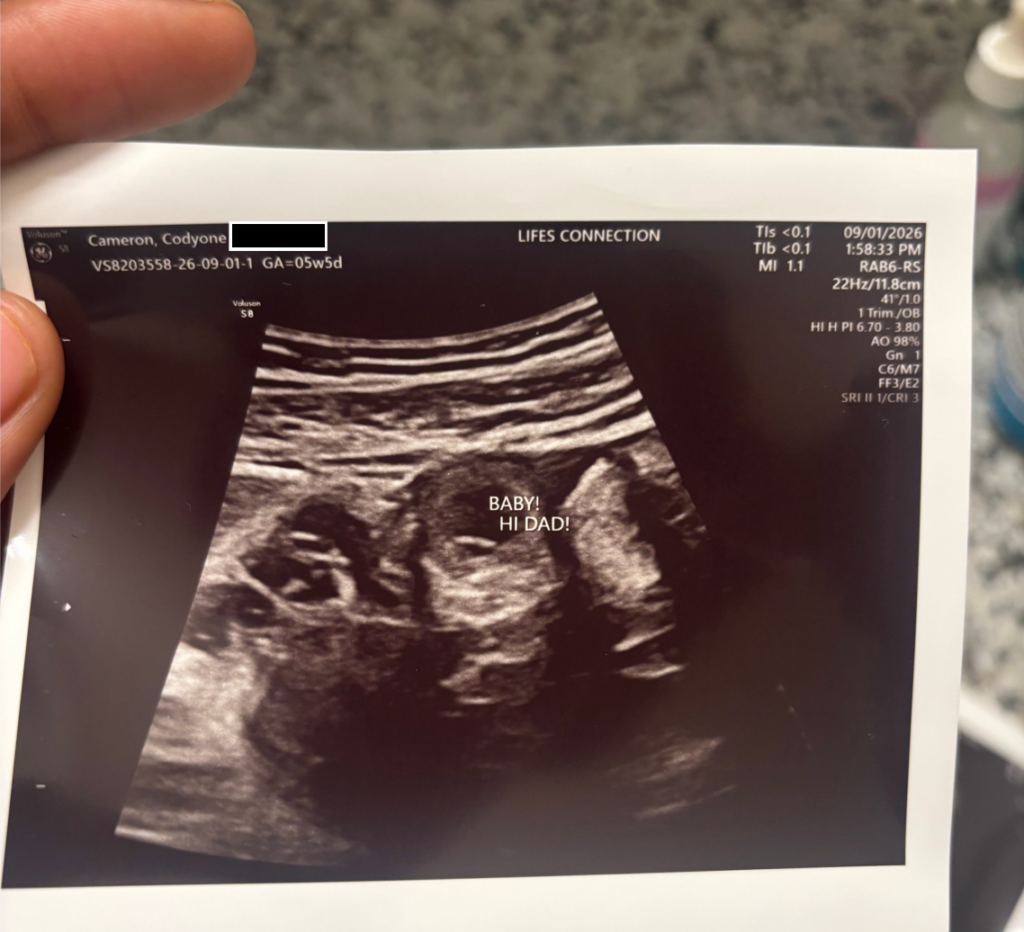
During her visit, a staff member wearing medical scrubs conducted an ultrasound scan. Next, the worker assured Cameron that her embryo had implanted safely inside her uterus. The worker also provided gestational measurements and an estimated due date. Reassured by these findings, Cameron initially set aside her physical pain and returned home.
How did the alleged Life’s Connection Milwaukee ectopic pregnancy error occur?
The alleged Life’s Connection Milwaukee ectopic pregnancy misdiagnosis occurred when non-physician staff misinterpreted ultrasound images during an initial consultation. Later, an evaluation by a qualified medical doctor revealed striking errors in the scan. Specifically, the facility’s ultrasound had imaged internal digestive organs rather than a uterine cavity. This error delayed critical emergency treatment.
More than a week after the initial consultation, Cameron experienced escalating, severe abdominal pain. Therefore, she visited Care for All, a comprehensive local community healthcare clinic. There, a physician reviewed the printed ultrasound images from the previous center. Ultimately, the doctor discovered that the scan showed Cameron’s digestive system rather than her uterus.
Alice Wang serves as a senior staff attorney for the Center for Reproductive Rights. She noted the doctor’s reaction during the examination. “The provider told her, ‘I’m so sorry, these are not photos of your uterus,'” Wang stated.
What was the outcome of the Milwaukee crisis pregnancy center misdiagnosis?
The outcome of the Milwaukee crisis pregnancy center misdiagnosis involved immediate emergency surgery to remove both fallopian tubes. The undetected ectopic pregnancy had reached an advanced stage. Thus, medical providers could not preserve her organs. Consequently, Cameron can no longer achieve pregnancy naturally without costly in vitro fertilization procedures.
Following the emergency clinic discovery, doctors immediately directed Cameron to a hospital emergency room. Surgeons performed an immediate intervention to eliminate severe internal risks. However, the advanced stage of the ectopic pregnancy required the complete removal of her fallopian tubes.
Staff members at Life’s Connection declined to address the specific allegations when contacted for comment. Meanwhile, Riley Vetterkind, a spokesperson for Attorney General Josh Kaul, addressed the inquiry generally. Vetterkind noted that the state justice department typically does not confirm or deny active investigations.
What does this situation mean for healthcare access and patient oversight in Wisconsin?
This incident highlights growing public discussion regarding appointment wait times, clinical oversight, and consumer protections across Wisconsin healthcare networks. Medical professionals emphasize that long delays at traditional clinics create significant challenges. As a result, patients often seek fast, zero-cost alternatives at non-profit community pregnancy centers.
Dr. Anwar Jackson, a Milwaukee-based practicing OB-GYN, explained that traditional clinics often face significant scheduling delays. For instance, pregnant patients sometimes wait up to two months for an initial appointment. Consequently, non-profit pregnancy centers attract individuals by offering immediate care without charge.
Several key factors shape the current local landscape regarding these facilities:
- Healthcare Availability: Provider shortages across Wisconsin create scheduling backlogs at standard obstetric practices.
- Financial Incentives: Free ultrasound services appeal strongly to lower-income or uninsured residents.
- Regulatory Definitions: Many resource centers offer non-diagnostic ultrasounds under limited regulatory frameworks.
- Federal Directories: Life’s Connection appears on official federal resource listings, including federal health agency portals.
Medical experts emphasize that basic clinical training should easily distinguish intestinal tissue from uterine structures. Meanwhile, healthcare advocates and state lawmakers plan to examine potential oversight measures during upcoming legislative sessions.
What background surrounds state funding and regulatory oversight for these facilities?
State and federal records show that non-profit pregnancy resource centers operate under varying governmental guidelines. Previously, Wisconsin lawmakers approved $69,100 in state funding for pregnancy counseling grants across fiscal years 2026 and 2027. Consequently, this funding has sparked ongoing debate over oversight standards for recipient organizations.
Nationwide, state governments allocated over $491 million to resource centers between fiscal years 2022 and 2025. In addition, federal agencies maintain public resource listings. These directories include local facilities alongside federally qualified health centers. However, many community centers explicitly state on their websites that their ultrasounds remain limited and non-diagnostic.
State officials now consider the petition. Meanwhile, public healthcare advocates and lawmakers intend to discuss standards for non-profit medical services. Currently, Cameron’s legal submission remains under review by state authorities.
This article was produced with the assistance of AI and reviewed by our editorial team.
Sources
Related: Crisis Pregnancy Centers in Louisiana Face Oversight Challenges Amid Ultrasound Use
Related: Pregnancy Resource Centers Free Services Provide Vital Aid to Families Across Nation, Report Shows
Related: California Reproductive Privacy Act Lawsuit Targets Los Angeles over LAPD Stillbirth Inquiry
Related: How the Maternity Billing Codes Change Will Impact Doctors and Patient Care