Arkansas
How Doomsday Conspiracy Theories Spread After National Outages and Emergency Tests
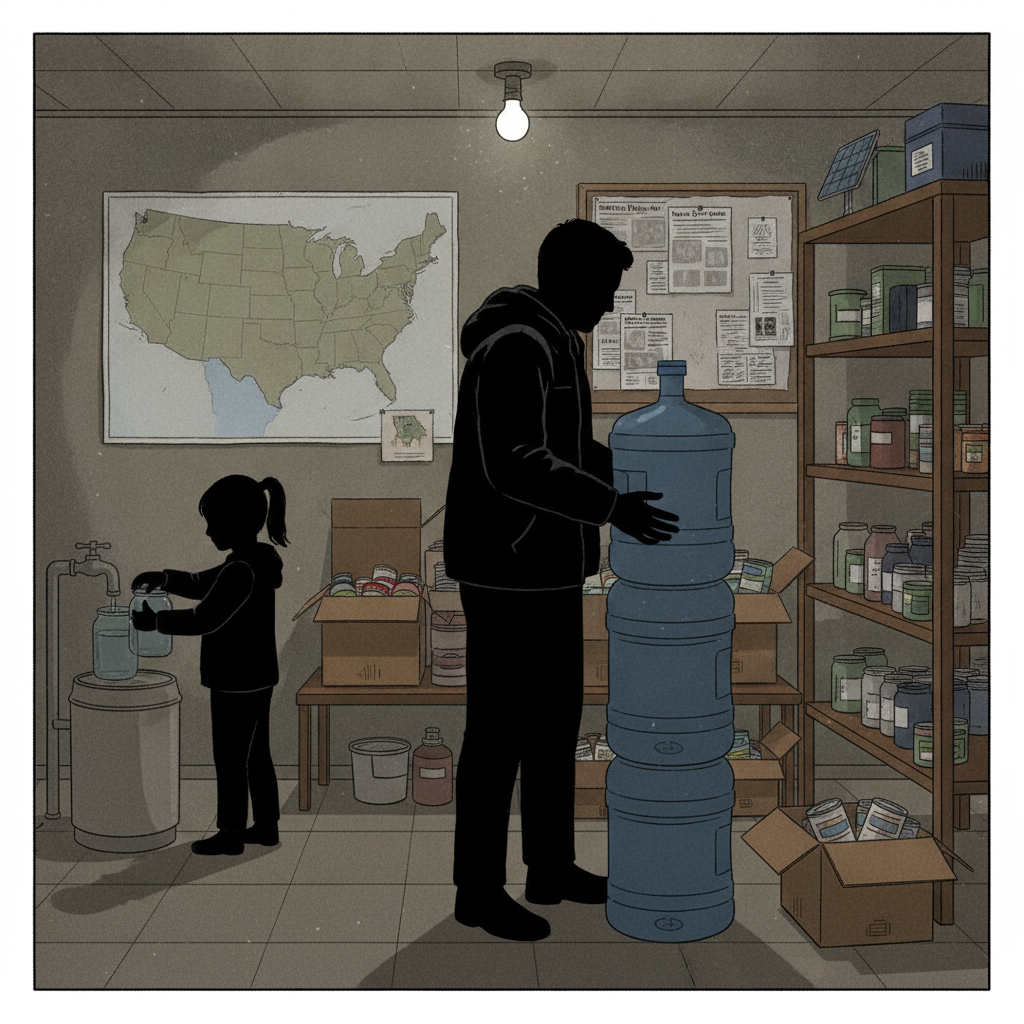
Stock up on food and medicine. Fill containers with water. Prepare to live off the grid for at least 90 days. Those were among the warnings circulating on social media in recent weeks, as online posts predicted a looming national…


Last updated:
Key points
- Federal officials confirmed recent aviation, tech, and banking outages were unrelated technical glitches rather than a cyberattack.
- Routine emergency alert tests by FEMA and the FCC were falsely cited by viral online posts as evidence of an imminent blackout.
- Leaders urge practical family preparedness for localized emergencies while dismissing sensational grid-collapse rumors.
NewsWK — Independent technical disruptions recently hit aviation, banking, and communications sectors. Consequently, these glitches sparked a wave of viral panic across social media. Federal authorities confirmed that no central cyberattack or nationwide emergency occurred. However, online rumors spread rapidly. This panic highlighted how easily routine technical glitches unsettle communities when trust in national infrastructure remains fragile.
What do nationwide outages doomsday rumors reveal about public confidence?
Recent technology glitches sparked a surge of viral claims predicting nationwide blackouts and cyber collapse. Federal officials confirmed these disruptions were isolated technical events. Nevertheless, social media panic rose quickly. This reaction shows how easily routine glitches unsettle citizens when trust in basic infrastructure remains low.
Several high-profile technical failures hit national networks in quick succession. First, Microsoft suffered service disruptions from November 12 through November 14 due to internal technical problems. Next, the Federal Aviation Administration temporarily grounded flights on November 13. That disruption happened after a contractor experienced router issues in Arkansas. Furthermore, additional technical glitches briefly affected major financial institutions, Apple services, and internal federal network operations.
Online accounts quickly linked these unrelated events into alarming narratives. For example, viral videos on TikTok warned residents to prepare for an immediate 90-day nationwide grid failure. Misleading posts also circulated manipulated video footage of President Donald Trump to falsely claim a blackout announcement. Meanwhile, those same posts pushed readers to purchase cryptocurrency. Federal agencies clarified that no secret emergency existed, yet the claims spread rapidly across online communities.
What do recent cyber threats and grid concerns mean for American households?
Daily life relies heavily on complex digital networks and power grids. Therefore, local families face real risks when regional utilities, transportation hubs, or medical centers suffer technical disruptions. However, federal leaders emphasize that basic preparedness beats panic. Officials encourage citizens to maintain sensible emergency supplies without falling for viral hysteria.
Federal officials moved quickly to calm public anxieties regarding grid security. Specifically, Homeland Security Secretary Markwayne Mullin told reporters that families do not need extreme emergency food stockpiles. He noted that residents should not fear imminent utility failures. Similarly, Vice President JD Vance urged calm while encouraging practical self-reliance for ordinary weather or localized events.
“We do not see some crisis coming down, but you have to be prepared for everything,” Vance stated during an interview with Fox News.
Sensible family readiness remains a practical goal under global emergency management standards. For instance, the United Kingdom, France, and Germany recommend maintaining a basic three-day supply of food, water, and medicine. That approach helps households handle localized power outages or winter storms. As a result, families can stay safe without resorting to extreme doomsday conspiracy theories or off-grid panic.
How does the FEMA emergency alert test conspiracy feed online panic?
The scheduled November test of the national alert system arrived alongside unrelated technical failures. Consequently, that timing gave online rumor-mongers easy ammunition. Emergency managers rely on routine broadcast tests to ensure system reliability. Yet, false claims transformed a basic safety exercise into evidence of an impending government shutdown or covert emergency.
The Federal Emergency Management Agency and the Federal Communications Commission conducted the routine test on November 17. Federal guidelines mandate these nationwide evaluations at least once every three years to test emergency broadcast reach. However, the test coincided with commercial service outages. Because of this timing, online users falsely labeled the routine alert as proof of an impending blackout. Ultimately, FEMA publicly addressed the claims and emphasized that the scheduled test had no connection to any active crisis.
Why are real cyberattack doomsday predictions prompting federal infrastructure debates?
Lawmakers and security experts are focusing on genuine vulnerabilities in the nation’s electric power and communication networks. Although internet rumors exaggerate short-term risks, aging systems and rising cyber threats remain serious concerns. Therefore, experts warn that the country requires stronger defenses, smart governance, and enhanced state-level emergency management capabilities.
This flare-up of public concern occurs alongside genuine evaluations of national infrastructure. In fact, the American Society of Civil Engineers awarded United States infrastructure an overall grade of C in its 2025 report card. Meanwhile, energy and aviation systems both received a D+ rating. Those grades highlight a $3.7 trillion funding shortfall to modernize essential facilities.
Cybersecurity experts also warn that growing digital connectivity creates cascading risks. Specifically, localized failures can severely impact critical sectors like healthcare or transportation. In Congress, lawmakers recently questioned Cybersecurity and Infrastructure Security Agency leadership. They asked about national defenses against state-sponsored hackers and automated threats. Meanwhile, emergency management leaders advocate for empowering state agencies to handle disaster response directly. Ultimately, localized resilience keeps communities prepared for real-world storms or cyber disruptions without giving in to widespread fear.
This article was produced with the assistance of AI and reviewed by our editorial team.
Sources
Related: Study Examines Women on Parole Mental Health and Reentry Crises Across the US
Related: House Resolution 1499 Clears Way for Critical Votes on Mining, Higher Education, and Maritime Rules