
Health News
How Sugar Rationing Biological Age Findings Reveal Long-Term Health Impacts
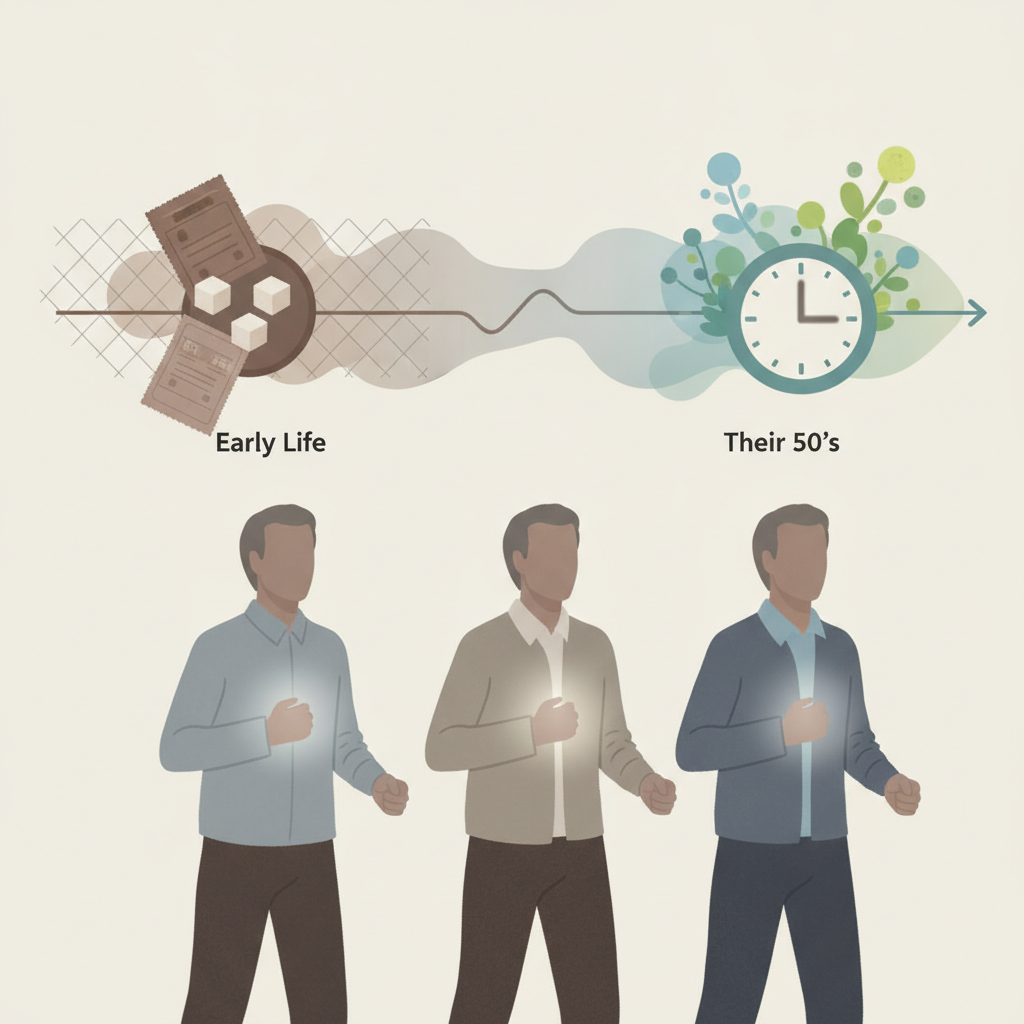
People Exposed to Sugar Rationing in Early Life Appear Biologically Younger in Their 50s In Britain, sugar restrictions linked to lower biological age — ScienceAlert Lower sugar exposure in the first 1000 days linked to slower biological ageing


Last updated:
Key points
- Adults exposed to sugar rationing during their first 1,000 days showed lower biological aging acceleration in their 50s.
- Participants with the longest exposure were biologically about five months younger than unexposed peers.
- Early sugar restrictions lowered later-life risks for chronic kidney disease and age-related cataracts.
NewsWK — Early dietary habits can significantly shape long-term health outcomes for adults decades later. A study in Nature Communications shows that limited sugar intake during early childhood leads to biological benefits in midlife. Consequently, early health choices create lasting advantages.
What Does a Sugar Rationing Study Biological Aging Analysis Reveal?
Researchers analyzed health and blood data from 54,201 adults in the UK Biobank. All participants were born in the United Kingdom between October 1951 and March 1956. The research team used post-World War II British sugar rationing as a natural experiment. Restrictions ended in September 1953, creating a clear comparison group.
Data showed that individuals exposed to dietary restrictions grew up to be biologically younger in their 50s. Moreover, the protective effect depended directly on the duration of exposure. Participants with the longest restriction period tested approximately five months younger biologically. Scientists evaluated these differences using blood-based PhenoAge measurements.
What Does Early Life Sugar Exposure Aging Research Show?
The findings indicate that early nutrition influences organ health deep into adulthood. For example, early dietary limits reduced later-life risks for chronic kidney disease and age-related cataracts. However, these health advantages did not extend uniformly to all age-related conditions. The slower biological aging study demonstrated clear long-term trends across adult populations.
How First 1000 Days Sugar Intake Aging Differs Across Demographics?
Ophthalmology researchers Jason Yam and Li Jia Chen led the study at the Chinese University of Hong Kong. They examined development from conception to age two. Therefore, prenatal nutrition and early feeding played critical roles. Also, biological benefits were strongest in female participants. Still, positive outcomes remained consistent across all genetic risk levels.
This article was produced with the assistance of AI and reviewed by our editorial team.
Sources
Related: NIH Glyphosate Cancer Study Prompts New Federal Debate Over Weedkiller Safety
Related: Study Examines Women on Parole Mental Health and Reentry Crises Across the US


