Health News
Hidden Signs of Heart Disease: Why Leg Symptoms and Fatigue Require Medical Attention
6 hidden signs of heart trouble you should never ignore, US-based cardiologist warns: One of them starts in your legs Heart doctor names early leg symptom that means your heart is in trouble High cholesterol symptoms: Six warning signs in…


Last updated:
Key points
- Heart disease warning signs can appear far from the chest, including hair loss on the shins, walking cramps, and cold feet due to poor leg circulation.
- Fluid accumulation resulting in swollen ankles or persistent fatigue may indicate declining heart function or early heart failure.
- Simple non-invasive diagnostic checks like the ankle-brachial index test help doctors catch vascular disease early and prevent severe complications.
NewsWK — Cardiovascular issues remain a leading health challenge for families across the United States. However, many Americans mistakenly believe heart problems only manifest through sudden chest pressure or arm numbness. Medical experts caution that early cardiac trouble often develops silently in unexpected body parts. Pay attention to subtle vascular changes. Recognizing these signals early empowers patients to seek timely evaluations before severe complications arise.
What are the early warning signs of heart disease in lower extremities?
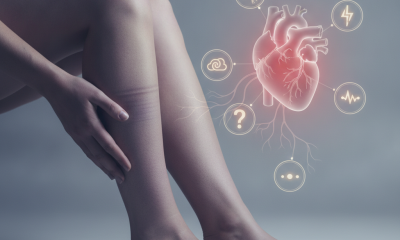
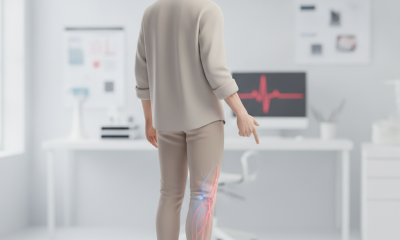
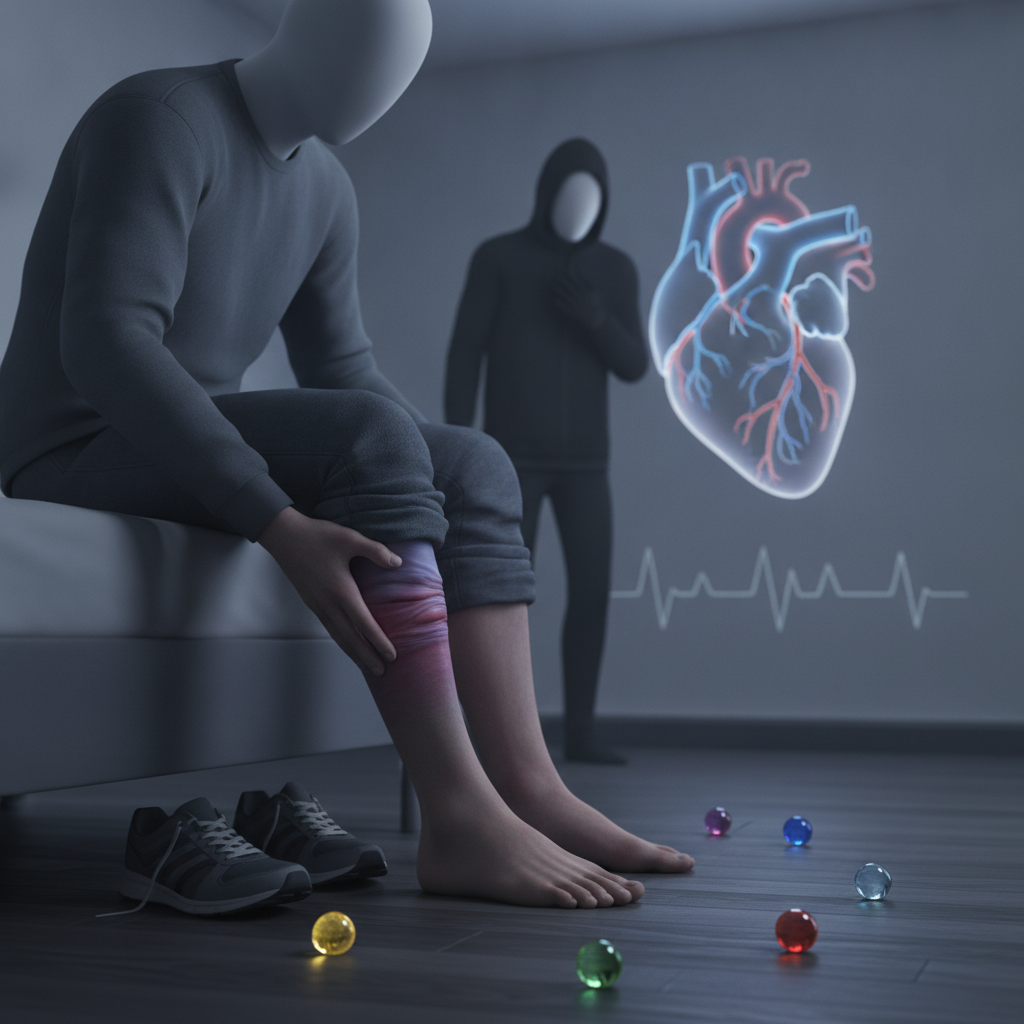
The early warning signs of heart disease frequently appear in the legs. Blocked arteries restrict arterial blood flow to distant tissues. Symptoms include shin hair loss, cold toes, non-healing sores, and severe walking cramps. Consequently, reduced oxygen supply damages local tissues long before chest discomfort occurs.
Cardiothoracic surgeon Dr. Jeremy London emphasizes that leg changes deserve immediate attention. For example, peripheral artery disease, known as PAD, narrows limb arteries with fatty deposits. Therefore, hair follicles on the shins, feet, and toes may die from diminished circulation. Patients often notice smooth, hairless leg patches without realizing arterial blockage caused the condition.
In addition, arterial restriction causes leg cramping or tightness during light physical activity like walking. Doctors refer to this recurring pain as intermittent claudication. Pain usually subsides after resting for a few minutes. However, ignored claudication indicates advancing vascular disease. Furthermore, poor arterial flow leaves feet feeling perpetually cold or numb. Tiny cuts, blisters, or skin breaks on the toes may fail to heal. Consequently, these minor injuries create persistent wounds.
Why are signs of heart trouble in legs so frequently overlooked? Hidden Signs of Heart Disease
Many individuals dismiss signs of heart trouble in legs as normal aging or muscle strain. Others blame simple fatigue. Chest pain remains the most widely recognized cardiac symptom. Therefore, patients rarely link leg stiffness or skin changes to cardiovascular health. Delayed recognition often allows underlying arterial damage to progress unchecked.
Leg symptoms build gradually over months or years. Consequently, people adapt their routine activities without consulting a physician. They might walk shorter distances or blame uncomfortable leg tightness on joint stiffness. However, arterial plaque affects the entire vascular network. When leg blood vessels suffer damage, coronary arteries feeding the heart muscle face similar risks. Therefore, evaluating lower limb symptoms helps physicians detect widespread circulatory disease early.
Are swollen ankles heart problems or related to other circulation issues?
Swollen ankles linked to heart problems often stem from fluid buildup, known medically as edema. This occurs when a weakened heart cannot pump blood efficiently. Consequently, fluid pools in lower extremities due to gravity. Liver disease, kidney issues, or medications also cause swelling. Still, persistent leg edema requires prompt cardiovascular screening.
When heart function declines, blood backs up in the veins returning to the chest. Increased pressure forces liquid out of blood vessels into surrounding tissues. As a result, socks leave deep ankle indents, and shoes feel tight by evening. Heart failure remains a primary culprit for bilateral leg swelling.
However, medical providers must differentiate cardiac edema from other health conditions. Deep vein thrombosis, chronic venous insufficiency, and renal dysfunction present similar fluid retention. Therefore, clinicians examine cardiac health alongside kidney and liver panels to isolate the root cause.
How do leg symptoms of heart trouble impact daily care and prevention?
Recognizing leg symptoms of heart trouble alters how local clinics screen vulnerable patients. It also guides long-term wellness plans. Early diagnostic tests, like blood pressure checks and ankle-brachial index measurements, provide fast risk assessments.
Primary care physicians and cardiovascular specialists rely on accessible testing to evaluate vascular health. For instance, the ankle-brachial index test compares ankle blood pressure with arm blood pressure. A lower pressure reading in the leg indicates reduced blood flow from arterial narrowing.
For patients and families, recognizing non-chest symptoms changes daily routines. Staying proactive allows individuals to implement heart-healthy lifestyle adjustments early. In addition, addressing erectile dysfunction early offers crucial clinical insight. Damaged blood vessel linings often cause persistent erectile difficulty years before major cardiac events occur.
What background context explains hidden cardiovascular risks?
Unexplained exhaustion and systemic fatigue frequently signal reduced cardiac output before acute heart attacks happen. When heart tissue struggles to pump oxygenated blood, everyday tasks like climbing stairs become exhausting. Therefore, understanding systemic warnings helps patients differentiate routine tiredness from serious circulatory failure.
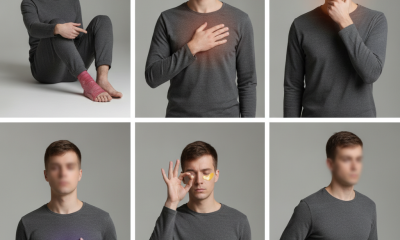
Cardiovascular disease remains the leading cause of death across the nation. Yet, the public misunderstands many warning signals. Dr. London highlights non-traditional symptoms, ranging from leg hair loss to constant fatigue. These signs provide vital clues about internal vascular function.
Persistent fatigue occurs because muscles and organs do not receive adequate oxygen. As a result, patients find simple household chores surprisingly taxing. Meanwhile, arterial walls accumulate fatty plaque quietly over decades. Because early vascular changes develop without acute pain, routine checkups remain essential. Physicians advise patients never to ignore persistent changes in leg temperature, skin appearance, or energy. Prompt medical consultation ensures accurate diagnosis and timely intervention.
This article was produced with the assistance of AI and reviewed by our editorial team.
Sources
Related: Hidden Signs of Heart Disease: What Experts Say About Leg Symptoms and Vascular Health
Related: Cardiologist Warns of Hidden Signs of Heart Trouble and Leg Symptoms
Related: 6 Hidden Signs of Heart Trouble American Adults Should Never Ignore
Related: How to Spot the Hidden Signs of Heart Trouble Before Complications Arise
Related: Cardiologists Warn of 6 Hidden Signs of Heart Trouble That Signal Danger Beyond Chest Pain