Health News
Hidden Signs of Heart Disease: What Experts Say About Leg Symptoms and Vascular Health
6 hidden signs of heart trouble you should never ignore, US-based cardiologist warns: One of them starts in your legs Heart doctor names early leg symptom that means your heart is in trouble High cholesterol symptoms: Six warning signs in…


Last updated:
Key points
- Cardiovascular issues often show early warnings in lower limbs, including hair loss, leg pain, and ankle swelling.
- Peripheral artery disease symptoms signal widespread arterial narrowing that can increase heart attack risks.
- Early diagnostic screenings like ankle-brachial index tests help prevent severe complications and reduce medical costs.
NewsWK — Cardiovascular conditions remain a leading health challenge across American communities today. However, medical experts now warn that major heart issues often display silent indicators. Frequently, these clues appear far from the chest cavity. Therefore, recognizing these hidden signs of heart disease early can save lives. In addition, early detection prevents severe long-term complications.
How Can Cardiovascular Health Affect Unexpected Parts of the Body?
Heart issues frequently manifest in distant body parts. This occurs because the circulatory system relies on proper blood pressure to deliver oxygenated blood. When blood vessels narrow or the heart muscle weakens, peripheral tissues suffer first. Consequently, early signs of heart trouble often appear in the legs, feet, and peripheral blood vessels.
Dr. Jeremy London is a practicing US cardiothoracic surgeon. Recently, he highlighted several early indicators that many patients routinely overlook. Meanwhile, physicians emphasize that the vascular system operates as an interconnected network. Therefore, a circulation bottleneck in the lower limbs usually reflects broader arterial distress elsewhere.
What Are the Key Warning Signs of Heart Disease in Your Lower Body?
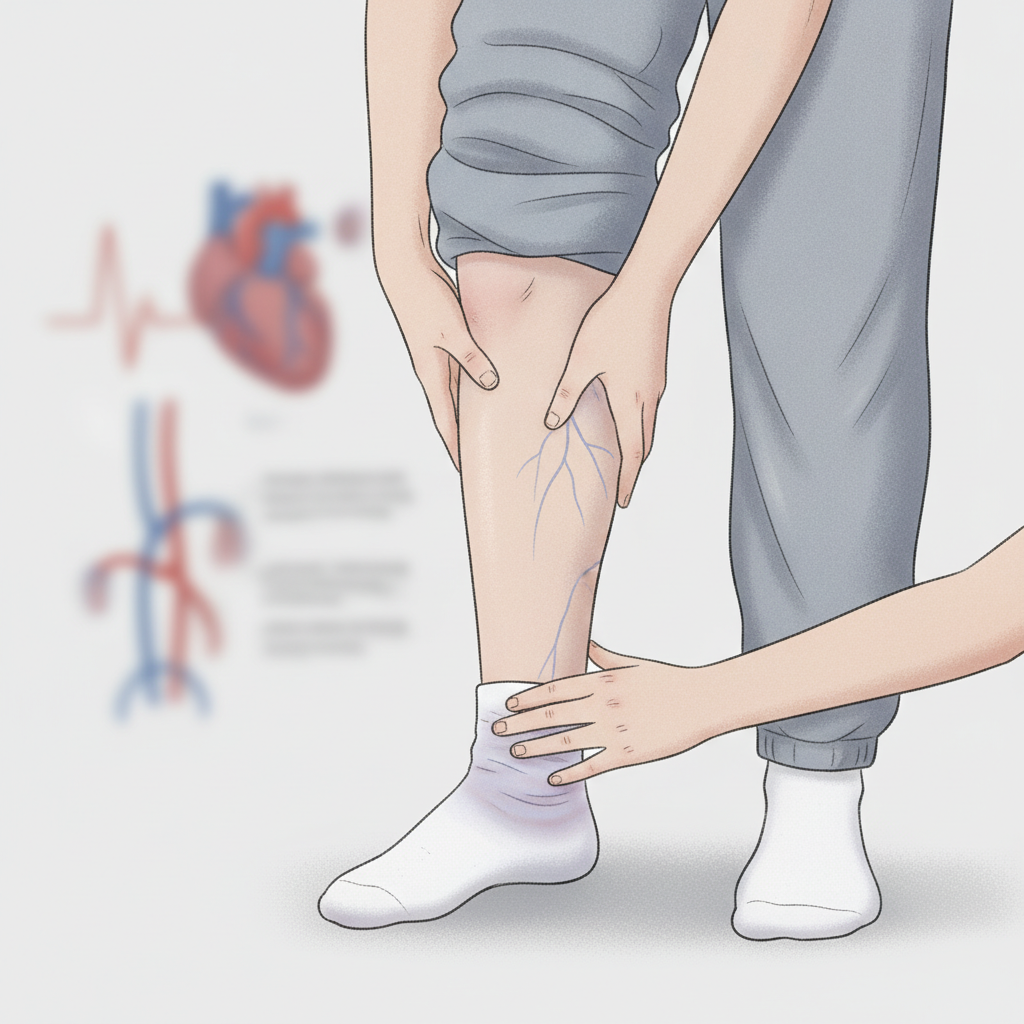
Lower body indicators include shin hair loss, chronic ankle swelling, walking leg cramps, and unhealing foot sores. These symptoms develop because compromised blood vessels cannot supply sufficient oxygen to distant tissues. Ultimately, identifying these warning signs of heart disease helps patients seek timely evaluation before severe cardiovascular events occur.
Specifically, doctors categorize these physical indicators into distinct changes that demand attention:
- Shin and Foot Hair Loss: Deprived hair follicles stop growing when reduced arterial flow starves them of nutrients.
- Persistent Ankle Swelling: Fluid accumulates in lower extremities when a weakened heart cannot pump efficiently.
- Unexplained Leg Cramps: Muscle pain during physical activity often signals narrowed peripheral arteries.
- Cold Feet and Slow-Healing Wounds: Poor blood circulation prevents proper tissue repair and temperature regulation.
Furthermore, vascular damage affects other crucial body systems. For instance, ongoing erectile dysfunction often serves as an early vascular alert. Tiny blood vessels in the reproductive system frequently show damage first. Often, this occurs before larger coronary arteries block completely. Consequently, the American College of Cardiology recognizes this connection as a major clinical warning sign. In addition, persistent fatigue without obvious exertion can indicate declining heart function.
Why Do Leg Symptoms of Heart Disease Signal Peripheral Artery Disease Symptoms? Hidden Signs of Heart Disease
Leg symptoms of heart disease frequently point to peripheral artery disease symptoms. This happens because arterial plaque buildup affects blood vessels throughout the body. When systemic atherosclerosis narrows leg arteries, coronary arteries may face similar blockages. Therefore, localized leg issues serve as a strong barometer for overall heart health.
Unfortunately, patients often mistake heart trouble symptoms in legs for simple muscle strain or normal aging. However, pain that arises during walking and subsides during rest requires prompt medical screening. Clinicians call this condition intermittent claudication. Ultimately, peripheral artery disease symptoms reflect systemic vascular decline. Because of this link, ignoring lower limb discomfort increases the risk of heart attacks and strokes.
How Do These Vascular Symptoms Impact Everyday Life for Families?
Unchecked heart conditions increase emergency room visits and raise out-of-pocket medical costs. They also strain local community healthcare infrastructure. Conversely, early detection preserves personal health freedom, lowers financial stress, and keeps individuals active.
Preventative care plays a crucial role in managing long-term healthcare expenditures. For example, primary care doctors can help when patients identify early symptoms. Next, clinicians initiate lifestyle modifications or medical therapies before high-cost hospitalizations become necessary. Consequently, public health awareness empowers families to take personal responsibility for their well-being.
What Medical Tests Can Confirm Peripheral Artery Disease Symptoms?
Physicians evaluate suspected vascular conditions using non-invasive diagnostic tools. Specifically, these simple clinic tests measure peripheral blood flow and pinpoint arterial blockages. Thus, early testing allows clinicians to establish targeted treatment plans before irreversible tissue damage occurs.
Of course, having a single symptom does not guarantee a severe diagnosis. However, individuals experiencing persistent or unexplained changes should schedule an evaluation. This applies especially to patients with high blood pressure, elevated cholesterol, or diabetes.
This article was produced with the assistance of AI and reviewed by our editorial team.
Sources
Related: Cardiologist Warns of Hidden Signs of Heart Trouble and Leg Symptoms
Related: How to Spot the Critical Signs of Heart Trouble in Legs and Feet