Health News
Cardiologist Warns of Hidden Signs of Heart Disease Appearing in Lower Body
6 hidden signs of heart trouble you should never ignore, US-based cardiologist warns: One of them starts in your legs Heart doctor names early leg symptom that means your heart is in trouble High cholesterol symptoms: Six warning signs in…



Last updated:
Key points
- Cardiovascular issues often present subtle non-chest symptoms, including shin hair loss, calf cramping, and persistent foot swelling.
- Conditions like peripheral artery disease and persistent erectile dysfunction can indicate widespread arterial narrowing throughout the body.
- Medical professionals recommend non-invasive circulation tests, such as ankle-brachial index assessments, when experiencing persistent leg symptoms.
NewsWK — Cardiovascular disease remains a leading health threat across the United States. However, many early hidden signs of heart disease do not involve chest pain. Instead, vascular problems frequently show up in the lower legs, feet, or reproductive system. These symptoms often appear long before a major cardiac event occurs.
What Are the Unexpected Warning Signs of Heart Trouble in Lower Body?
Cardiovascular disease often affects distal blood vessels first. According to medical experts, subtle symptoms like lower leg hair loss and leg cramping frequently indicate vascular restrictions. Furthermore, these signs often appear long before severe chest pain develops. Therefore, identifying physical changes early can save lives.
Physicians emphasize that blood circulates through thousands of miles of vessels throughout the human body. Consequently, any restriction in peripheral arteries directly reflects overall cardiovascular health.
How Do Leg Symptoms of Heart Disease Signal Poor Blood Circulation?
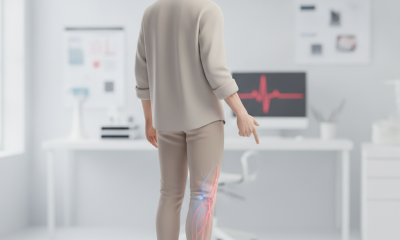
Reduced blood flow starves lower body tissues of oxygen and nutrients. When narrow arteries restrict circulation, hair follicles weaken and skin turns pale. Additionally, foot wounds fail to heal properly. This provides a clear visual warning of vascular trouble. Thus, patients should never ignore these subtle leg changes.
For example, sudden hair loss on the shins, toes, or feet can signal poor arterial blood flow. In addition, health experts urge people to watch for six distinct warning signs:
- Shin hair loss: Bald patches on the front of the legs indicate oxygen-starved hair follicles.
- Leg cramping: Calf pain during walking that resolves with rest points to clogged arteries.
- Ankle swelling: Fluid accumulation in the lower legs signals diminished heart pumping strength.
- Cold feet and numb toes: Reduced circulation leaves feet unusually cold or numb to touch.
- Non-healing sores: Stubborn skin ulcers on feet fail to heal due to poor blood flow.
- Unexplained fatigue: Persistent exhaustion leaves individuals unable to perform basic daily activities.
How Can Peripheral Artery Disease Symptoms Indicate Broader Vascular Damage?
Peripheral artery disease restricts blood flow in lower limbs, mirroring blockages in coronary arteries. Because vascular damage affects the entire body simultaneously, leg cramping during light exercise often points to widespread arterial disease. Similarly, non-healing sores require prompt medical testing. Early diagnosis ultimately protects long-term arterial function.
Cardiothoracic surgeon Dr. Jeremy London recently highlighted these critical connections. Specifically, Dr Jeremy London heart signs focus on how systemic arterial narrowing manifests throughout the body. He noted that persistent erectile dysfunction often serves as an early indicator of small artery damage. In fact, the American College of Cardiology recognizes this condition as a key warning sign for underlying coronary artery disease.
Furthermore, leg cramping during simple walking exercises is known as intermittent claudication. Doctors frequently misdiagnose this issue as routine muscle strain or arthritis. However, when arterial walls build up plaque, blood flow drops significantly during physical activity. Consequently, muscles suffer from a lack of oxygen. Pain then subsides after resting.
How Do These Health Symptoms Impact Local Community Wellness and Daily Living?
Recognizing early symptoms allows individuals to seek routine care before life-threatening cardiac events occur. This proactive step reduces sudden hospital admissions and keeps community members active. Preventative health checks remain key to long-term vitality.
Moreover, local residents who notice these changes should seek timely medical evaluations from primary care physicians or cardiologists. Simple, non-invasive diagnostic tests can measure circulation accurately. For instance, doctors routinely perform an ankle-brachial index test. This exam compares blood pressure in the ankles against blood pressure in the arms.
In addition, routine blood pressure checks and vascular screenings help doctors detect blockages early. This prevents a sudden heart attack. Ultimately, families benefit when individuals manage risk factors proactively through a healthy diet, structured exercise, and regular medical supervision.
What Medical Context Explains the Link Between Swelling and Heart Failure?
Fluid retention occurs when a weakened heart cannot pump blood efficiently through the venous system. Medical authorities note that fluid backs up into lower extremities, causing persistent edema in ankles and feet. Patients also experience chronic fatigue and shortness of breath during routine daily activities. Proper diagnosis helps differentiate heart issues from kidney conditions.
When the heart muscle loses its ability to pump effectively, fluid collects in lower body tissues. However, leg swelling can also result from kidney disease, venous insufficiency, blood clots, or certain prescription medications.
Therefore, medical professionals urge patients not to panic. Having one symptom does not guarantee a heart disease diagnosis. Still, individuals may experience new, persistent, or unexplained leg symptoms. In those cases, scheduling a comprehensive medical assessment remains the safest course of action.
This article was produced with the assistance of AI and reviewed by our editorial team.
Sources
Related: Cardiologist Warns of Hidden Signs of Heart Trouble and Leg Symptoms
Related: Hidden Signs of Heart Disease: What Experts Say About Leg Symptoms and Vascular Health