Health News
What Are the Hidden Signs of Heart Trouble You Should Never Ignore?
6 hidden signs of heart trouble you should never ignore, US-based cardiologist warns: One of them starts in your legs Heart doctor names early leg symptom that means your heart is in trouble High cholesterol symptoms: Six warning signs in…


Last updated:
Key points
- Subtle signs outside the chest, such as leg hair loss and cold feet, can indicate reduced blood circulation from peripheral artery disease.
- Persistent swelling in ankles and feet often points to fluid retention caused by declining heart function.
- Early circulation screenings and blood pressure tests help prevent costly emergency cardiac events.
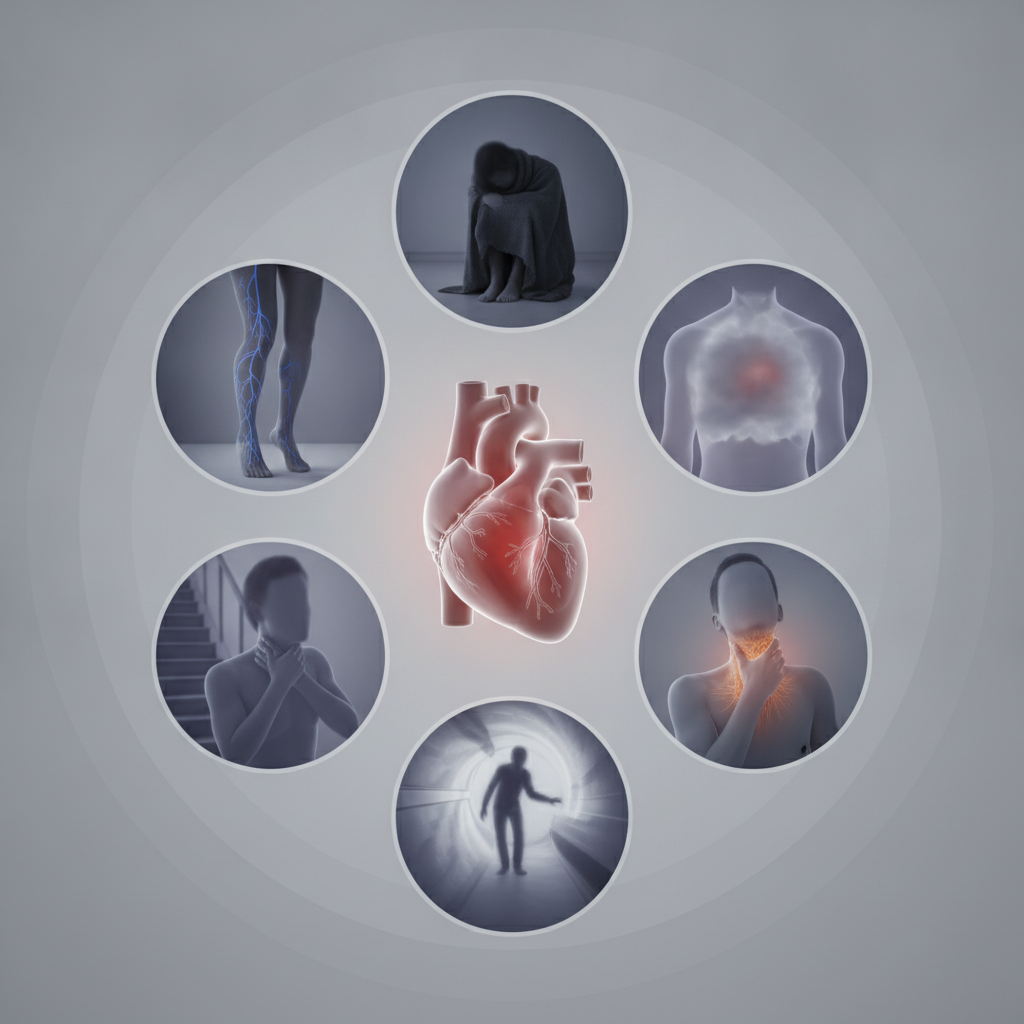
NewsWK — Cardiovascular health remains a major priority for millions of Americans seeking to prevent severe cardiac events. Many people expect heart issues to trigger sudden chest pain or acute pressure. However, important warning indicators often surface quietly in other body areas. Dr. Jeremy London, a prominent cardiothoracic surgeon, highlighted six early indicators. These warning signs warrant immediate medical attention.
What are the main hidden signs of heart trouble outside the chest?
Cardiovascular disease often manifests through subtle physical changes long before a major heart event occurs. Poor arterial circulation affects remote body parts like the legs, feet, and reproductive organs. Identifying these faint signals early helps physicians diagnose arterial blockages or heart failure. Consequently, doctors can intervene before irreversible damage takes place.
Many individuals overlook early warning signals because these symptoms do not cause immediate severe pain. For example, reduced blood flow to small blood vessels can impair tissue health throughout the body. Furthermore, blood vessel linings frequently suffer damage from high cholesterol or elevated blood pressure over several years. Therefore, recognizing early signs of heart disease helps patients seek preventive diagnostic tests promptly.
What are the warning signs of heart disease in legs?
Leg symptoms frequently signal reduced blood flow caused by arterial narrowing or impaired heart pumping. Key warning signs include loss of leg hair, persistent calf cramping while walking, cold feet, and slow-healing sores. Ultimately, these physical changes indicate that oxygenated blood is not reaching lower extremity tissues efficiently.
Hair loss on the shins, feet, or toes serves as an unexpected early red flag. When blood vessels narrow, hair follicles lose essential nutrients and oxygen. Consequently, hair growth slows or stops completely. Data from the Centers for Disease Control and Prevention confirms this link. Specifically, leg hair loss can indicate reduced systemic circulation.
What signs of peripheral artery disease appear first?
Peripheral artery disease typically begins with intermittent calf cramping during routine walking or exercise. Doctors call this pain intermittent claudication, and it subsides quickly when a person rests. However, arterial narrowing can progress further. Patients may then experience cold feet, pale skin, numb toes, or stubborn skin ulcers that refuse to heal.
Physical activity increases oxygen demand in leg muscles. When narrowed arteries cannot deliver adequate blood, severe cramping occurs. Rest lowers muscle oxygen demand, so the pain fades temporarily. Still, ignoring this cycle allows peripheral artery disease to advance. Fortunately, doctors can perform an ankle-brachial index test to compare blood pressure in the arms and ankles. This simple diagnostic check measures circulation quality accurately.
Patients should watch for these key lower body indicators:
- Bald patches on the shins or feet
- Muscle pain in the calves during light walking
- Cold or numb toes that feel chilly to the touch
- Slow-healing sores or ulcers on the lower extremities
How do swollen ankles heart failure symptoms alert doctors to heart weakness?
Swollen ankles heart failure symptoms develop when a weakened cardiac muscle cannot pump blood efficiently through the venous system. As a result, blood backs up in the veins. This backup forces excess fluid into surrounding tissues of the lower legs, feet, and ankles. Persistent swelling serves as a primary marker of fluid retention from cardiac decline.
The National Health Service emphasizes that persistent lower leg swelling requires medical evaluation. Kidney problems, blood clots, or certain blood pressure medications also cause swelling. Nevertheless, heart failure remains a primary concern. Additionally, fluid buildup reduces overall cardiac output. This decline leads to unrelenting fatigue. Patients feel exhausted despite receiving adequate sleep because oxygen delivery to vital organs drops significantly. In fact, the American Heart Association notes that struggling with simple tasks like climbing stairs often points to declining cardiac function.
How can persistent erectile dysfunction indicate underlying arterial damage?
Erectile dysfunction often acts as a precursor to serious coronary artery disease. Small arteries supplying the pelvic region experience blood flow restrictions earlier than larger heart arteries. Consequently, persistent vascular erectile dysfunction frequently appears years before traditional cardiac symptoms like chest pain or shortness of breath emerge.
The American College of Cardiology reports that vascular health in smaller vessels reflects systemic arterial condition. Endothelial dysfunction damages sensitive blood vessel linings first. Because penile arteries are smaller than coronary arteries, blood flow problems manifest there early. Therefore, medical evaluation for persistent erectile issues should include a thorough cardiovascular screening.
How can recognizing these symptoms lower community health care costs?
Early symptom recognition lowers emergency room visits and reduces costly medical interventions for local families and health systems. Detecting vascular blockages early enables non-invasive treatments, dietary changes, and medication management. Moreover, this proactive approach prevents expensive emergency surgeries. It also protects workforce productivity and keeps health insurance premiums manageable for local employers.
Emergency hospital admissions for cardiac arrest or advanced heart failure place heavy financial burdens on community hospitals and taxpayers. Conversely, non-profit healthcare systems and private clinics benefit when patients seek early screening. On November 23, 2026, medical reports highlighted the urgency of early intervention. Therefore, patients who notice leg pain, swollen ankles, or unexplained fatigue should request blood pressure checks and circulation tests immediately. However, sudden chest pain, severe breathlessness, or fainting require instant emergency medical care.
This article was produced with the assistance of AI and reviewed by our editorial team.
Sources
Related: Hidden Signs of Heart Disease: Why Leg Symptoms and Fatigue Require Medical Attention
Related: Cardiologist Warns of Hidden Signs of Heart Trouble and Leg Symptoms
Related: Hidden Signs of Heart Disease: What Experts Warn You Should Never Ignore