Health News
Newborn Hepatitis B Vaccine Drop Signals Shift in Infant Care Trends
‘Shocking’ drop in hep B vaccination, including babies with infected mothers Opinion | It’s not just measles. RFK Jr.’s vaccine policies could bring back another disease. The number of babies getting vaccinated for hepatitis B at birth is dropping precipitously …


Last updated:
Key points
- Newborn hepatitis B vaccination rates within 24 hours of birth dropped from roughly 80% in 2022 to 65.6% by June 2026.
- Immunization rates among infants born to hepatitis B-positive mothers also decreased to 93.9% in early 2026.
- Policy shifts toward individualized healthcare decision-making followed the initial decline that began in mid-2023.
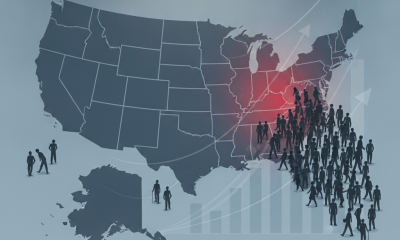
NewsWK — New medical data shows a significant shift in hospital nurseries across the United States. Specifically, fewer parents are choosing to vaccinate their newborns against hepatitis B immediately after birth. Recent findings published on November 24, 2026, in NEJM Evidence highlight this change. Birth-dose immunization rates dropped to record lows by mid-2026. Ultimately, this trend highlights growing debates over routine infant medical care, maternal testing, and parental choice.
Why are US newborn hepatitis B vaccination rates falling?
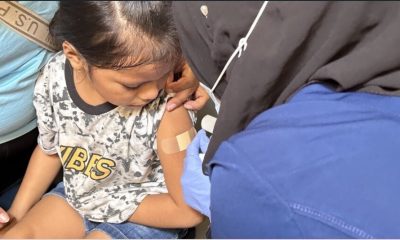
Recent data reveals a steady reduction in immediate postnatal immunizations across American hospitals. Between 2020 and 2022, nearly 80% of infants received the shot within 24 hours of birth. However, overall US newborn hepatitis B vaccination rates began dropping in mid-2023. By June 2026, the rate fell to 65.6%.
Researchers from Truveta, a healthcare data firm in Bellevue, Washington, examined electronic health records. In total, they reviewed data for more than 1.3 million infants. The dataset covered births from January 2018 through June 2026. Consequently, the findings showed a downward trend across multiple demographic groups and geographic regions.
Furthermore, the decline extended to infants facing the highest exposure risks. Historically, infants born to mothers with confirmed hepatitis B infections received immediate vaccination. From 2018 through 2025, between 97% and 98% of these high-risk newborns received the birth dose. However, during the first six months of 2026, that rate fell to 93.9%.
What does the hepatitis B birth dose decline mean for families and doctors?
The hepatitis B birth dose decline presents distinct challenges for healthcare providers and new parents. Previously, universal administration offered a standardized safeguard. Now, doctors spend more time discussing individual risk profiles with families. Meanwhile, public health experts warn that missed doses leave some newborns vulnerable to severe long-term liver complications.
Hepatitis B is an incurable viral infection transmitted through blood and bodily fluids. When infants contract the virus during delivery, they face severe risks. Specifically, they have a 90% chance of developing a chronic infection. Over time, chronic infection can cause cirrhosis, liver cancer, and premature death.
Lead author Nina Masters called the nearly 15-percentage-point drop “shocking” and a “real preventable tragedy.” Because symptoms often take decades to appear, pediatricians emphasize that early protection remains critical.
Dr. Richard Besser, president of the Robert Wood Johnson Foundation, also weighed in. He noted that the drop represents a “silent” threat. Unlike sudden viral outbreaks, harm from hepatitis B takes years to surface. Therefore, damage may not become visible until infected infants grow into adults.
How do screening gaps affect infant hepatitis B vaccination rates?
Prenatal screening identifies most maternal infections, but gaps still remain in patient records. Approximately 10% of pregnant women lack recorded screening results at delivery. Consequently, unmonitored cases lower infant hepatitis B vaccination rates among vulnerable babies. As a result, mothers with undetected infections deliver an estimated 640 infants annually.
Still, maternal testing rates have actually improved over the past decade. The proportion of untested pregnancies dropped from over 15% in 2018 to under 8% in 2026. Overall, nearly 91% of pregnancies in the study included an official hepatitis B test.
Among women tested during pregnancy, 0.18% tested positive for the virus. However, incomplete record-keeping leaves thousands of births unmonitored each year. The U.S. sees approximately 3.6 million annual births. Out of that total, mothers without documented prenatal screening deliver roughly 360,000 infants.
Key findings from the Truveta study include:
- Overall birth-dose coverage: Decreased from 80% in 2022 to 65.6% by June 2026.
- High-risk infant coverage: Dropped from 98% to 93.9% during early 2026.
- Undetected maternal cases: Exposes more than 640 newborns to unmonitored viral risk annually.
What policy shifts preceded the newborn hepatitis B vaccine drop?
Federal policy changes followed the initial downward trend in newborn immunizations. The decline began in 2023, well before official policy shifts occurred. Then, in late 2025, federal advisory panels shifted from universal recommendations to shared clinical decision-making. Consequently, the new guidelines encouraged individualized discussions between parents and physicians.
For decades, medical guidelines recommended universal birth-dose vaccination. The federal government first established that policy in 1991 to prevent mother-to-child transmission. public discourse regarding childhood vaccination and vaccine skepticism
In June 2025, Department of Health and Human Services Secretary Robert F. Kennedy Jr. took action. He replaced all 17 members of the CDC’s Advisory Committee on Immunization Practices. Subsequently, on December 5, 2025, the newly appointed committee voted to change the policy. They ended universal hepatitis B birth-dose recommendations for infants of mothers who test negative.
Instead, the committee advised shared decision-making between parents and healthcare providers. Next, in January 2026, federal officials announced a broader reduction in recommended childhood routine vaccines. This change cut the total from 17 to 11. However, in March 2026, a federal judge issued an injunction blocking those schedule changes.
Importantly, the drop in vaccination rates began in mid-2023. Therefore, researchers note that shifting public attitudes preceded official federal policy changes. Today, medical providers navigate a changing landscape where parents evaluate healthcare decisions individually.
This article was produced with the assistance of AI and reviewed by our editorial team.
Sources
Related: Newborn Hepatitis B Vaccine Decline: What Parents and Health Care Providers Need to Know
Related: Debate Grows Over RFK Jr Hepatitis B Vaccine Policy and Newborn Health Recommendations