Alaska
US Stroke Rate Projected to Double by 2050 as Economic Costs Surge, New Study Finds
U.S. stroke rate projected to almost double by 2050 Nearly 20 million Americans could be living after a stroke by 2050—unless prevention changes the trend Number of stroke survivors expected to double by 2050, study finds Number of American Adults…


Last updated:
Key points
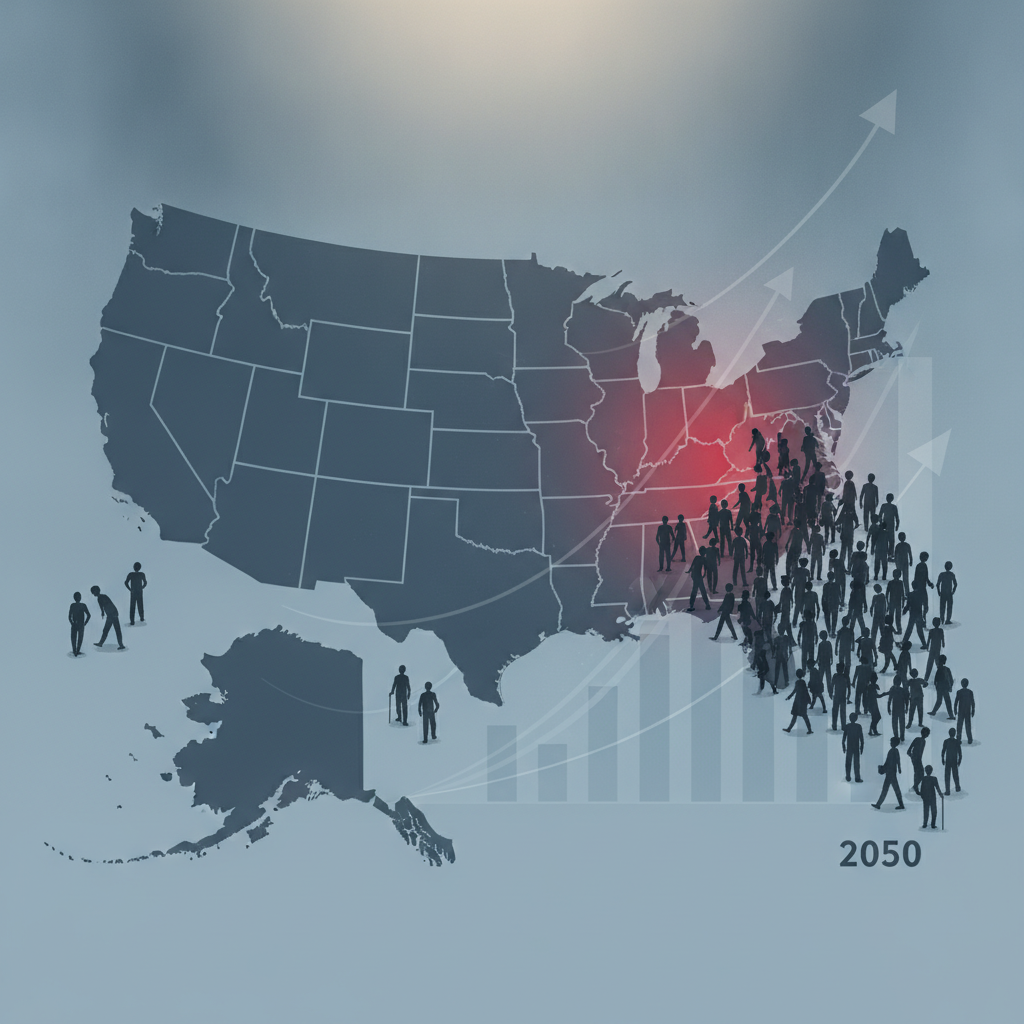
- The American Heart Association projects nearly 20 million U.S. adults will live with post-stroke conditions by 2050, roughly double the current count.
- Adults aged 20 to 44 face the steepest relative growth in stroke rates, driven by early-onset hypertension, diabetes, and obesity.
- The annual U.S. economic burden of stroke care is forecasted to surge from $65 billion to nearly $423 billion by 2050.
NewsWK — Nearly 20 million American adults could live with long-term stroke effects by mid-century. Fresh scientific findings signal a dramatic rise in cardiovascular events nationwide. Consequently, health officials and community leaders face unprecedented demands on medical infrastructure and caregiving resources.
How Will the US Stroke Rate Projected to Double by 2050 Affect Healthcare Systems and Families?
Doubling stroke cases will place massive financial strains on hospitals and care facilities. Family caregivers across the country will also face heavy operational burdens. As millions more Americans survive strokes, communities must prepare for long-term rehabilitation needs. Furthermore, lost workplace productivity will impact local economies nationwide.
Research in the journal Stroke shows US stroke survivors will roughly double over coming decades. Moreover, this US stroke prevalence study indicates that stroke burden will grow faster than other cardiovascular conditions. For instance, stroke rates are rising faster than coronary artery disease, heart failure, and atrial fibrillation.
Demographic trends show clear shifts across various age groups and backgrounds. Meanwhile, medical advancements have successfully reduced immediate post-stroke mortality rates. Federal data from the Centers for Disease Control and Prevention confirms a notable decline. Specifically, the age-adjusted stroke death rate dropped from 81.4 per 100,000 in 2000 to 51.9 in 2024. However, surviving a stroke often leads to long-term physical and cognitive challenges. Consequently, patients frequently face chronic difficulties with mobility, vision, memory, swallowing, and speech.
Gender patterns will also shift over the coming decades. Specifically, researchers forecast that women will comprise the majority of stroke survivors by mid-century. About 10.4 million women and 9 million men will live with post-stroke conditions by 2050. Additionally, Black, American Indian, Alaska Native, and multiracial adults will likely maintain the highest stroke prevalence rates.
Why Are Stroke Rates in Young Adults Increasing So Rapidly?
Rising stroke rates in young adults stem largely from chronic metabolic conditions. High blood pressure, diabetes, and obesity now appear earlier in life. Additionally, lifestyle factors and delayed preventive care contribute to this troubling trend. Consequently, younger Americans face severe cardiovascular threats much earlier than previous generations.
Data from the American Heart Association stroke projections highlight a sharp increase among adults aged 20 to 44. In fact, this age bracket faces the steepest relative increase in post-stroke living compared to older demographics. Furthermore, racial and ethnic breakdowns reveal particularly stark surges among younger populations.
For example, young Hispanic adults living after a stroke will likely climb by over 400 percent. Similarly, the projection for young Asian adults reflects an increase exceeding 600 percent. Medical experts emphasize that unmanaged hypertension and Metabolic Disorders Drive these early-onset medical events. Therefore, early routine health screenings remain vital for younger workers and parents.
What Drives the Massive Stroke Economic Burden 2050 Forecasts?
Surging healthcare expenditures and staggering Workplace Productivity Losses Drive the skyrocketing economic impact of stroke care. As younger workers suffer strokes during prime earning years, lifetime earning potential drops significantly. Consequently, private health insurers and federal safety-net programs face severe long-term financial pressure.
Researchers calculate that annual national stroke care costs will jump from $65 billion today. By 2050, these annual costs will reach nearly $423 billion. This overall figure includes direct medical treatments, ongoing rehabilitation, and lost workplace earnings. Meanwhile, the projected per-person medical cost will nearly triple over the next quarter-century.
Financial impacts vary widely across different age brackets:
- Young Adults (Ages 20–44): Annual treatment and disability costs will jump tenfold, rising from $7.9 billion to $84.4 billion.
- Working-Age Adults (Ages 45–64): This group will absorb the largest overall financial impact, reaching approximately $142 billion annually.
- Seniors (Ages 65+): Increased survival rates will require expanding specialized nursing and home health resources.
Working-age individuals generate significant economic output. Because of this, severe medical events create compounding losses for local employers and tax bases. Therefore, managing chronic conditions early serves both public health and fiscal stability.
How Can Americans Recognize and Prevent Strokes Early?
Americans can significantly lower their stroke risk through proactive lifestyle choices and regular blood pressure monitoring. Furthermore, recognizing early warning signs allows emergency responders to provide swift medical care. Prompt intervention dramatically improves recovery outcomes and cuts long-term disability rates.
Boston University neurologist Dr. Hugo J. Aparicio led the American Heart Association statement. The report stresses that preventative care can alter these projected trends. First, individuals should schedule routine blood pressure checks and maintain physical activity. Additionally, adopting a Mediterranean-style diet helps control systemic inflammation and vascular stress.
To identify strokes quickly, physicians recommend remembering the B.E.F.A.S.T. acronym:
- B (Balance): Sudden loss of balance or coordination.
- E (Eyes): Sudden vision changes or blurry sight in one or both eyes.
- F (Face): Facial drooping or numbness on one side.
- A (Arms): Arm weakness or numbness, especially on one side of the body.
- S (Speech): Slurred speech or difficulty speaking clearly.
- T (Time): Time to call 911 immediately upon noticing symptoms.
Taking immediate action when symptoms appear saves brain tissue and reduces long-term medical costs. Ultimately, personal wellness decisions and timely medical responses remain the best defense against this growing health challenge.
This article was produced with the assistance of AI and reviewed by our editorial team.
Sources
Related: New UK Sugar Rationing Health Study Shows Decades of Reduced Chronic Disease Risk
Related: Heart Attack and Stroke Early Warning Signs Identified Decades Before Crisis