Colorado
Trump Administration State AI Laws Challenge Advances With FTC Action
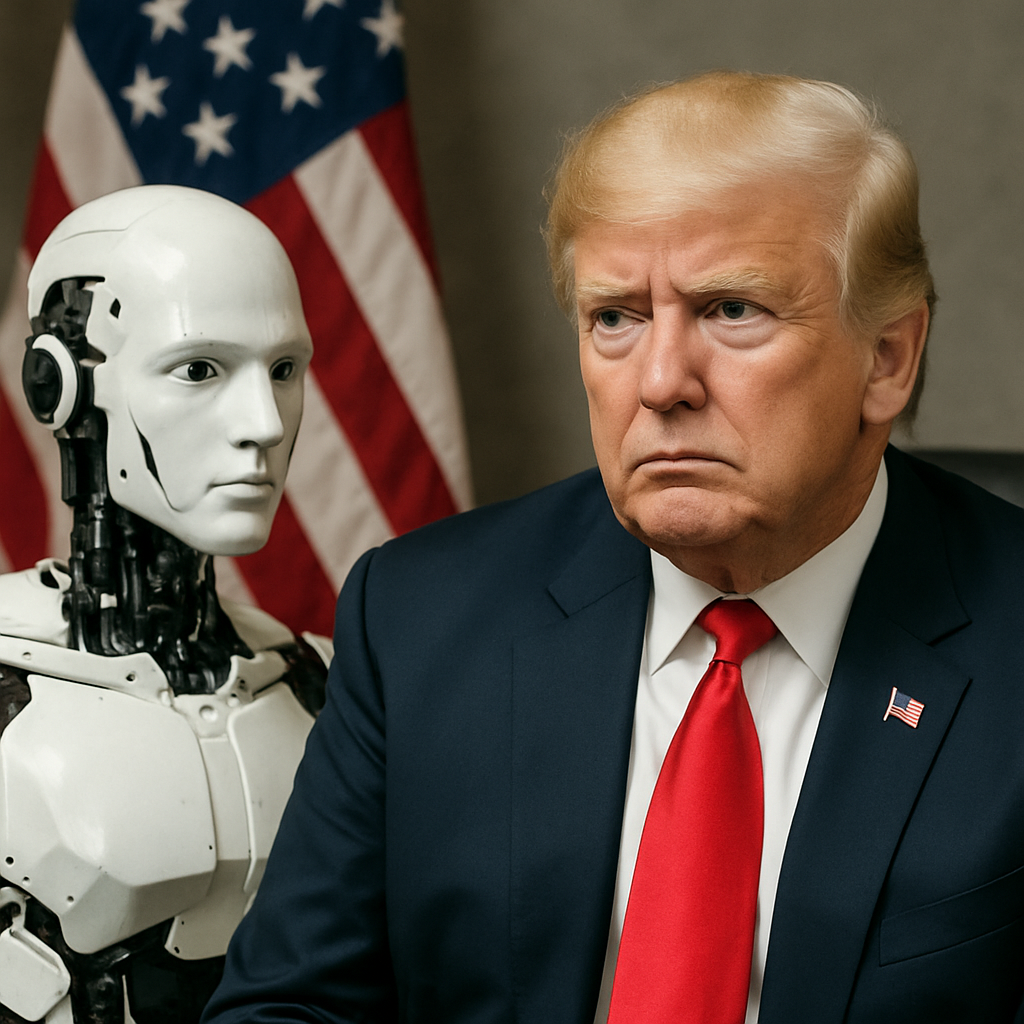
The Trump administration is continuing its pushback against state artificial intelligence laws that it views as ideologically biased, proposing a new Federal Trade Commission policy. The proposed policy statement, which is open for public comment through July 31, would affect…

Last updated:
Key points
- The Trump administration is proposing a new FTC policy to regulate AI companies.
- Concerns have been raised about potential ideological manipulation of AI outputs.
- States are expected to continue pursuing their own AI laws despite federal challenges.
NewsWK — The Trump administration is intensifying its efforts to counter state laws regulating artificial intelligence (AI) that it perceives as ideologically driven. The administration has introduced a proposed policy from the Federal Trade Commission (FTC) that is open for public comment until July 31.
FTC Proposed AI Policy Targets Model Outputs
This initiative aims to prevent AI companies from manipulating their systems for undisclosed ideological purposes, which could mislead consumers and infringe upon federal regulations. FTC Chairman Andrew N. Ferguson emphasized the agency’s interest in gathering feedback from both businesses and consumers regarding potential issues with AI systems being used for ideological motives.
Focus on the Colorado AI Law and Anti-Bias Rules
One specific law mentioned in the proposal is Colorado‘s previous ban on “algorithmic discrimination,” which was designed to prevent AI outputs that could lead to biased decisions in employment, lending, and healthcare based on characteristics like race and gender. However, this provision has been repealed, and the law now focuses on regulating technology impacting significant consumer decisions.
Federal Challenge to State AI Laws and State Responses
In December 2025, President Trump issued an executive order aimed at state AI laws, establishing a Department of Justice AI Litigation Task Force to challenge such regulations. His directive also called for the FTC to develop guidelines regarding state laws that require modifications to the accurate outputs of AI models.
Despite these federal moves, experts suggest that states are likely to continue pushing forward with their own AI regulations. Tyler Thompson, a lawyer in Denver, noted that the FTC’s proposal could lead to legal claims against companies for deceptive practices based on how they manage AI models. He believes this could result in more targeted state policies focusing on issues like deepfakes and children’s safety, areas where there is bipartisan support.
Noah M. Kenney, an AI governance consultant, commented that the proposed statement from the FTC mainly serves as a political signal rather than an enforceable regulation. He raised concerns about potential First Amendment implications regarding the federal government’s attempt to define what constitutes a “neutral” or “accurate” output in AI systems.
Based on reporting by Robbie Sequeira originally published by Stateline. Read the original story.
Related: Democrats aim to emulate Republicans in building state power
Related: Sanctuary Policies Block Federal Jail Transfers as ICE Ramps Up Enforcement Across U.S. Communities
Related: Congress Receives New Legislation Aimed at Local Health Care Protection
Related: Federal Judge Issues Temporary Halt on Postal Service Mail Ballot Verification Rules
Related: Supreme Court Lifts Injunction on Federal Mail-In Ballot Security Standards Ahead of Midterms
Related: Federal Measure Targets Double Taxation on Remote Workers Across the United States
See a typo? Report it here.