South Carolina
Rep. Nancy Mace Introduces PURGE Act Microplastics Bill to Target Water Pollutants
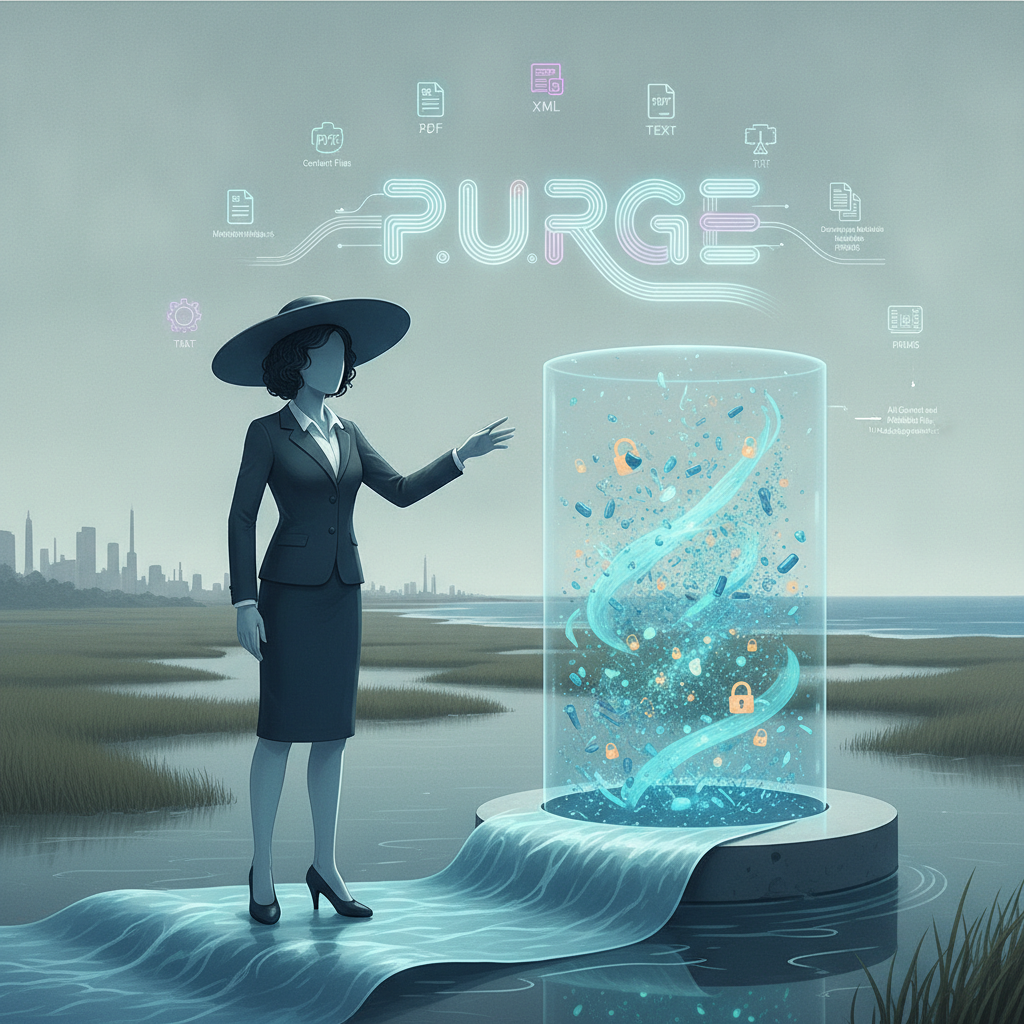
Content Files PDF XML TEXT Metadata download Descriptive Metadata (MODS) Preservation Metadata (PREMIS) All Content and Metadata files, including granules ZIP

Last updated:
Key points
- Rep. Nancy Mace introduced H.R. 10957 to address microplastic contamination in U.S. waters.
- The PURGE Act directs the EPA to study cleanup strategies and launch a pilot evaluation program.
- House leaders referred the bill to three committees on November 5, 2026.
NewsWK — Representative Nancy Mace introduced new federal legislation during the second session of the 119th Congress to address tiny plastic contaminants in American waterways. Representing South Carolina‘s first congressional district, the Republican lawmaker authored the measure to evaluate practical cleanup methods across the nation. Specifically, the proposed legislation, commonly known by its acronym as the PURGE Act, targets persistent microplastic and nanoplastic particles. Beyond removing existing contaminants from water systems, the measure seeks to prevent larger plastics from breaking down further into these microscopic pollutants.
What is the Plastics Understanding and Removal through Government Evaluation Act?
Officially titled the Plastics Understanding and Removal through Government Evaluation Act, the bill directs the Administrator of the Environmental Protection Agency to study and report on anti-microplastic strategies. Its full legislative title outlines a federal mandate to examine these approaches and establish a framework for testing them. Under the bill, federal officials must research effective methods to filter and capture existing plastic particles present in water systems. Furthermore, the agency would submit formal reports detailing its findings and potential removal solutions to Congress for further review.
How will an EPA microplastics pilot program test solutions?
To evaluate these emerging technologies, the proposed law establishes a dedicated pilot program within the Environmental Protection Agency. This initiative is designed to demonstrate and evaluate anti-microplastic strategies under real-world conditions. Through this program, researchers and federal officials can test various filtration and capture methods directly. Consequently, lawmakers and regulators can assess which removal systems provide measurable results in tackling both microplastics and nanoplastics before considering broader federal implementation.
Where does the HR 10957 microplastics bill stand in Congress?
Introduced in the House of Representatives as H.R. 10957 on November 5, 2026, the proposal is in the early stages of the legislative process. On the same day it was introduced, House leaders referred the measure to three separate congressional committees. That referral remains the last official action recorded for the legislation. The bill currently sits in committee for detailed review and panel discussion, and it has not yet been scheduled for floor action, passed any chamber, or become law.
The three congressional panels responsible for reviewing H.R. 10957 include:
- House Committee on Energy and Commerce
- House Committee on Transportation and Infrastructure
- House Committee on Science, Space, and Technology
This article was produced with the assistance of AI and reviewed by our editorial team.
Sources
Related: Rep. Nancy Mace Introduces Clothing Microplastic Transparency Act to Expose Synthetic Fibers
See a typo? Report it here.