Local Business
US Tariffs on China: Trump Administration Prepares New Import Duties Across 16 Economies
Exclusive | U.S. Prepares to Raise Tariffs on China and Other Countries Next Batch of Trump Tariffs Are Coming Soon as G-20 Looms BREAKING: US threatens to spark Trade War 2.0 🚩 Wall Street reacts US Prepares Broad Tariff Hikes…


Last updated:
Key points
- The Trump administration plans to raise tariffs on China and 15 other foreign economies following a USTR subsidy investigation.
- China faces the highest duty increases, while trade partners like Japan and the EU may see rates capped around 15%.
- The new measures exclude steel, aluminum, and auto imports, which remain covered under separate national security trade rules.
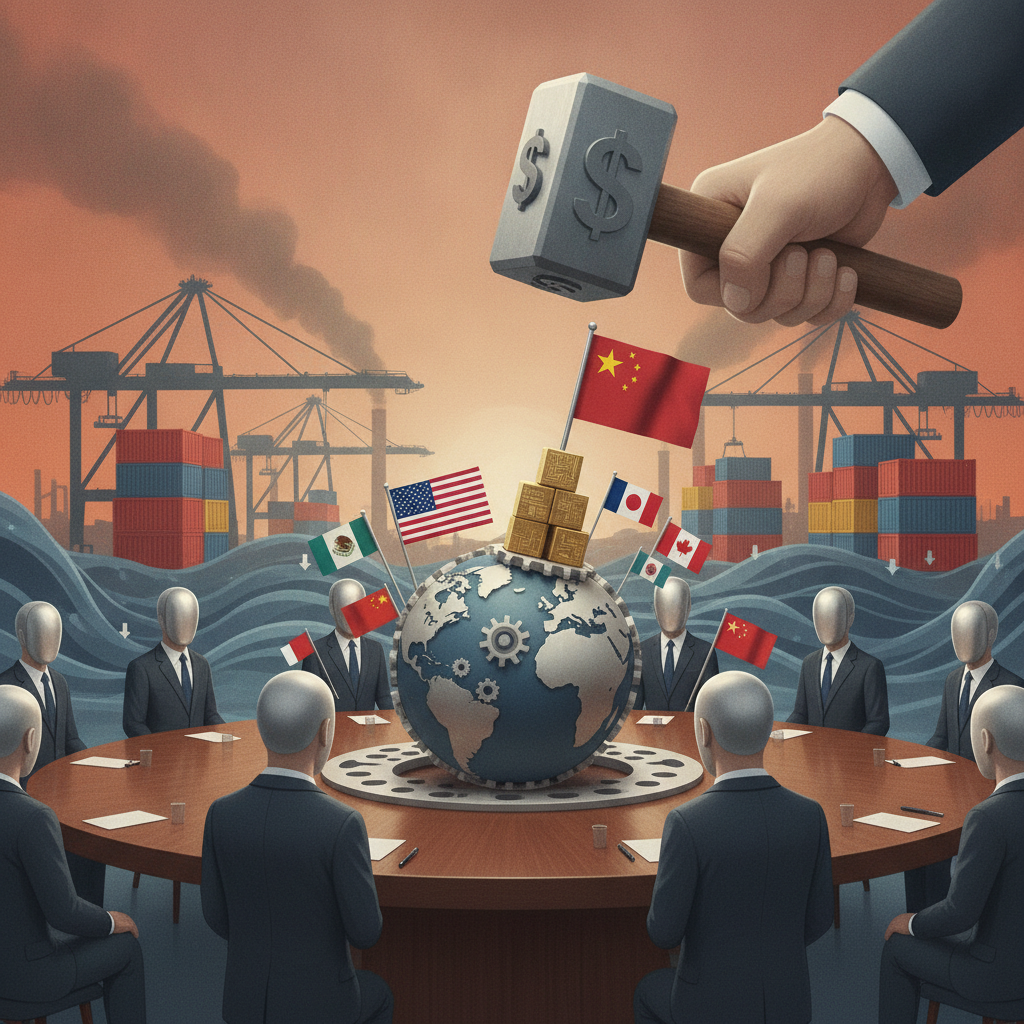
NewsWK — The Trump administration is preparing new US tariffs on China and 15 other foreign economies. Next, U.S. Trade Representative Jamieson Greer will unveil the results of a monthslong inquiry into foreign industrial subsidies.
What Is the Goal of the New USTR Tariff Investigation?
The USTR tariff investigation aims to protect American manufacturers from unfair trade practices. Also, federal officials argue that foreign governments supply heavy subsidies to domestic companies. Because of these subsidies, global markets
How Will Jamieson Greer Tariffs Affect Targeted Nations? US Tariffs on China
Jamieson Greer tariffs will apply different tax rates based on existing trade agreements. China will face the steepest import tax increases due to extensive government subsidies. However, nations with existing U.S. trade deals, like Japan and the European Union, will see rates capped near 15%.
Meanwhile, countries without trade agreements, including India and Vietnam, could face higher duty rates. The proposed trade measures will cover most imported foreign products. Still, officials will exclude steel, aluminum, and automobiles because separate national security duties already cover those items.
What Does US China Trade Policy Mean for American Businesses?
The evolving US China trade policy seeks to shield domestic producers while rebalancing international commerce. Therefore, American manufacturers may gain a competitive edge as foreign products become more costly. Trump administration tariffs continue to expand across multiple trade sectors.
For example, these upcoming measures will complement a July 2026 tariff action targeting forced labor. That July policy set tariffs between 10% and 12.5% for 60 economies. But those previous tariffs Currently Face Active Court challenges. Additionally, federal officials face growing bipartisan scrutiny over alleged Nvidia chip smuggling to China.
This article was produced with the assistance of AI and reviewed by our editorial team.
Sources
Related: How Trump Tariffs Cost of Living Virginia Families and Shape Key Midterm Races
Related: New Tariffs on Canadian Products Impacting Local Markets